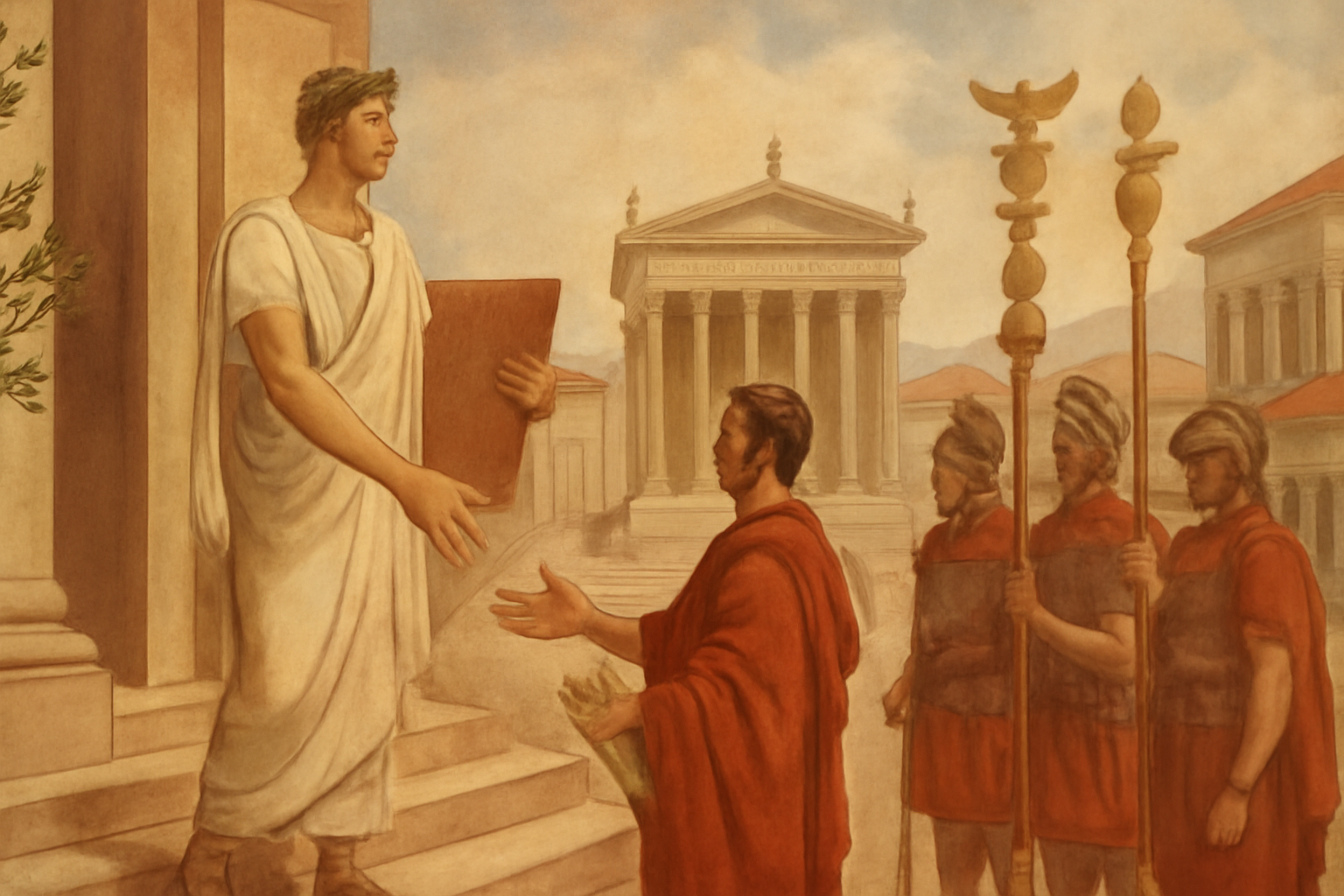
Julius Caesar
Julius Caesar was a Roman commander and politician whose military victories, civil war, and dictatorship pushed the republic toward imperial rule.
Roman generalDictatorAuthor
People Index
People pages connect biographies with events, periods, and timelines so readers can move through the historical network.
Julius Caesar was a Roman commander and politician whose military victories, civil war, and dictatorship pushed the republic toward imperial rule.
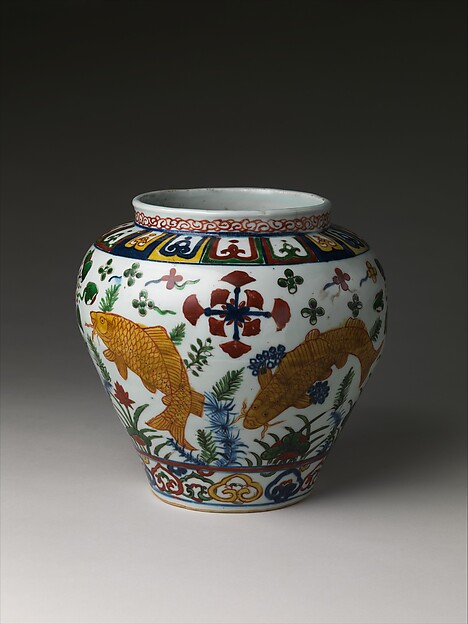
Qin Shi Huang unified the warring states and built a centralized imperial model remembered for administrative force and monumental ambition.
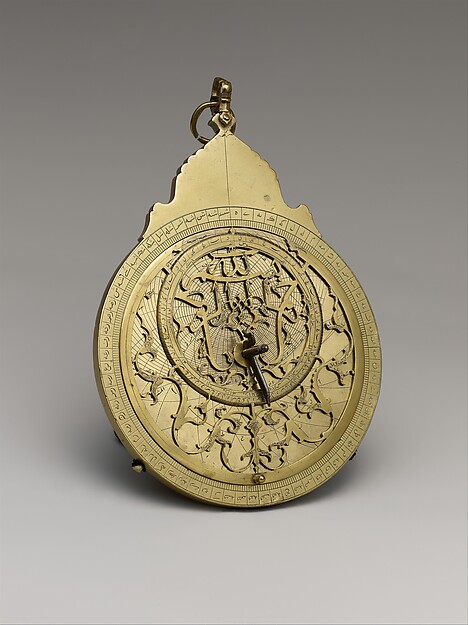
Muhammad's life connects, according to Muslim tradition, the first revelations near Mecca, the Hijra to Medina, and leadership of the early Muslim community in a sequence that reshaped Arabia and world history.
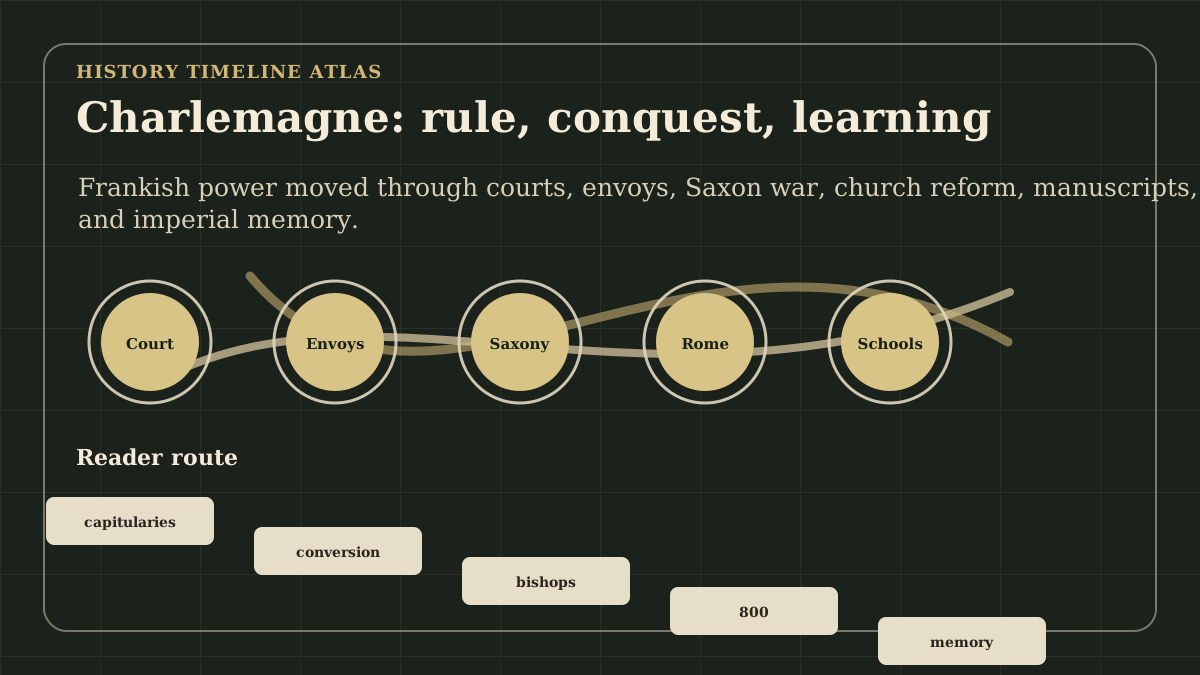
Charlemagne expanded Frankish power and became a model for medieval rulership, Christian kingship, and imperial memory in western Europe.
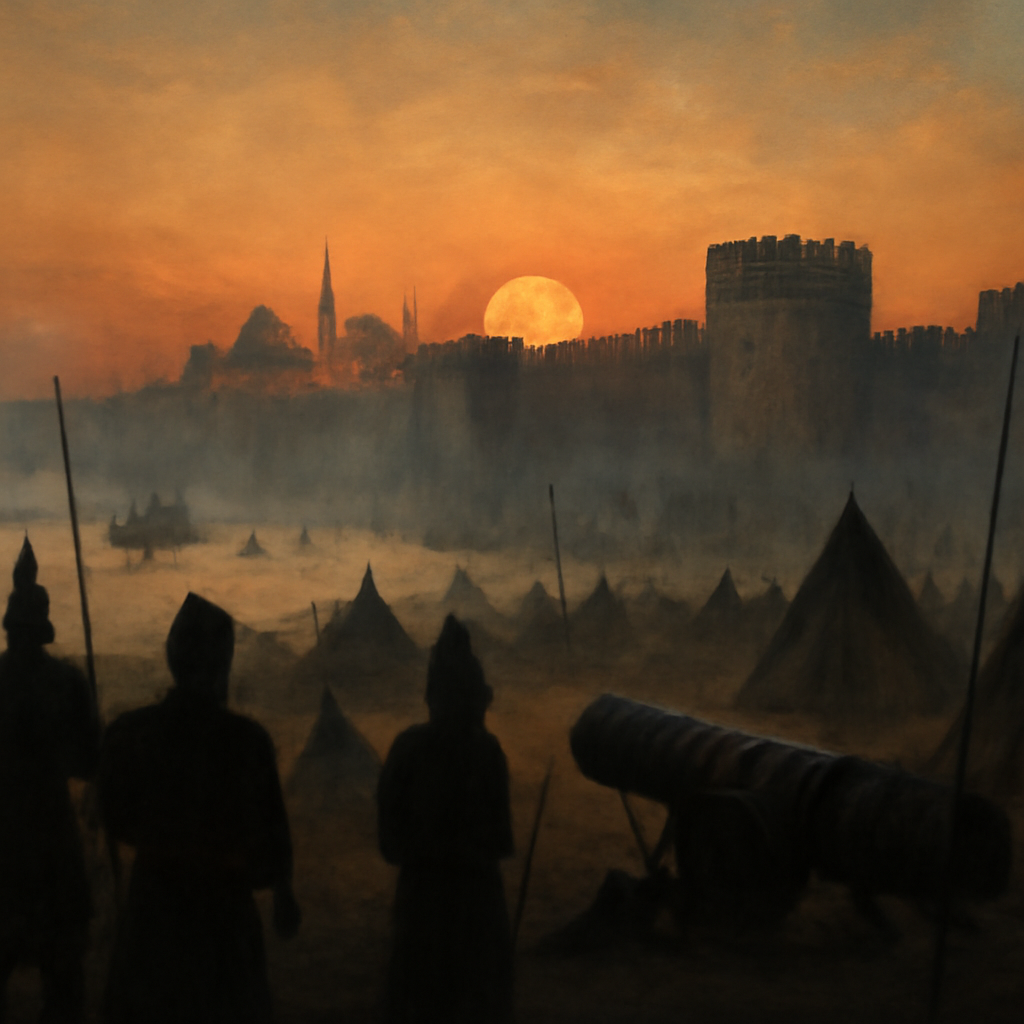
Mehmed II captured Constantinople and used the city as a base for imperial consolidation across the eastern Mediterranean and Balkans.
Napoleon rose from revolutionary France to imperial rule, spreading legal reforms and war across Europe before final defeat at Waterloo.
George Washington led the Continental Army and helped establish the presidency as a republican office bounded by precedent and restraint.
Mao Zedong led the Chinese Communist revolution and became the founding leader of the People's Republic of China.
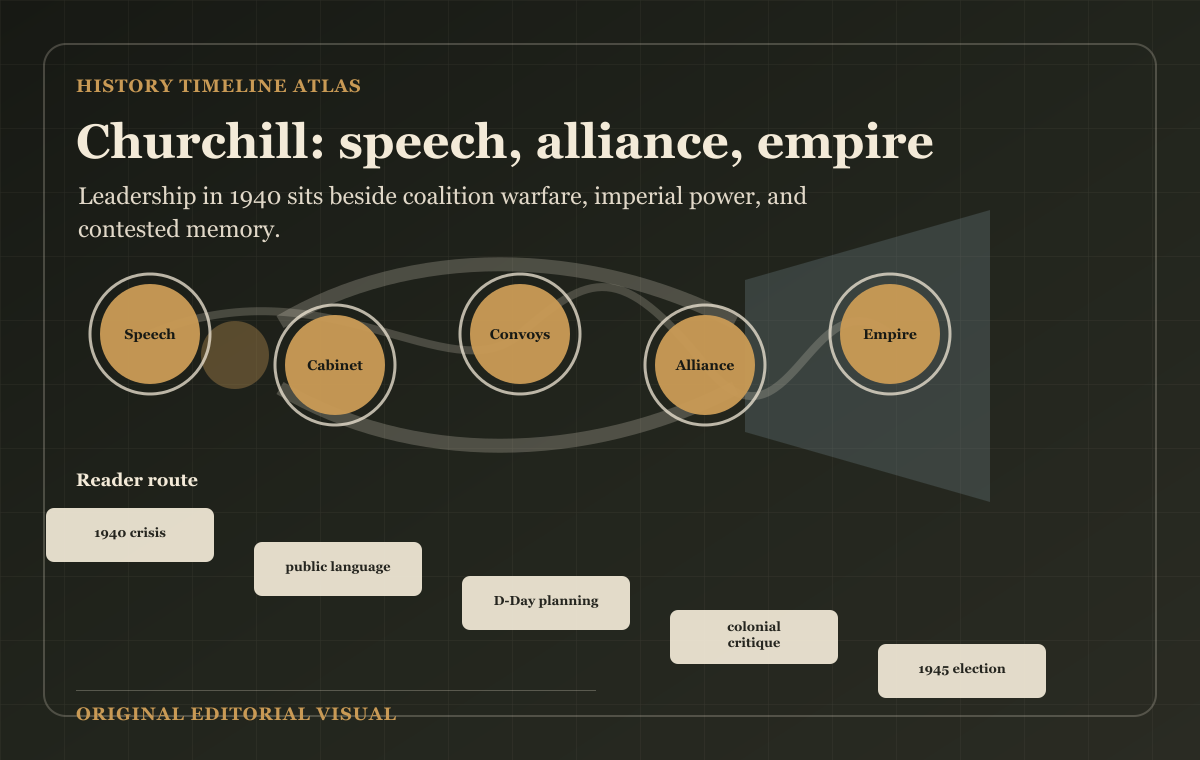
Winston Churchill became Britain's best-known wartime prime minister, remembered for leadership, rhetoric, and controversy over empire.
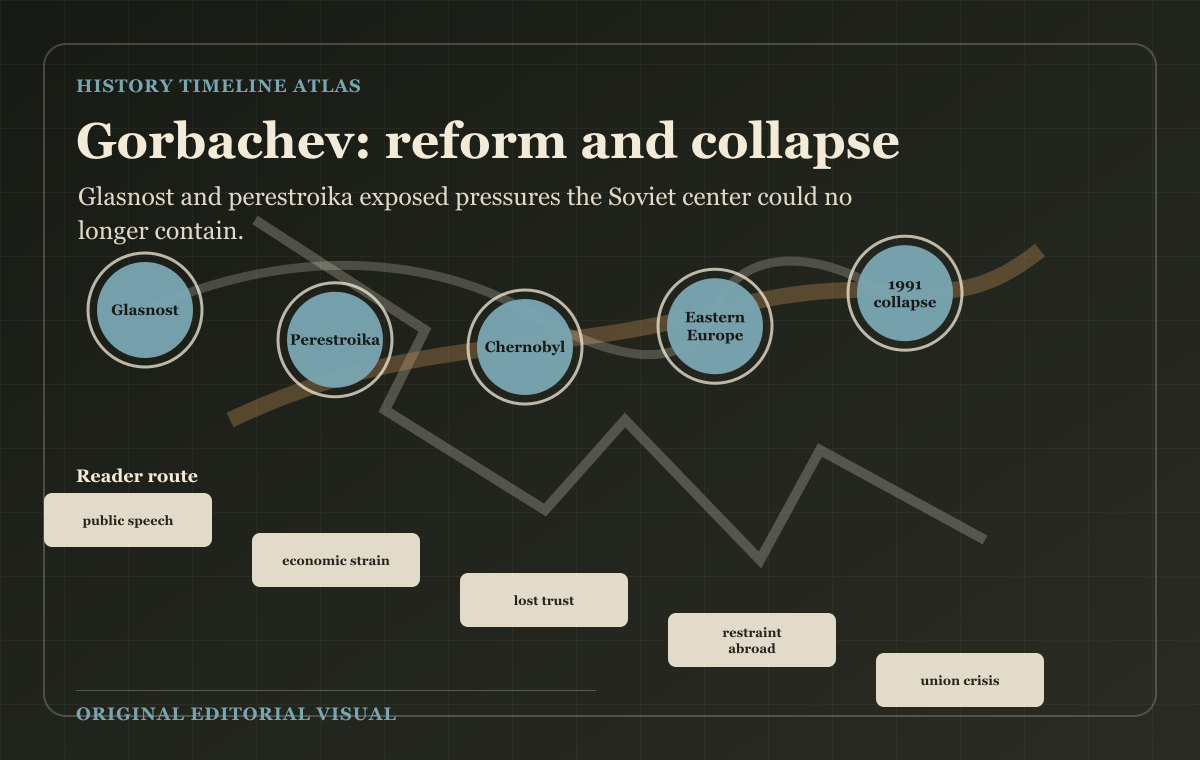
Mikhail Gorbachev pursued reforms that loosened Soviet political controls and helped bring the Cold War to a negotiated end.
Augustus created the principate, concentrating Roman power while preserving republican language and institutions.
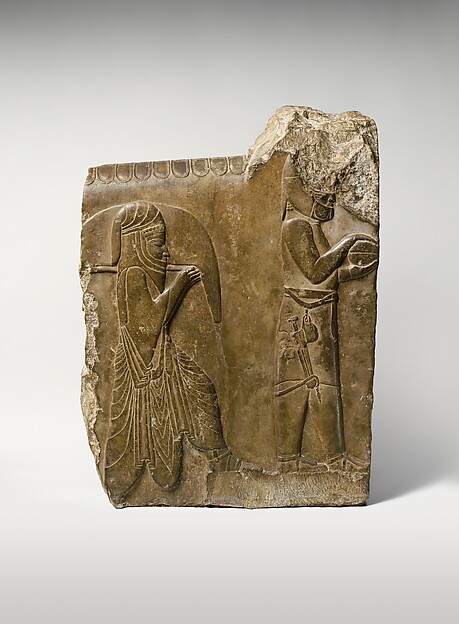
Alexander the Great conquered the Persian Empire and helped create the Hellenistic world.
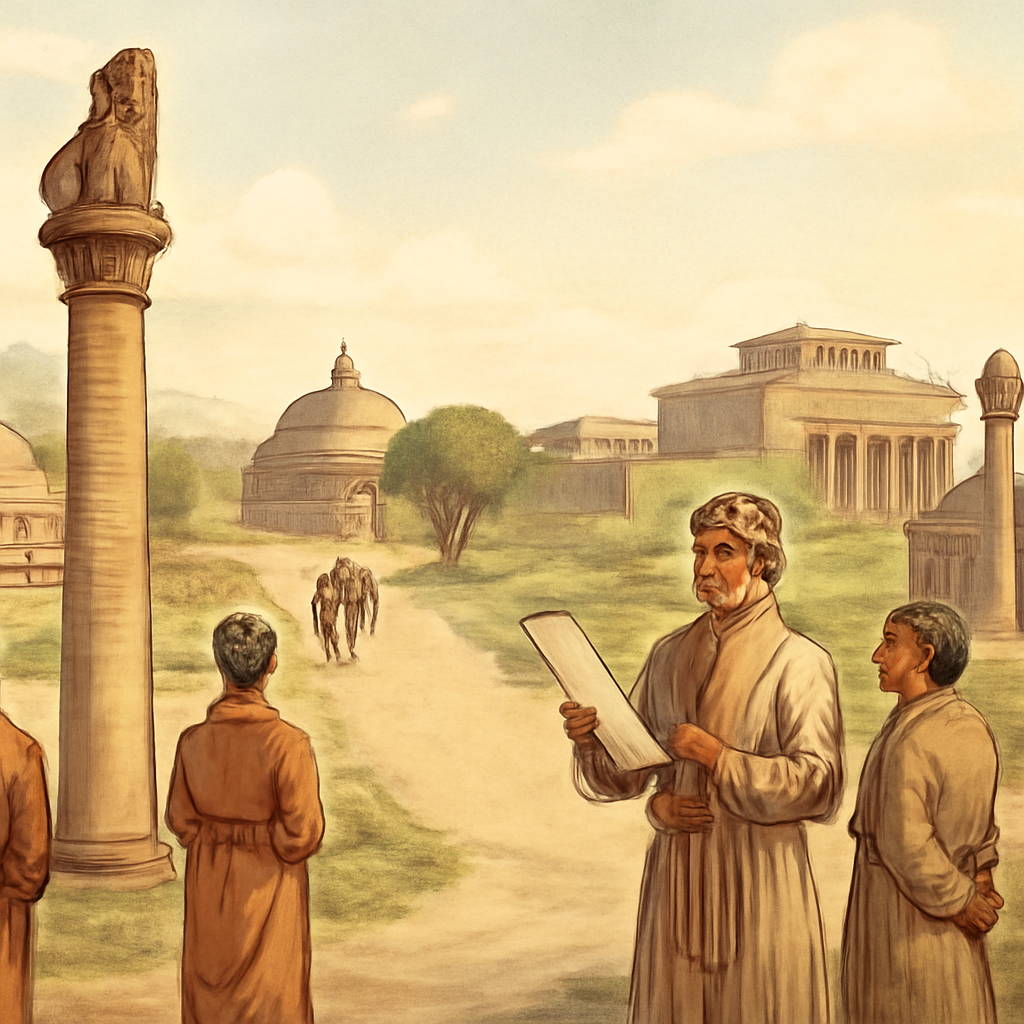
Ashoka used imperial power to promote Buddhist ethics after conquest and remorse over war.
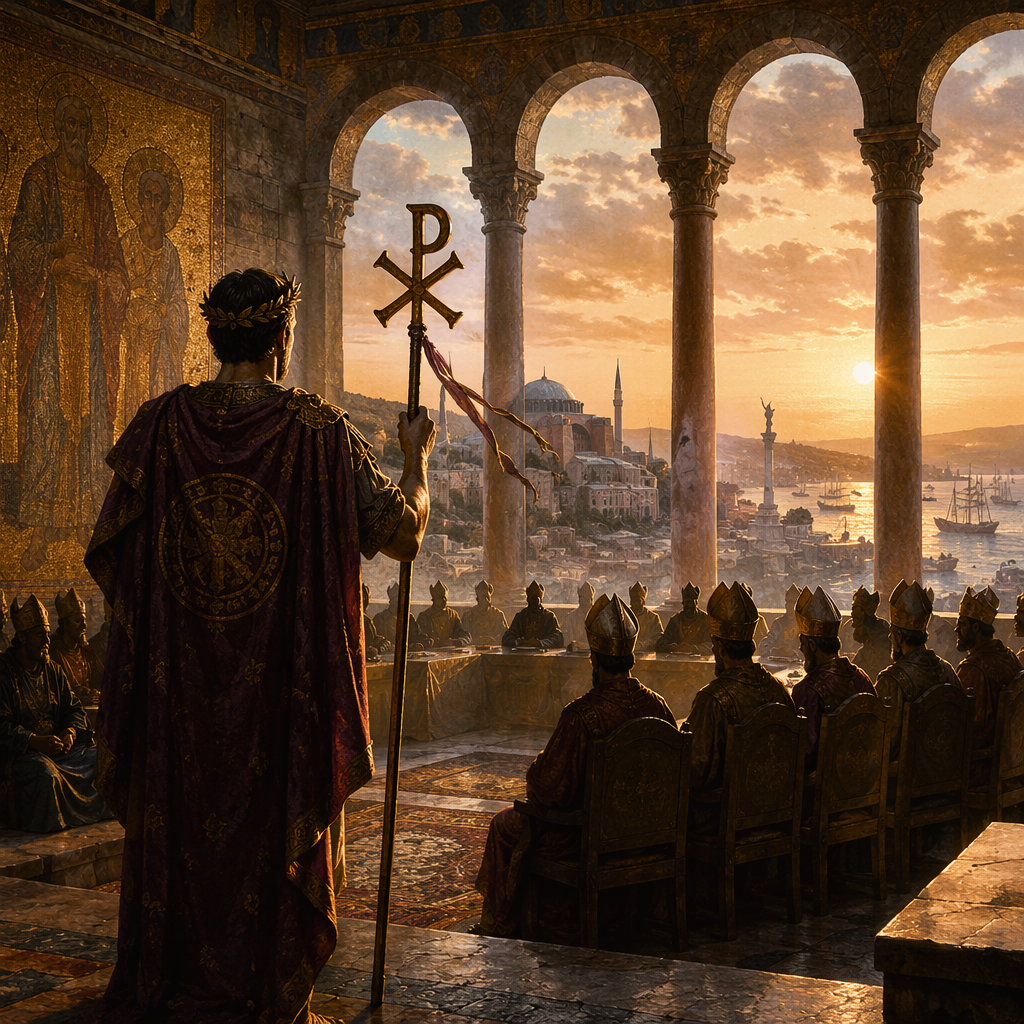
Constantine changed the public position of Christianity and used imperial authority in church politics.
Justinian ruled during expansion, lawmaking, building projects, and the shock of pandemic disease.
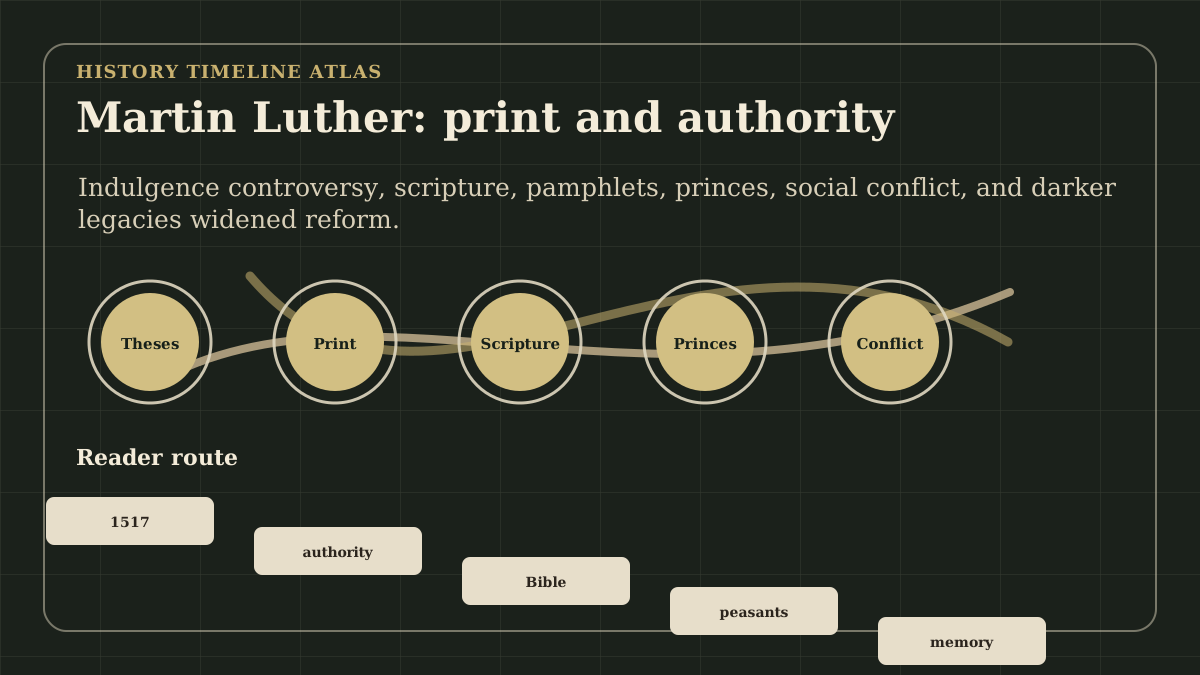
Martin Luther challenged church authority and became a central figure in the Protestant Reformation.
Oliver Cromwell emerged from civil war as a military and political ruler in mid-seventeenth-century England.
Louis XVI became the monarch whose crisis and execution marked the French Revolution's break with kingship.
Robespierre became a central and controversial figure in the French Revolution's radical phase.
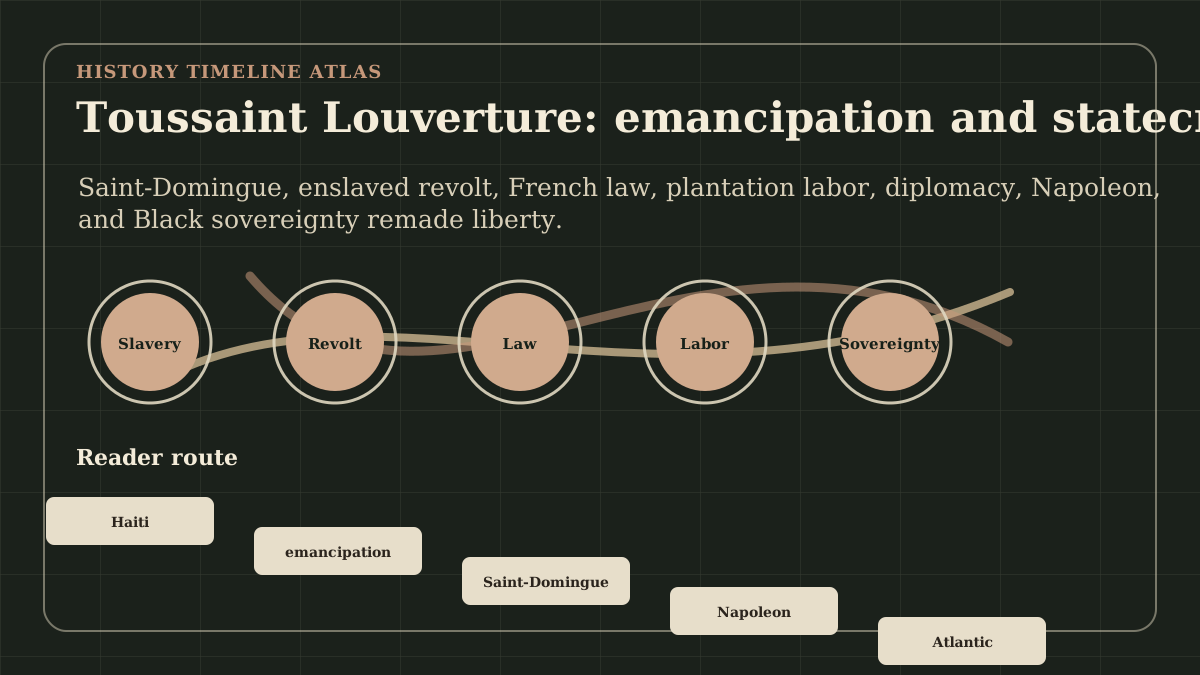
Toussaint Louverture helped lead the Haitian Revolution and challenged slavery and colonial rule.
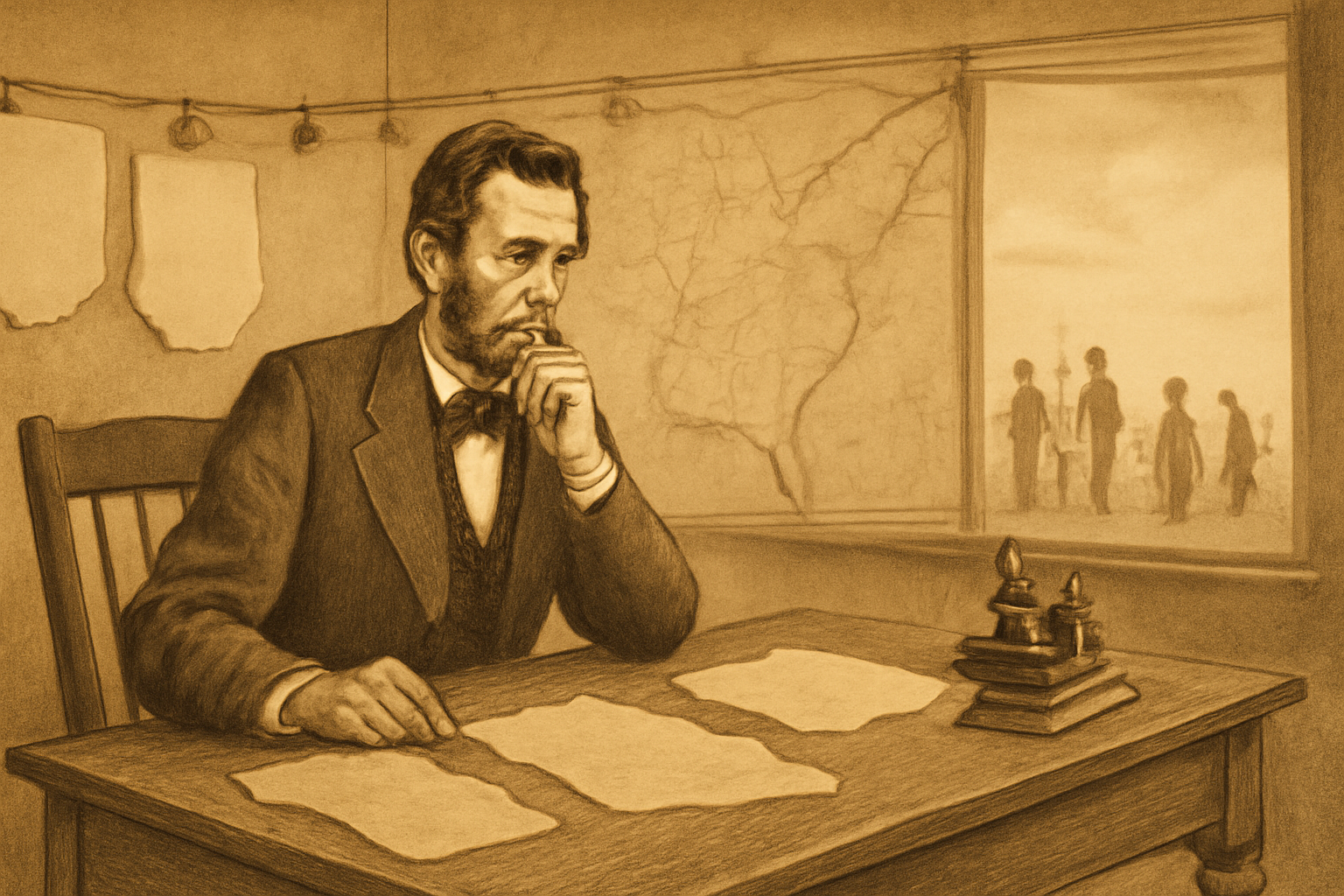
Abraham Lincoln led the Union during the Civil War and tied the conflict to emancipation.
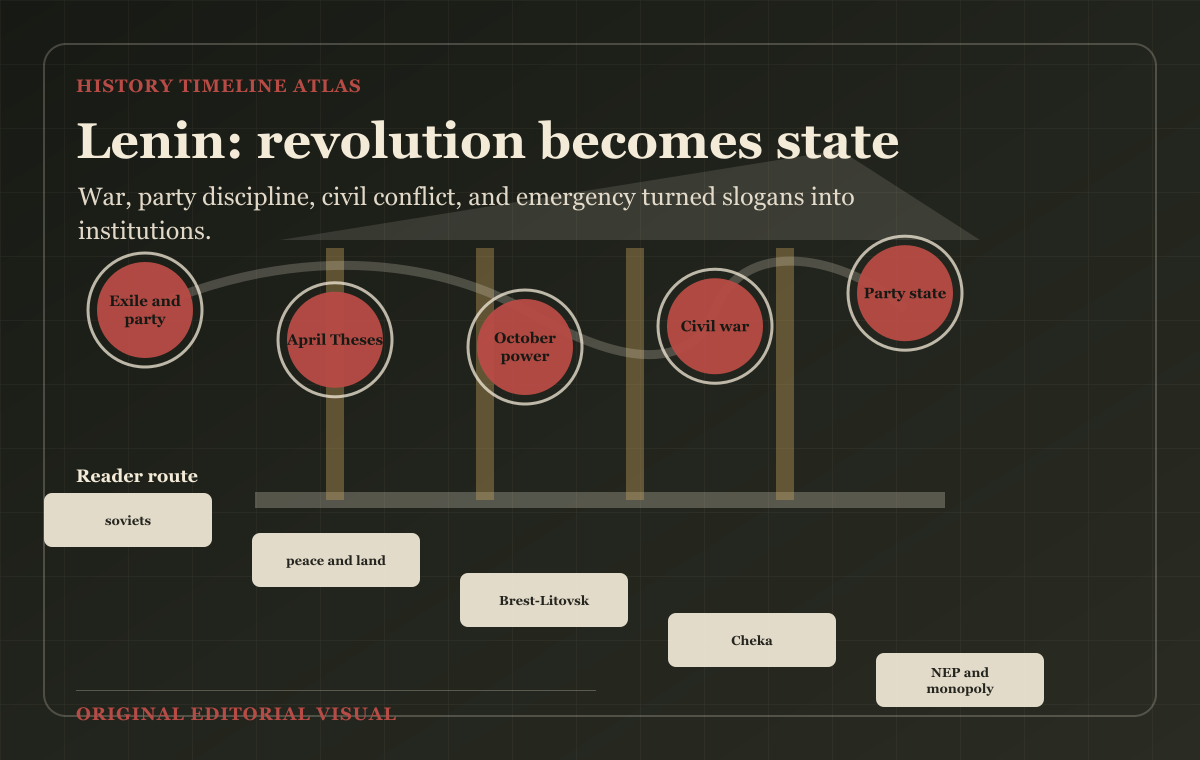
Vladimir Lenin led the Bolshevik Revolution and reshaped twentieth-century revolutionary politics.
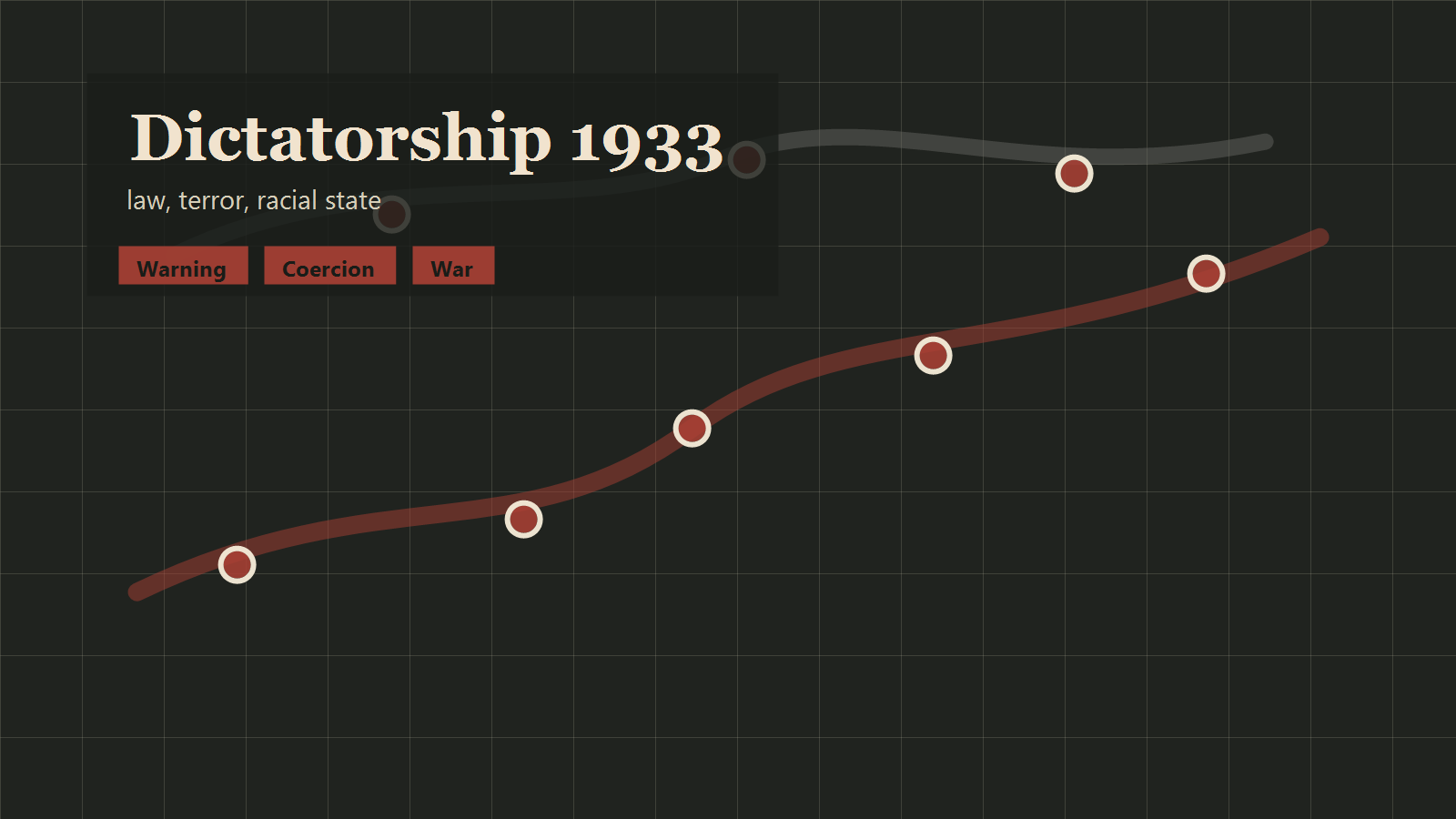
Adolf Hitler led Nazi Germany, driving dictatorship, racial violence, expansion, and World War II.
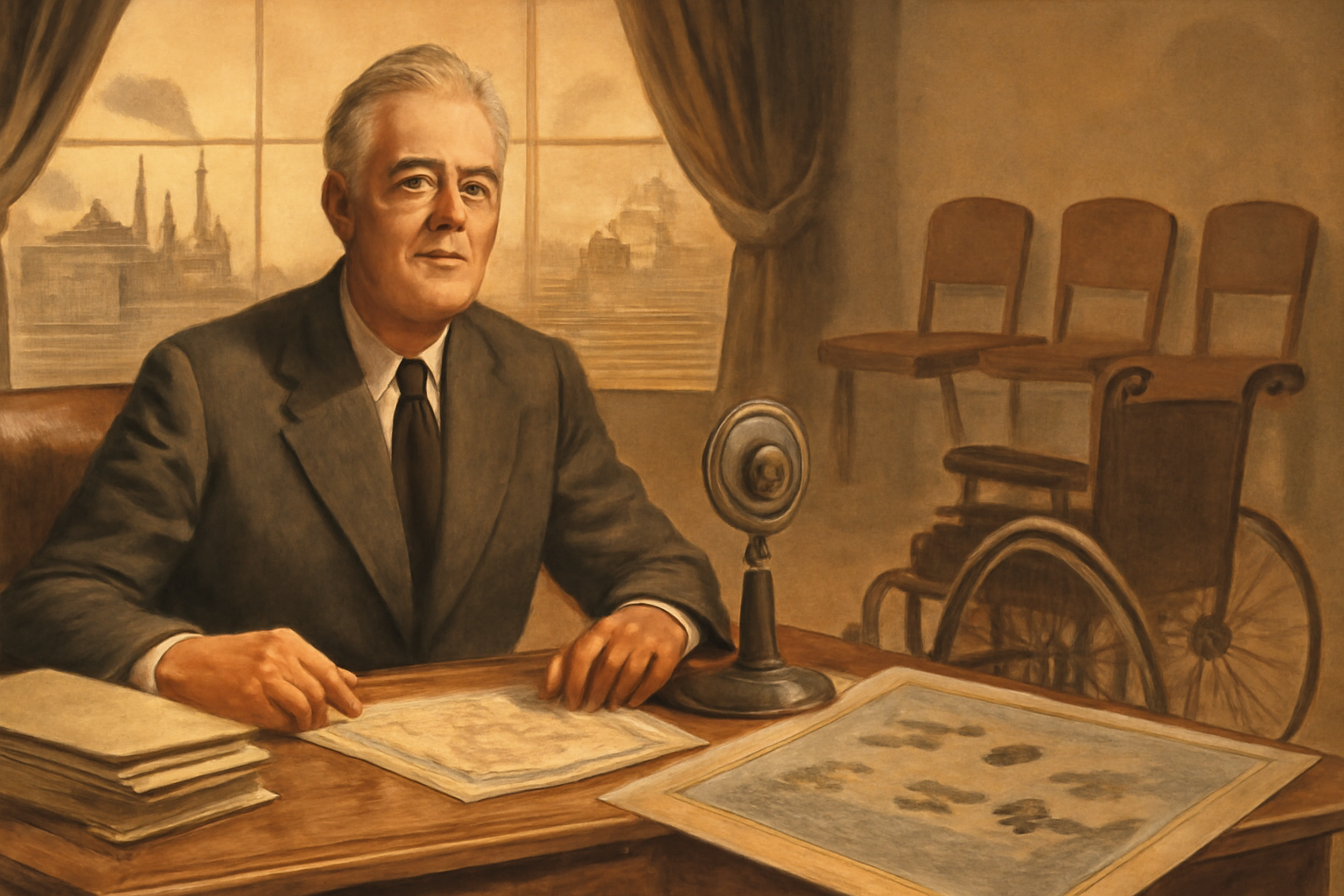
Franklin D. Roosevelt led the United States through depression, global war, and plans for postwar institutions.
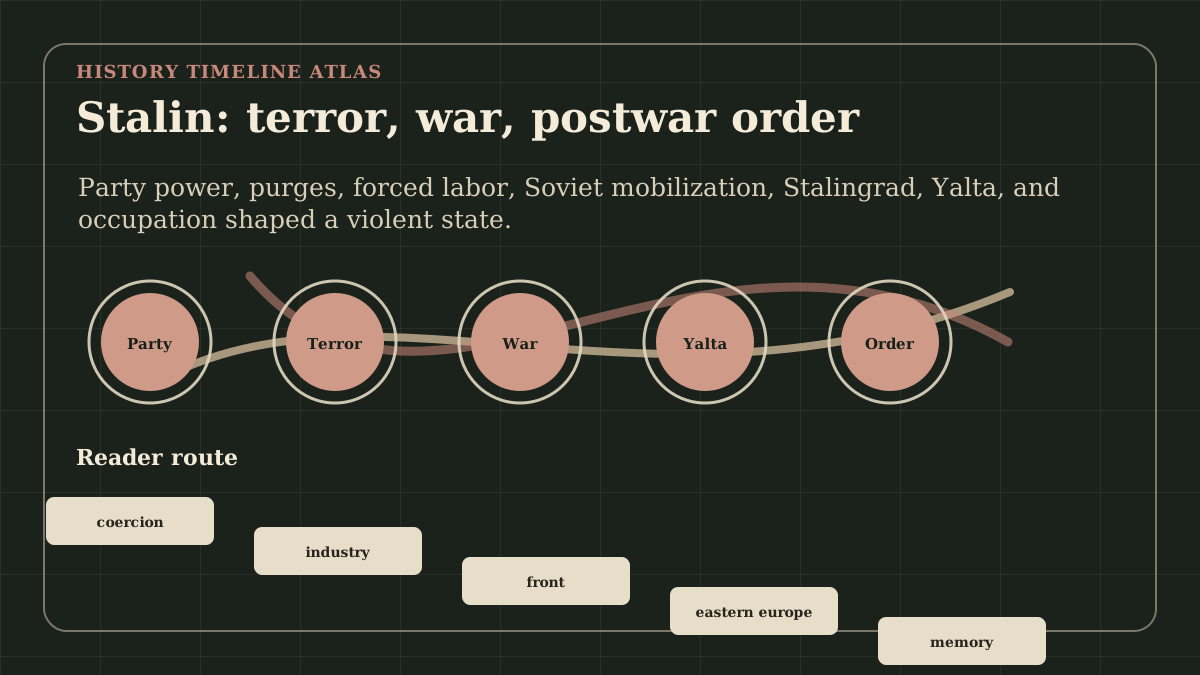
Joseph Stalin led the Soviet Union during World War II and shaped the postwar Cold War settlement.
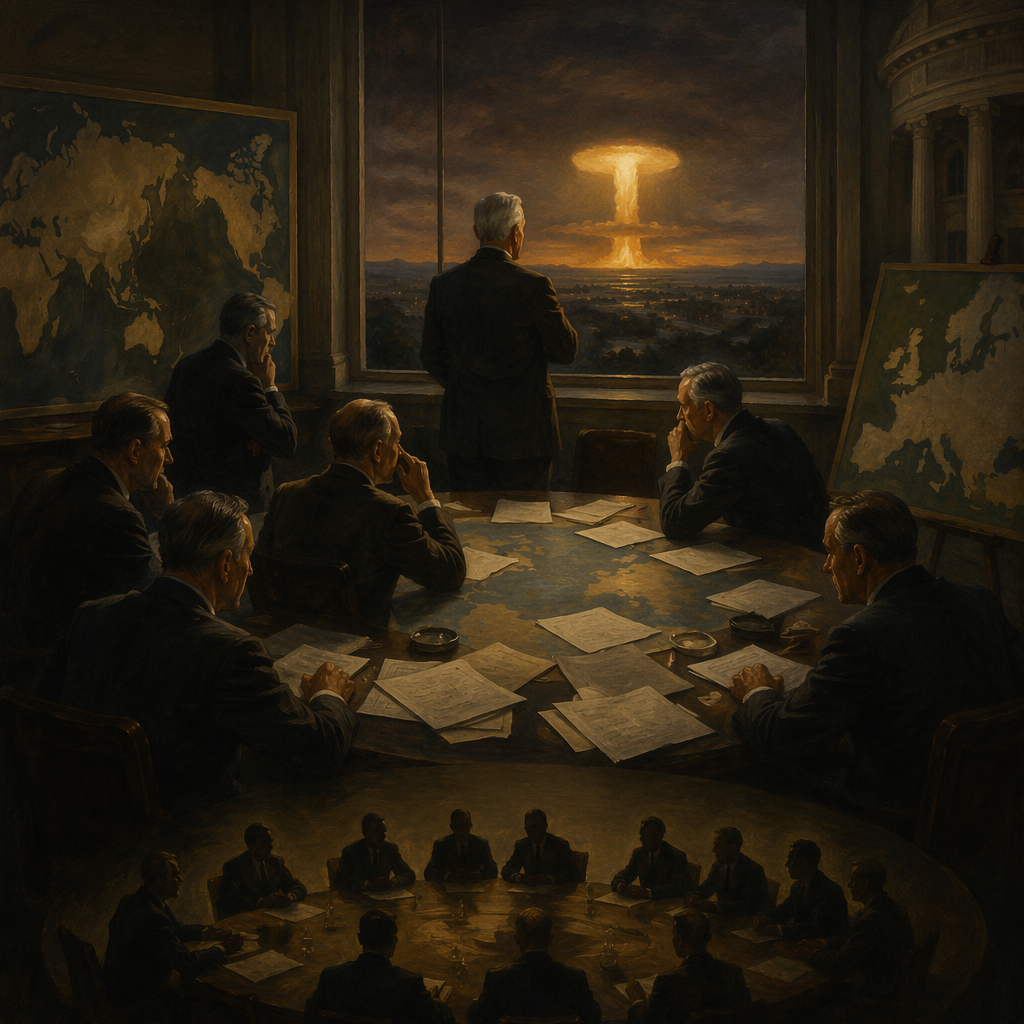
Harry Truman governed during the end of World War II and the early Cold War settlement.
John F. Kennedy became central to Cold War crisis politics, especially during the Cuban Missile Crisis.
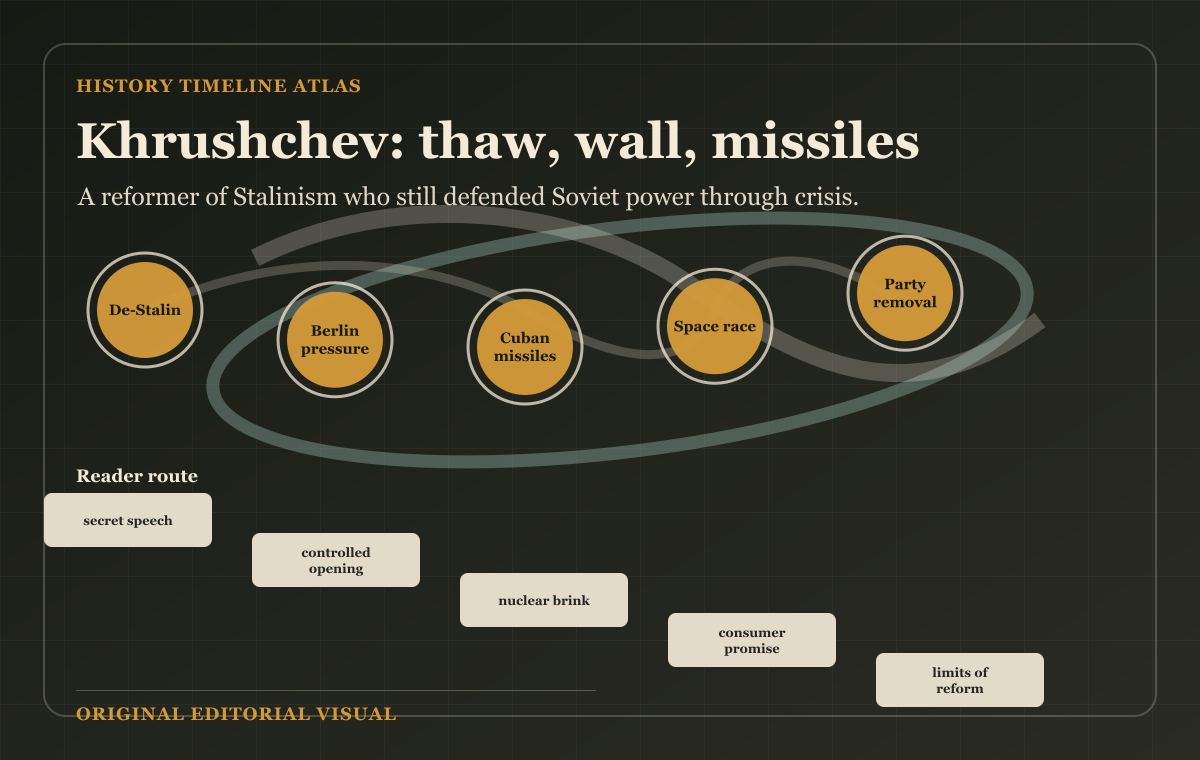
Nikita Khrushchev led the Soviet Union during intense Cold War confrontations and reform pressures.
Ho Chi Minh became a central figure in Vietnamese independence, communism, and Cold War conflict.
Nelson Mandela became a global symbol of anti-apartheid struggle and democratic transition.
Martin Luther King Jr. became one of the most visible leaders of the U.S. civil rights movement.
Elizabeth Cady Stanton helped organize the Seneca Falls Convention and frame women's rights demands.
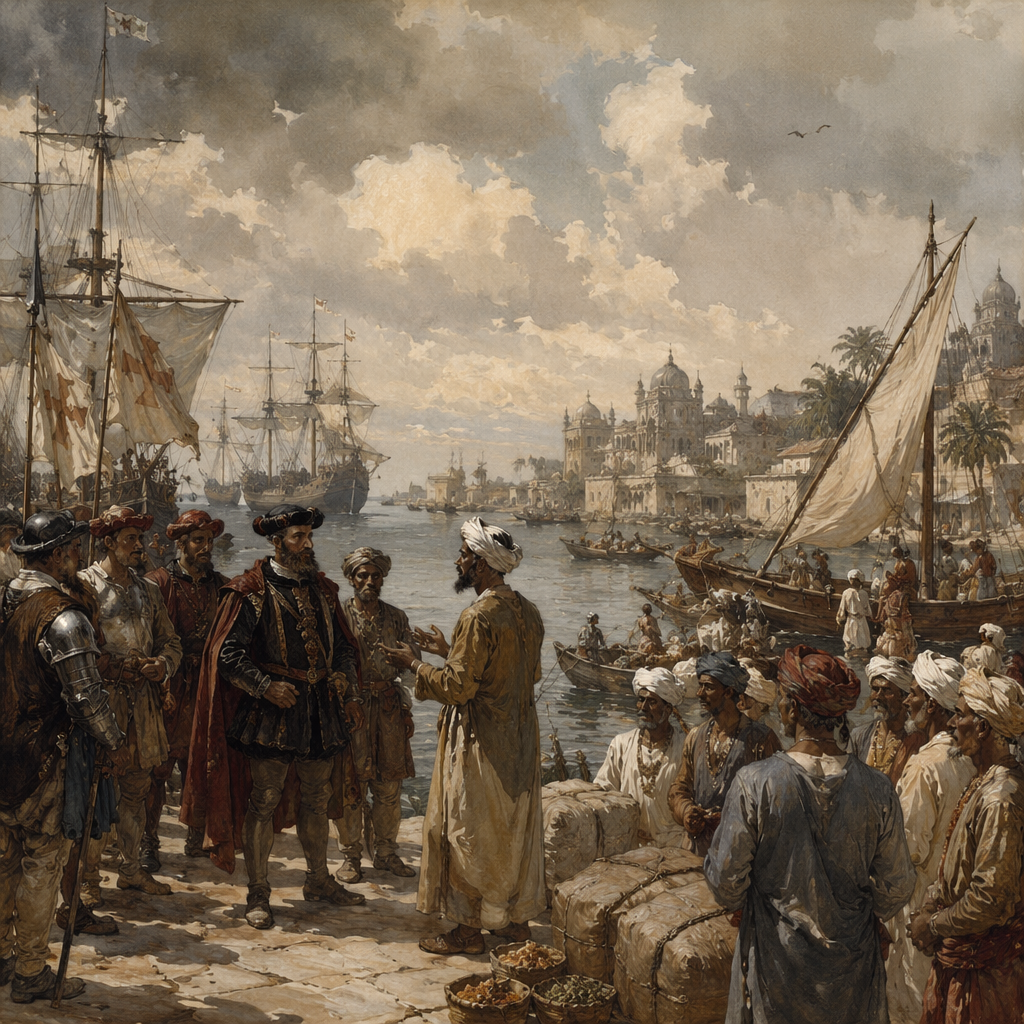
Vasco da Gama connected Portuguese oceanic expansion with established Indian Ocean trade networks.
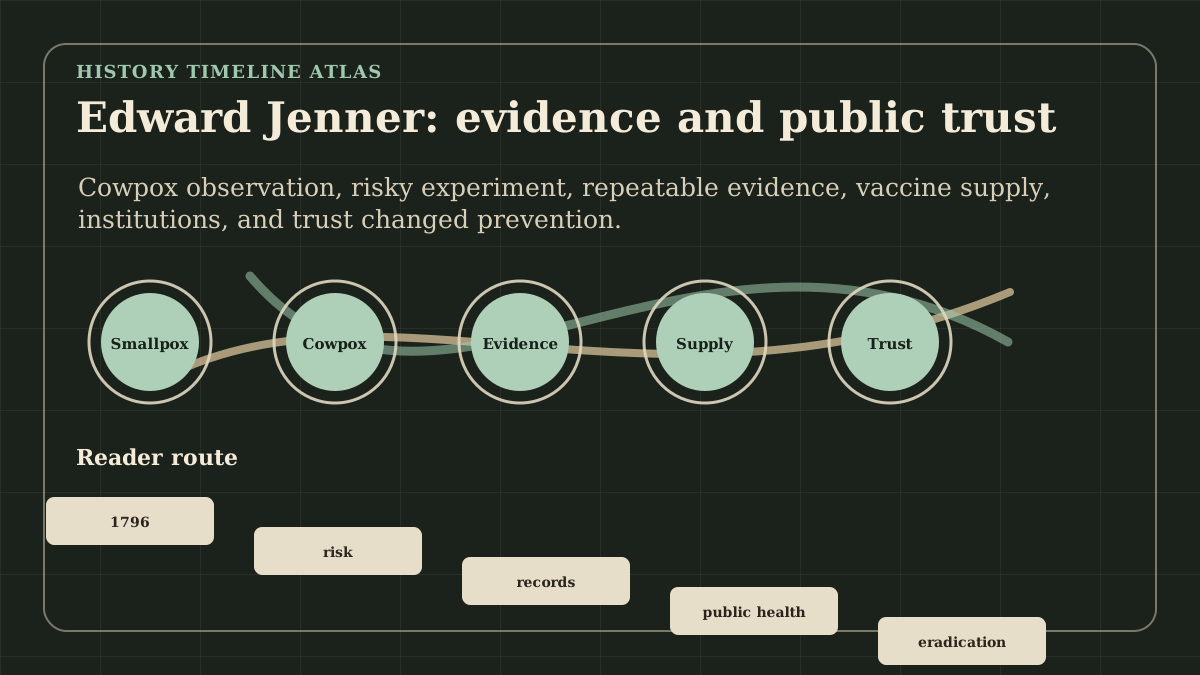
Edward Jenner helped establish vaccination as a practical method for preventing smallpox.
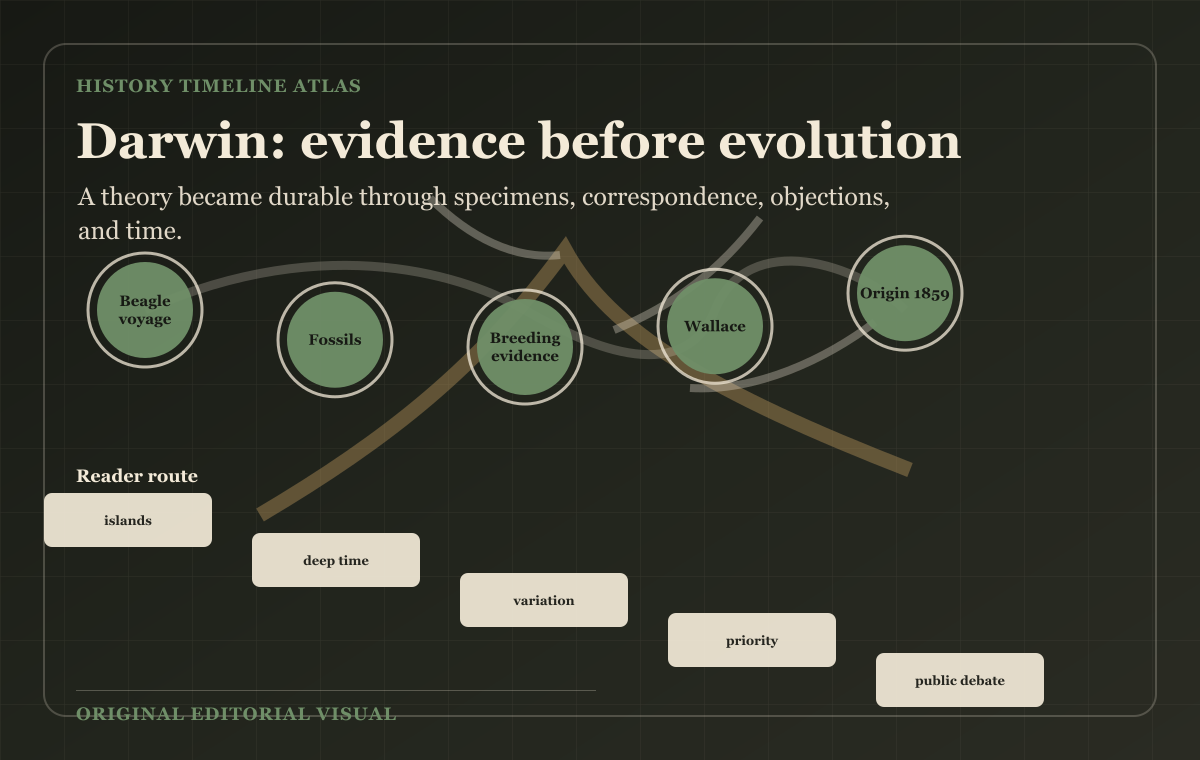
Charles Darwin reshaped biology through his theory of evolution by natural selection.
Isaac Newton transformed physics and mathematics through work on motion, gravity, and calculation.
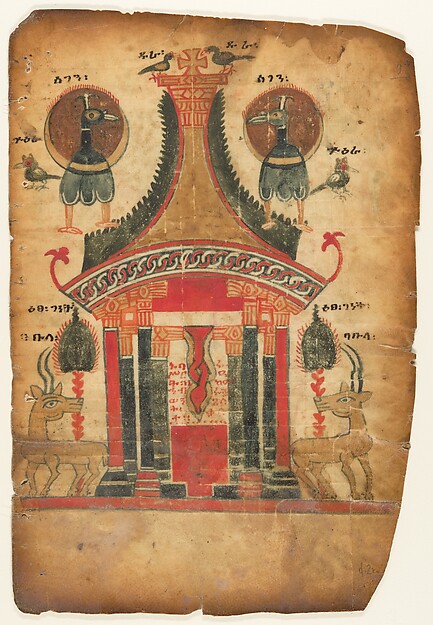
Ezana of Aksum is remembered for royal expansion, inscriptions, coinage, and the public adoption of Christianity in the Horn of Africa.
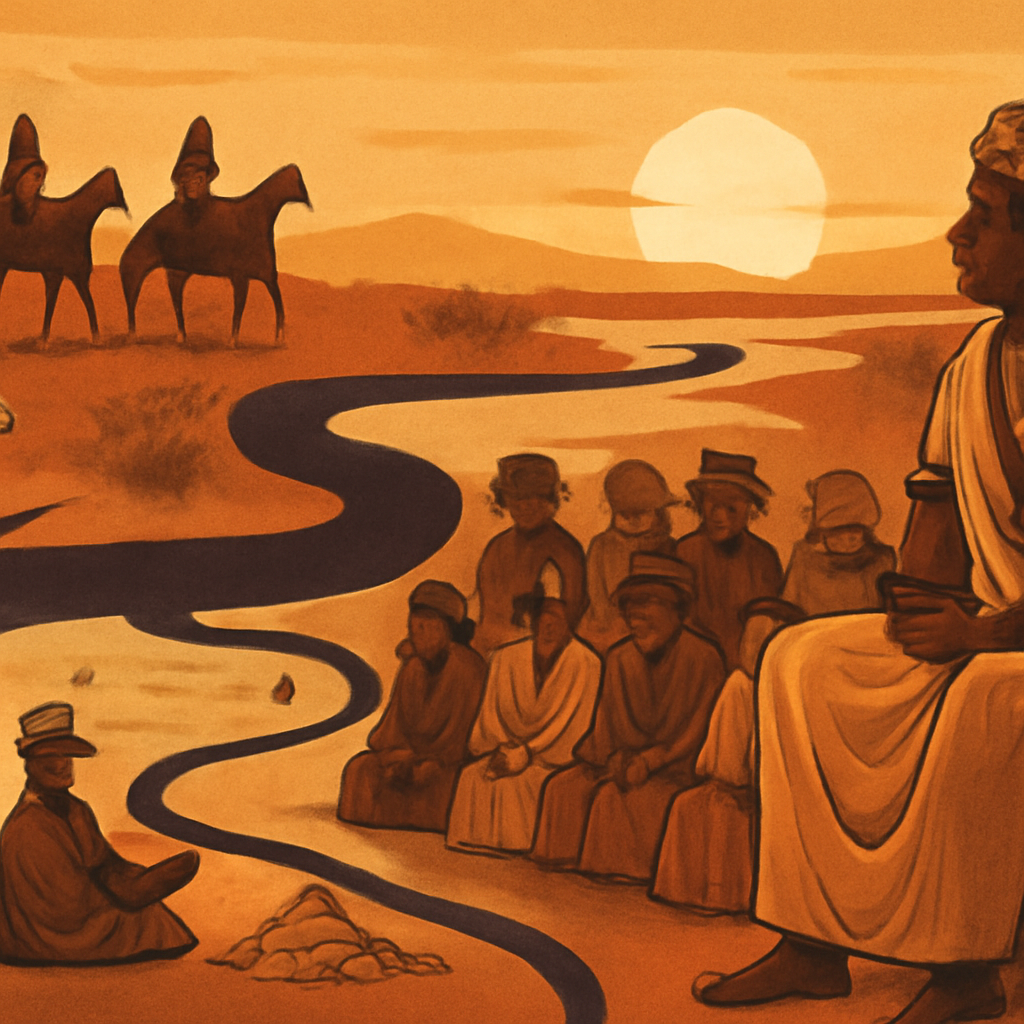
Sundiata Keita stands at the founding memory of the Mali Empire, where oral tradition, regional warfare, and state formation meet.
Mansa Musa made Mali visible across the Islamic world through pilgrimage, gold, patronage, diplomacy, and the memory of West African wealth.
Menelik II led Ethiopia during imperial pressure from Italy and became central to the victory at Adwa and the preservation of Ethiopian sovereignty.
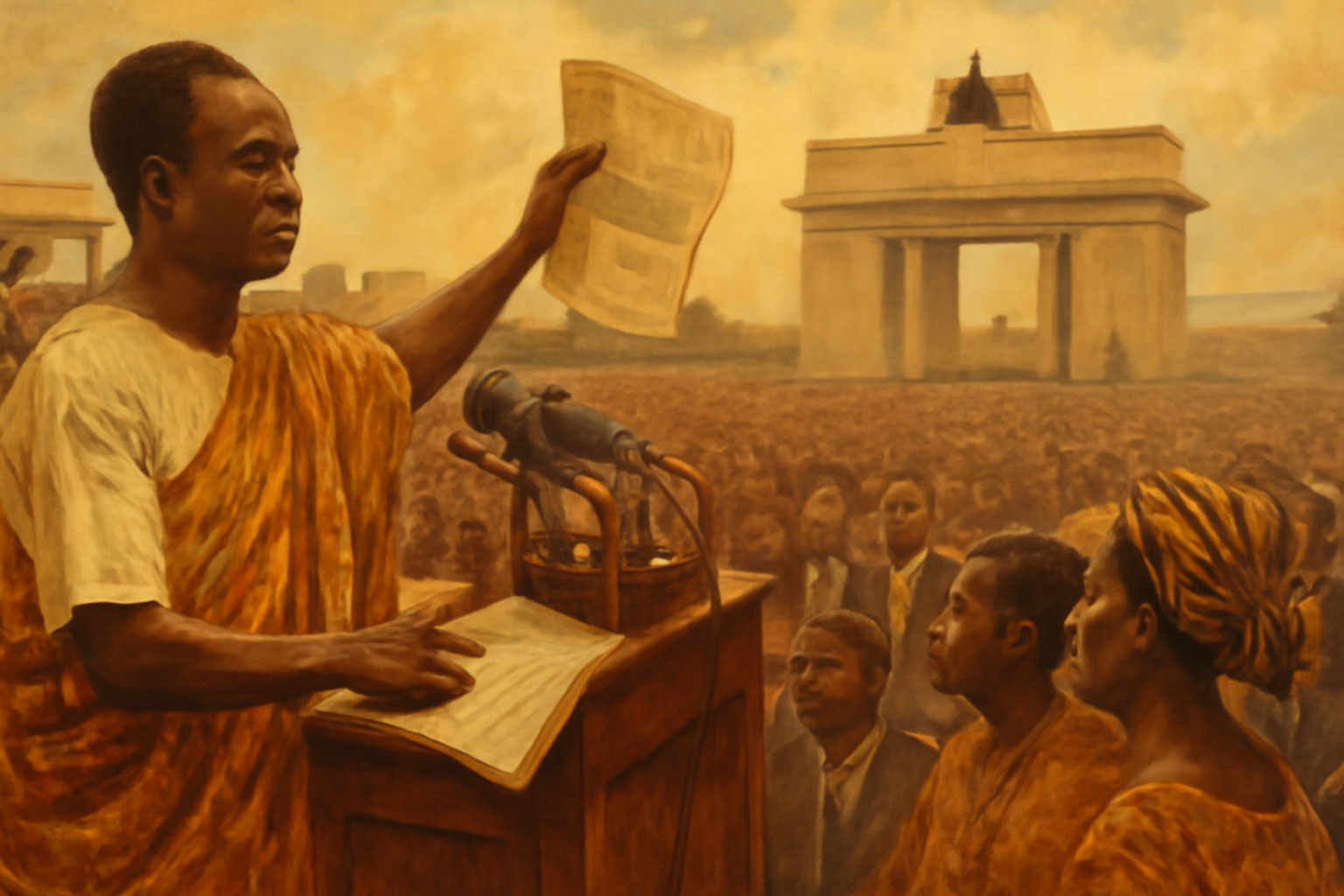
Kwame Nkrumah led Ghana to independence and linked national sovereignty with a larger Pan-African argument about liberation and unity.
Mary Leakey helped make East African archaeology central to public understanding of human origins, fossils, tools, and deep time.

Jayavarman II is associated with the founding of Angkorian Khmer power and the ritual language of kingship in mainland Southeast Asia.
Gajah Mada became a central figure in Majapahit memory, associated with expansion, court politics, and the idea of wider island-world authority.
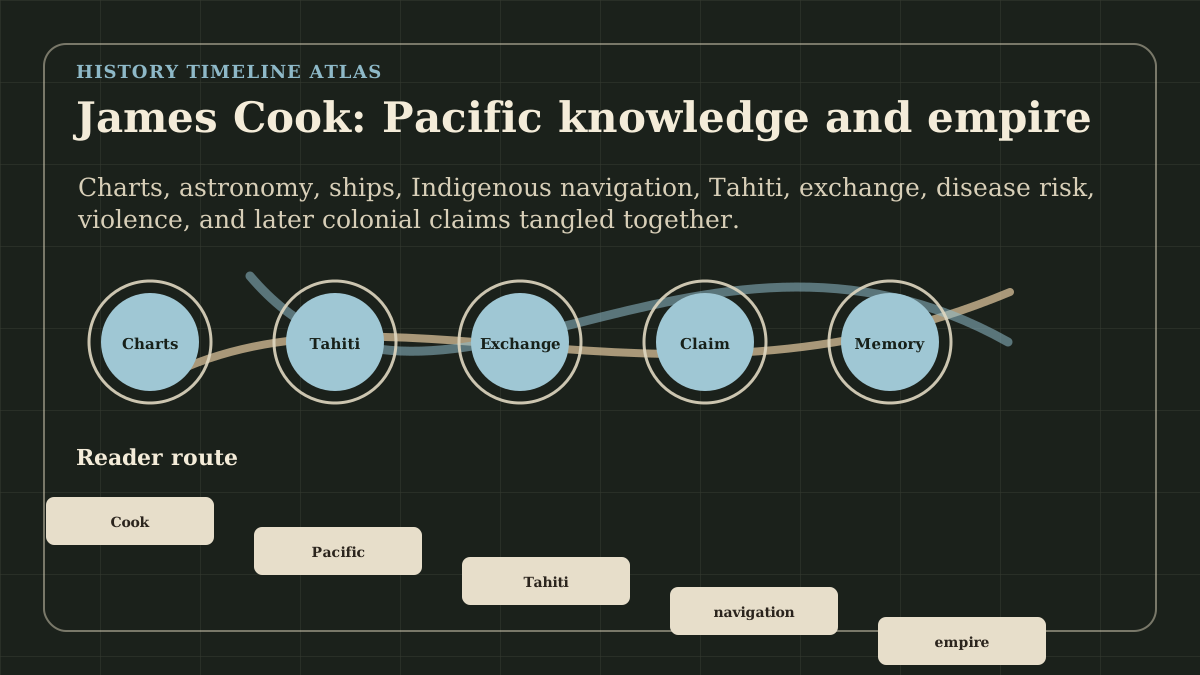
James Cook's voyages connected British science, mapping, imperial ambition, and Pacific knowledge in encounters that reshaped oceanic history.
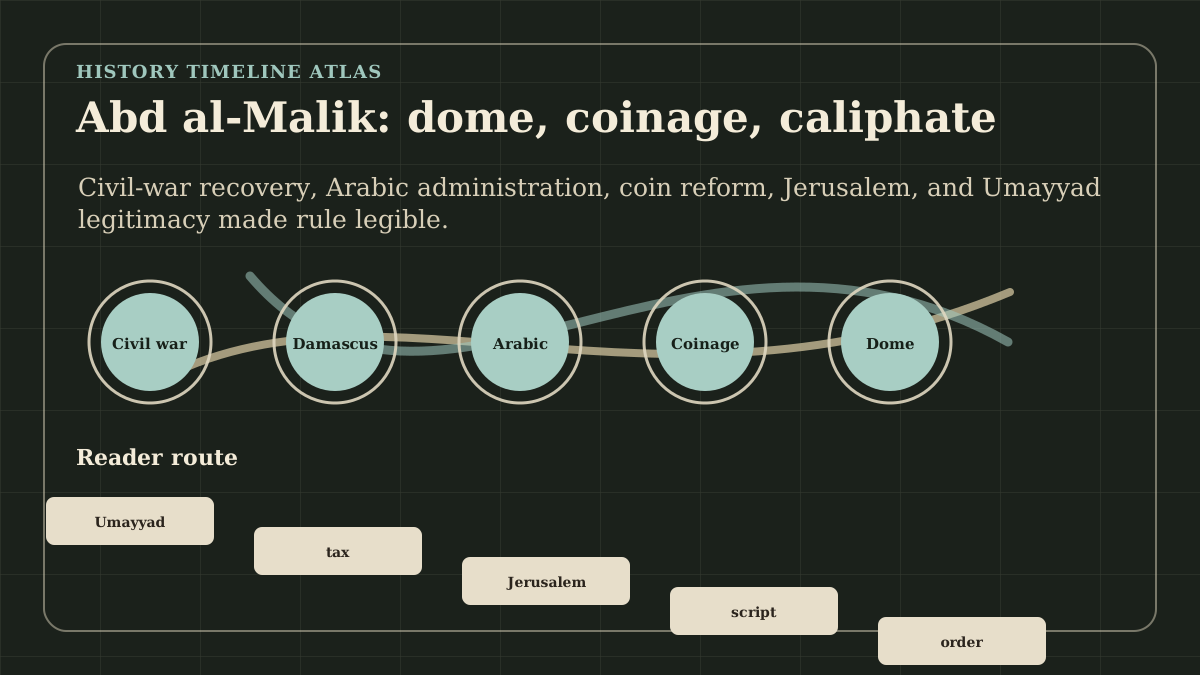
Abd al-Malik consolidated Umayyad rule, sponsored the Dome of the Rock, and helped give early Islamic empire more visible administrative and monumental form.
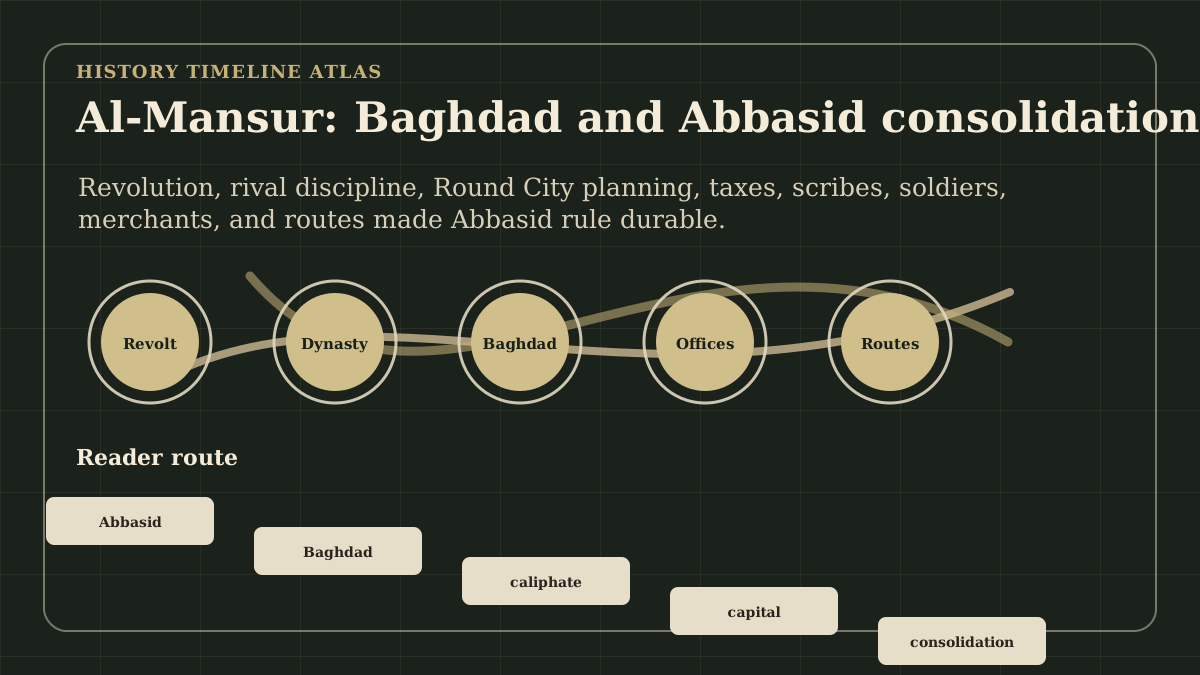
Al-Mansur was an Abbasid caliph remembered for consolidating the dynasty and founding Baghdad as the new imperial capital.
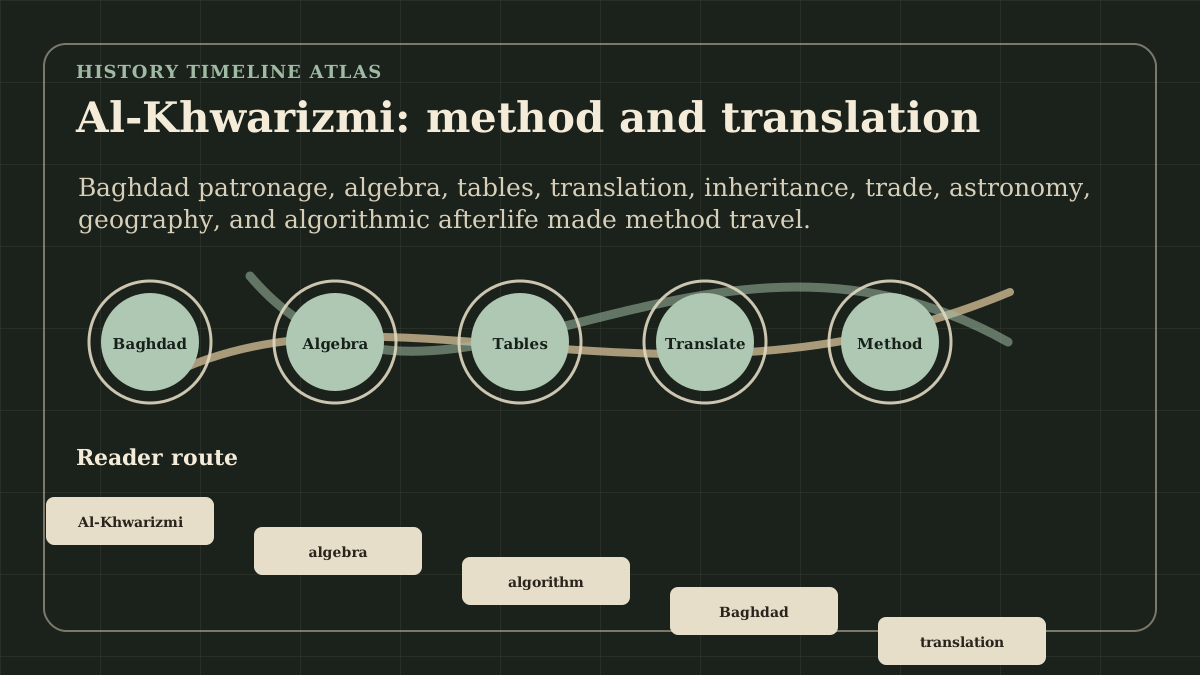
Al-Khwarizmi worked in the Abbasid scholarly world and became central to the history of algebra, calculation, and mathematical transmission.
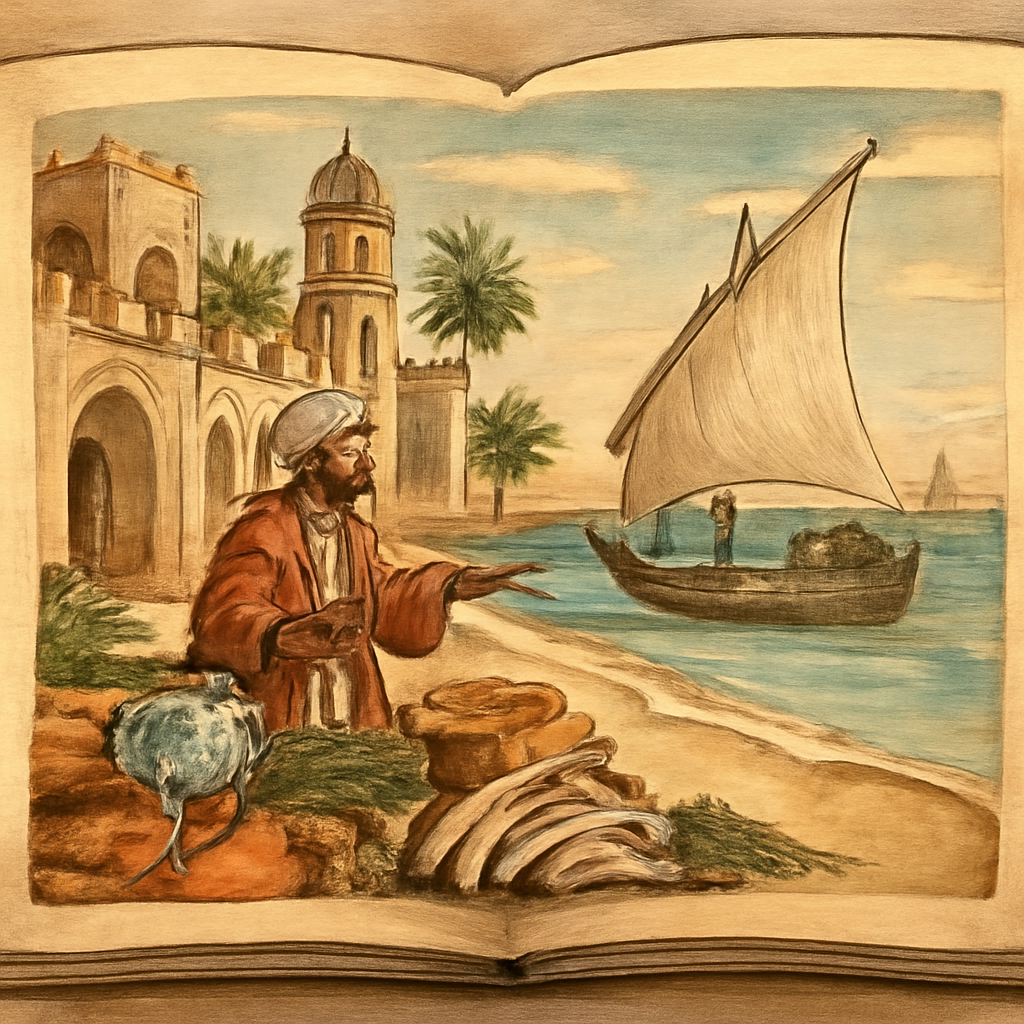
Ibn Battuta was a Moroccan traveler whose Rihla gives one of the richest routes through the medieval Islamic world and beyond.
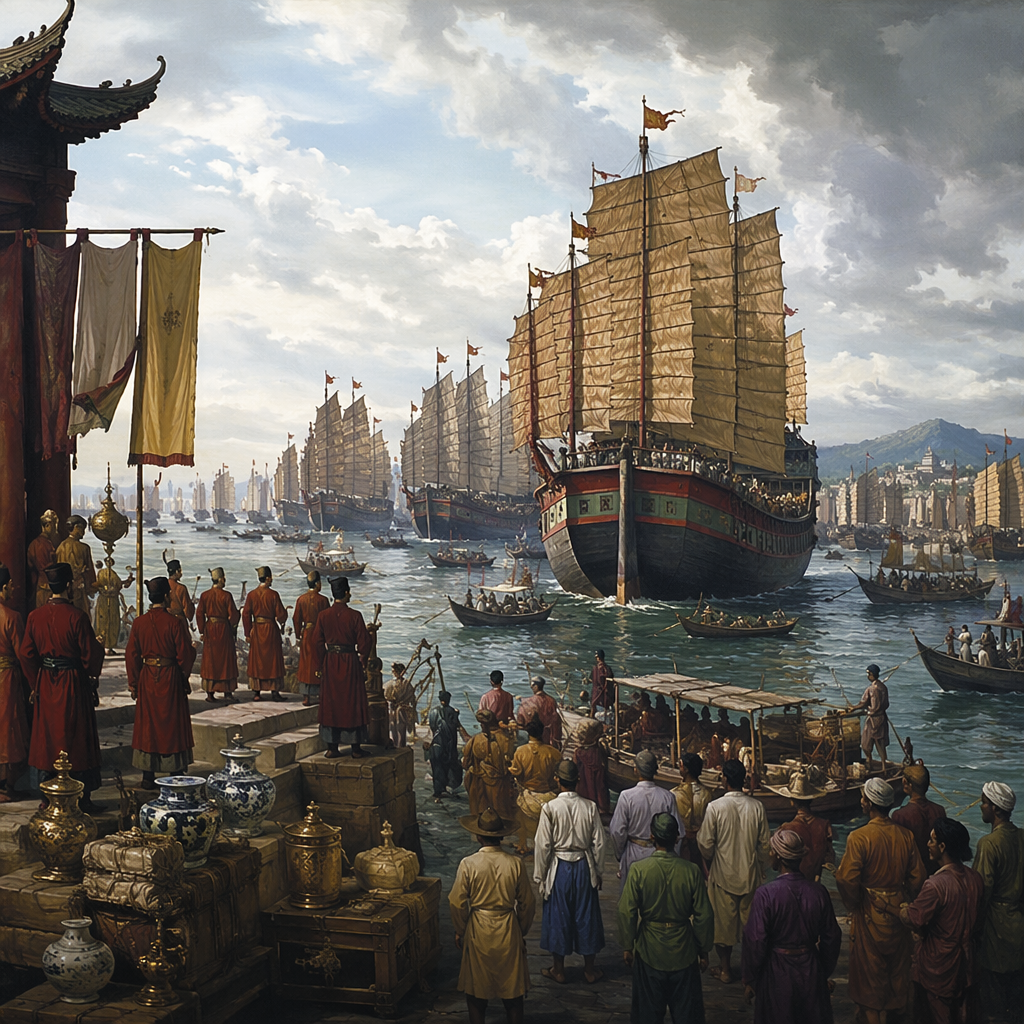
Zheng He led Ming fleets through maritime Asia and the Indian Ocean, making Chinese diplomatic and commercial presence visible across port networks.
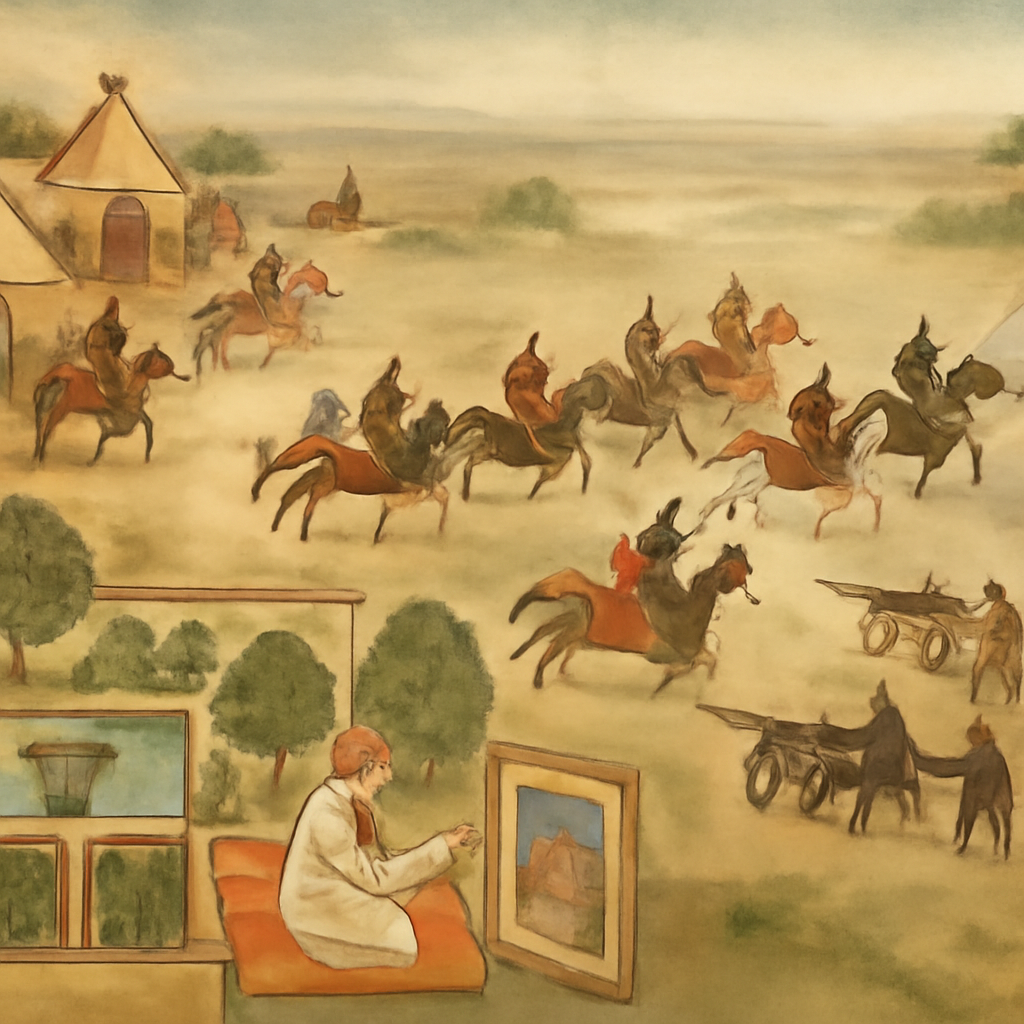
Babur founded Mughal power in northern India after defeating the Delhi Sultanate at Panipat.
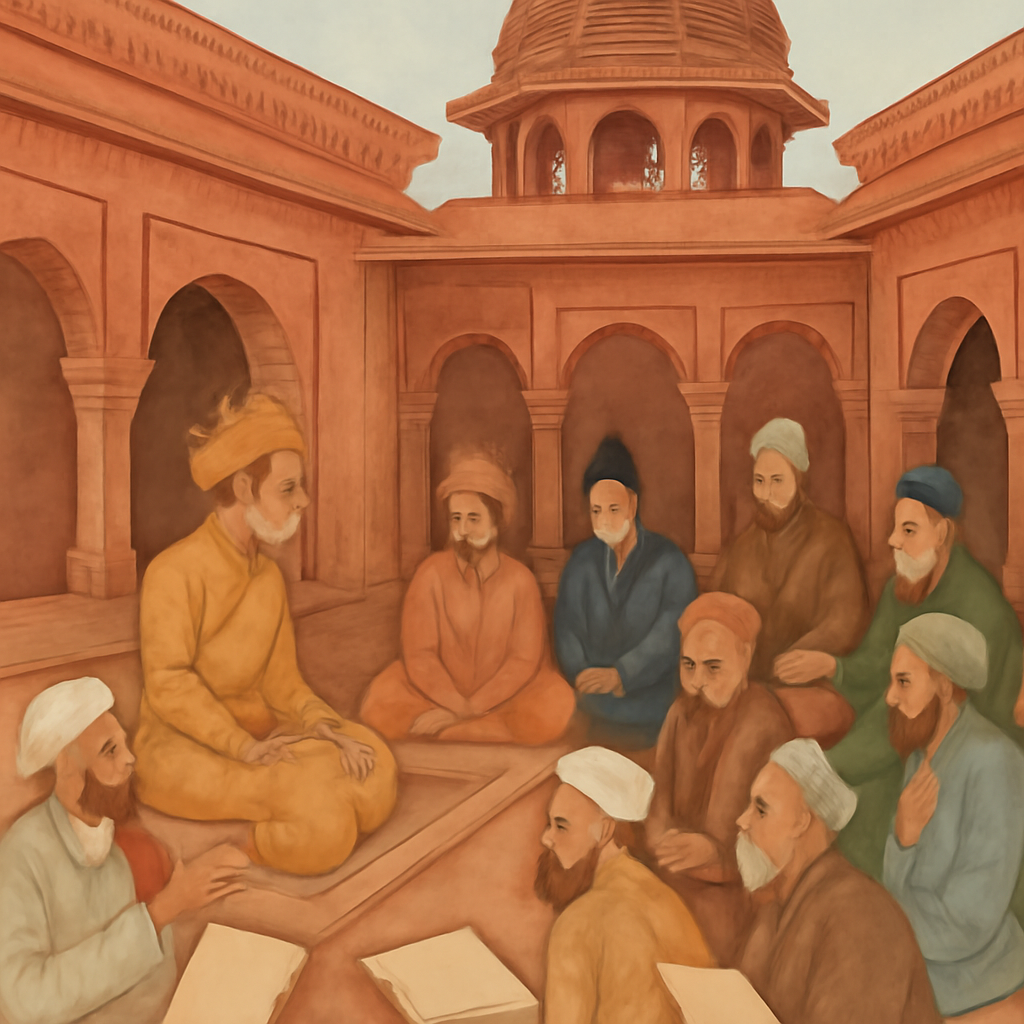
Akbar expanded and stabilized Mughal rule while experimenting with administration, alliance, court culture, and religious debate.
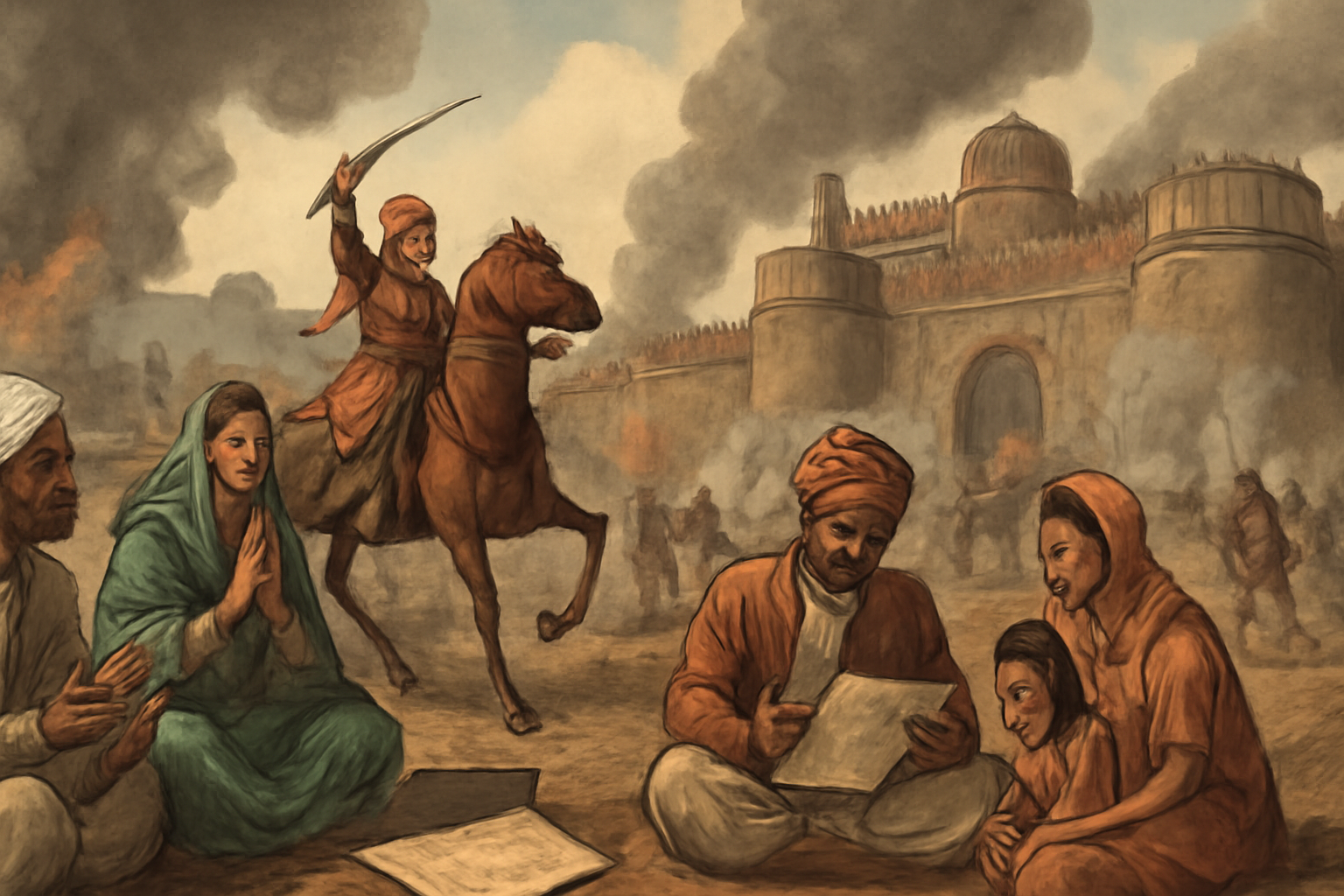
Rani Lakshmibai became one of the most remembered figures of the 1857 rebellion against East India Company rule.
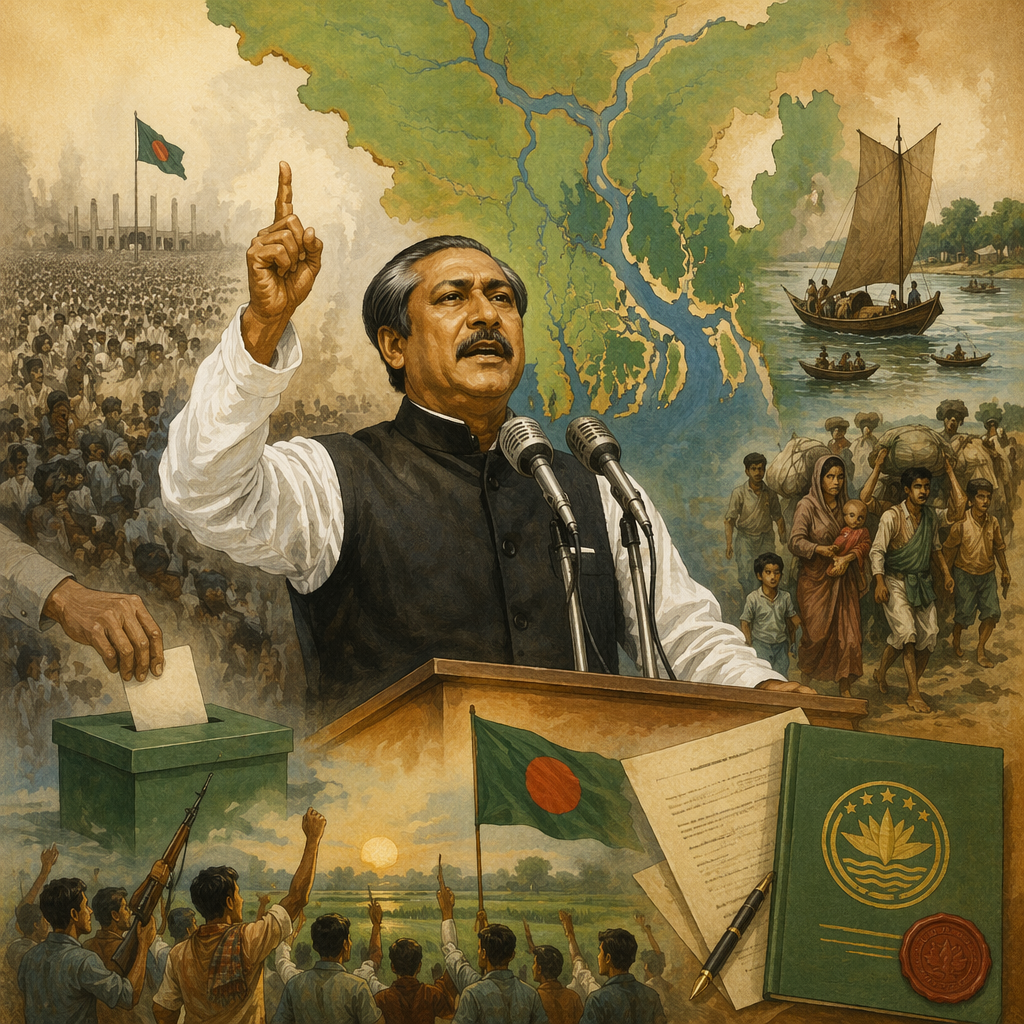
Sheikh Mujibur Rahman led Bengali nationalist politics and became central to Bangladesh's independence and early state formation.
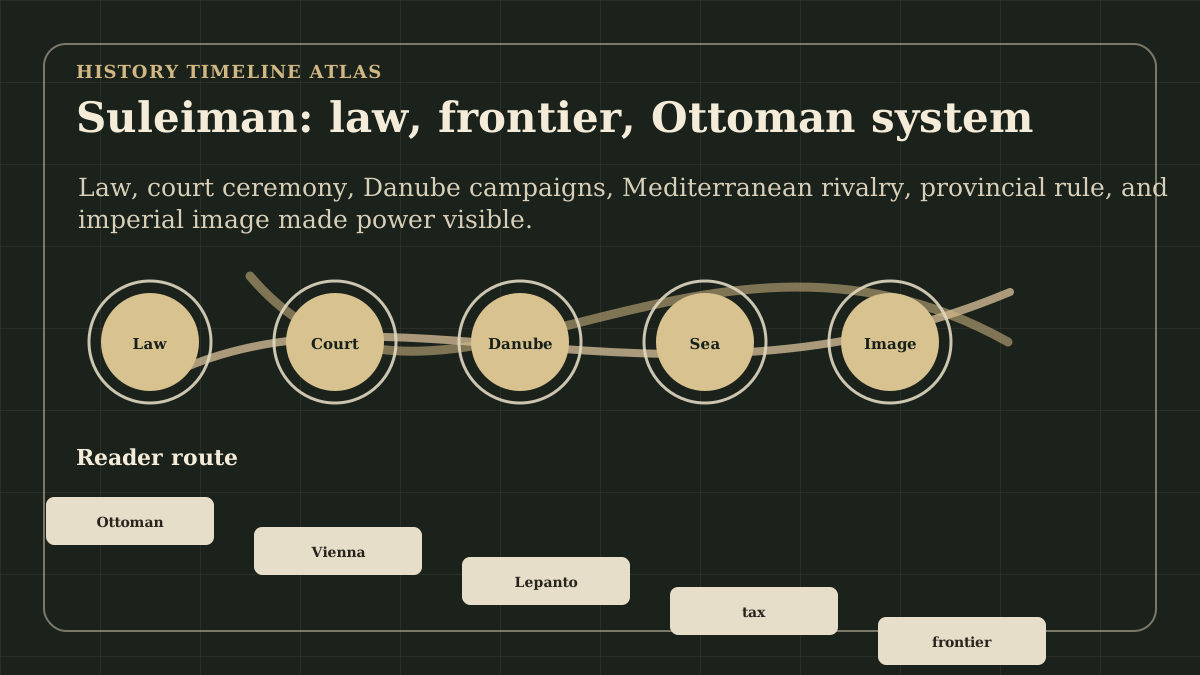
Suleiman ruled the Ottoman Empire at a high point of military reach, lawmaking, court culture, and Mediterranean power.
Selim I defeated the Safavids at Chaldiran and brought Egypt and the former Mamluk domains into Ottoman rule.
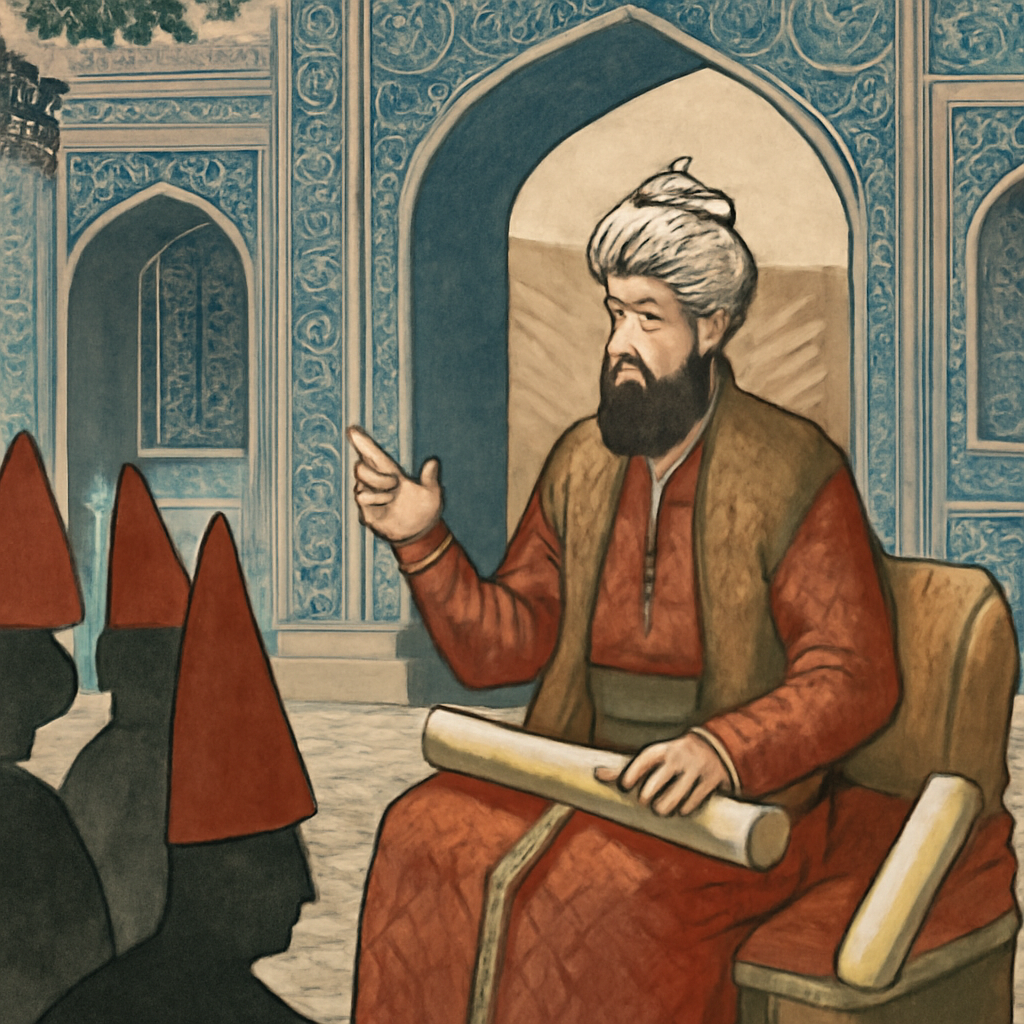
Shah Ismail I founded Safavid power in Iran and made Twelver Shi'a identity central to the dynasty's political order.
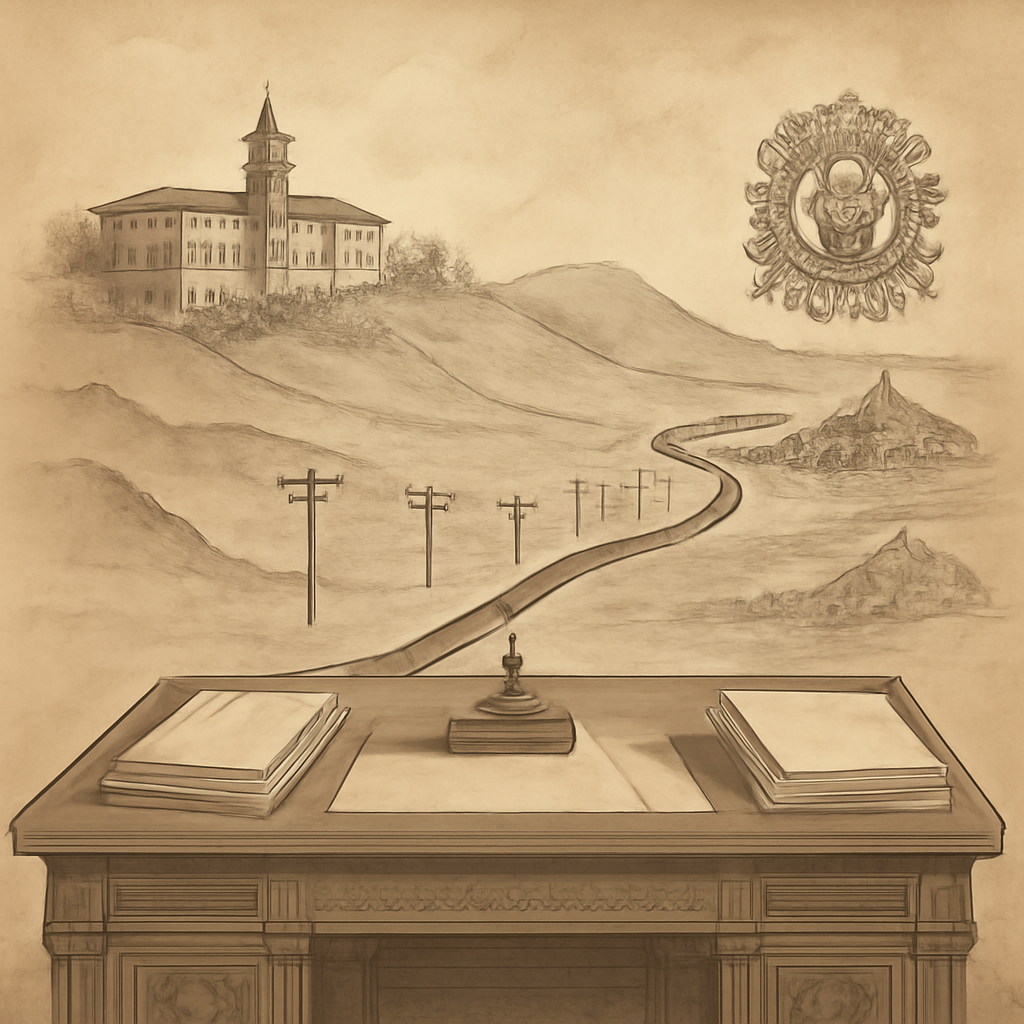
Abdulhamid II ruled the late Ottoman Empire through centralization, surveillance, pan-Islamic language, and resistance to constitutional opposition.
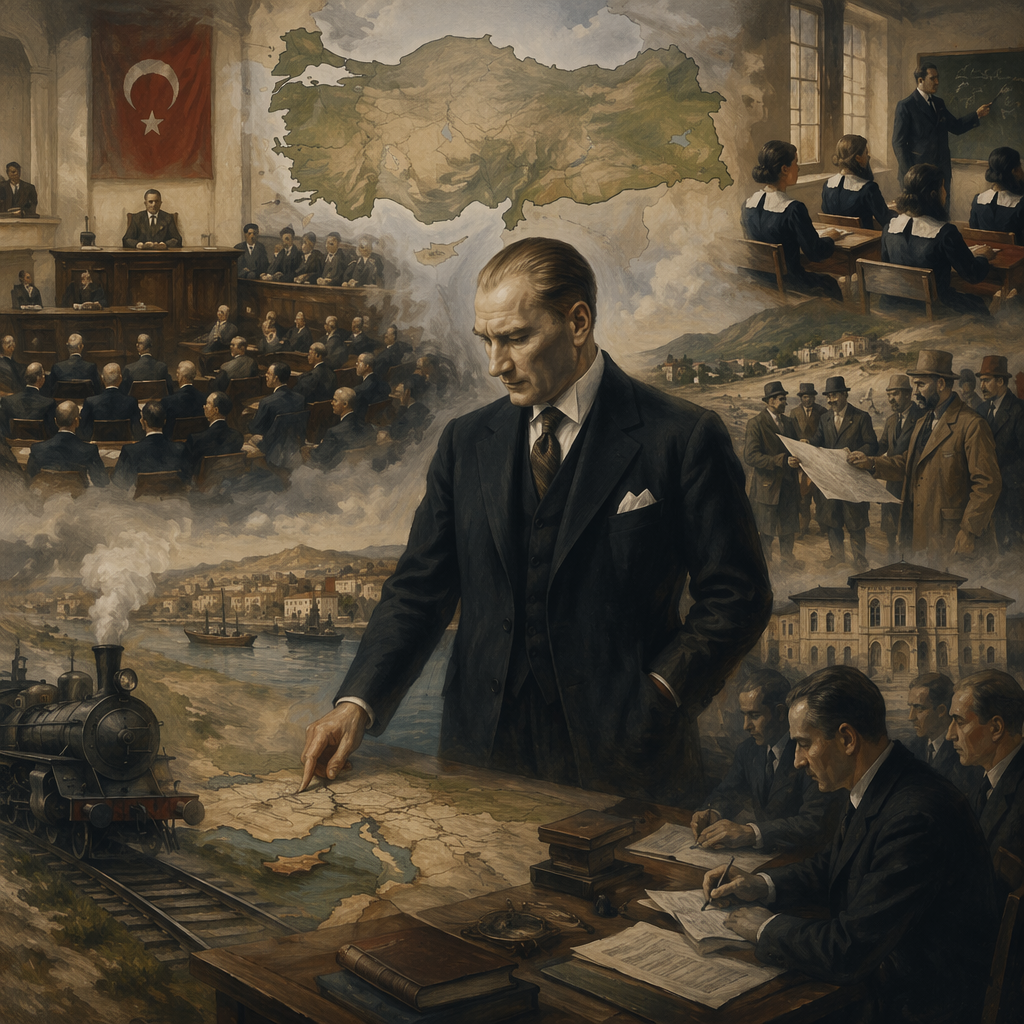
Mustafa Kemal Ataturk led Turkish nationalist victory after the Ottoman collapse and founded the Republic of Turkey.
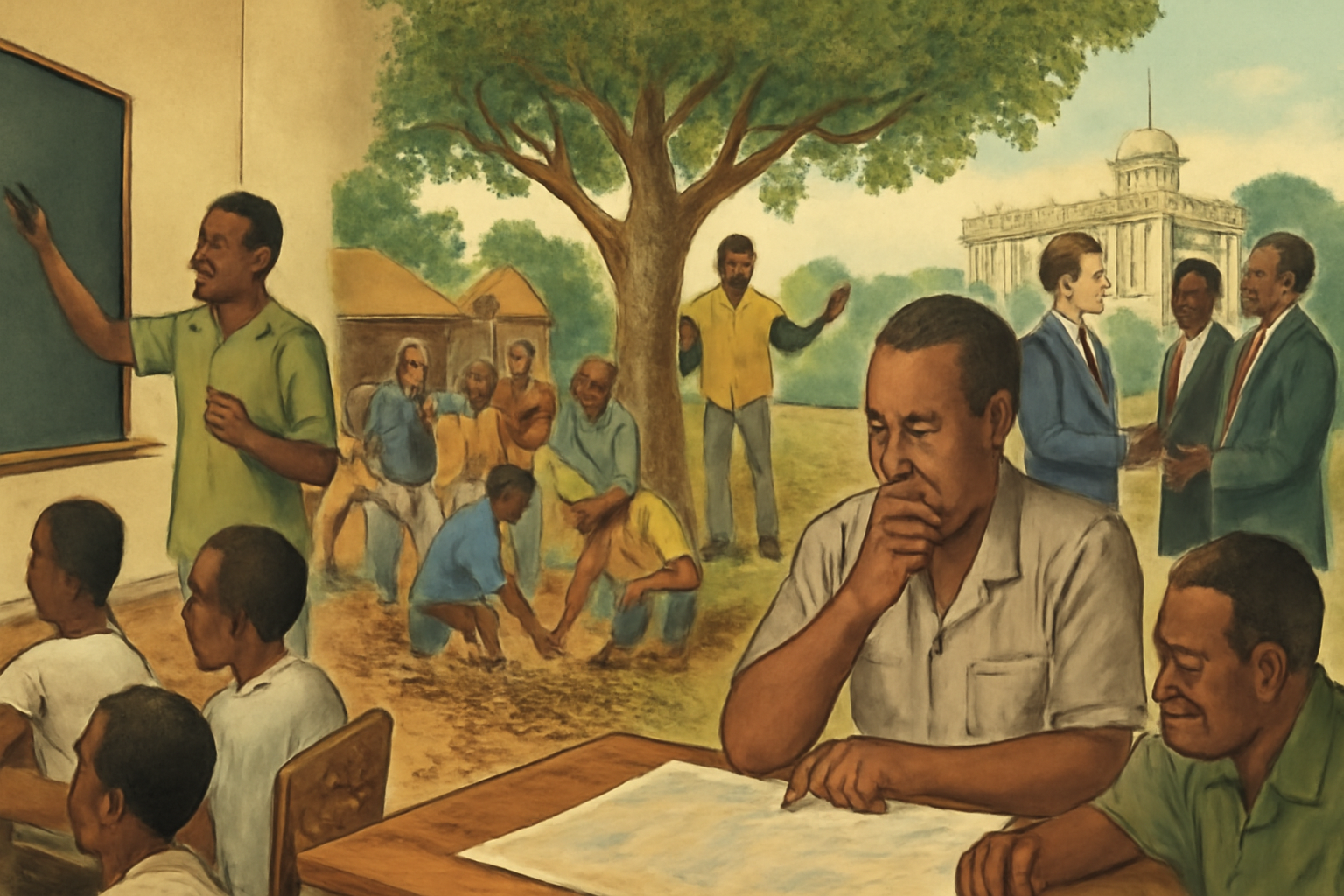
Julius Nyerere led Tanganyika to independence and became a major voice for African socialism, self-reliance, and Pan-African diplomacy.
Jomo Kenyatta became a central figure in Kenyan nationalism, independence politics, and the postcolonial state after British rule.
Patrice Lumumba was Congo's first prime minister and became a symbol of decolonization, Cold War pressure, and anti-colonial martyrdom.
Ahmed Ben Bella was a leader of Algeria's independence movement and became the country's first president after French rule.
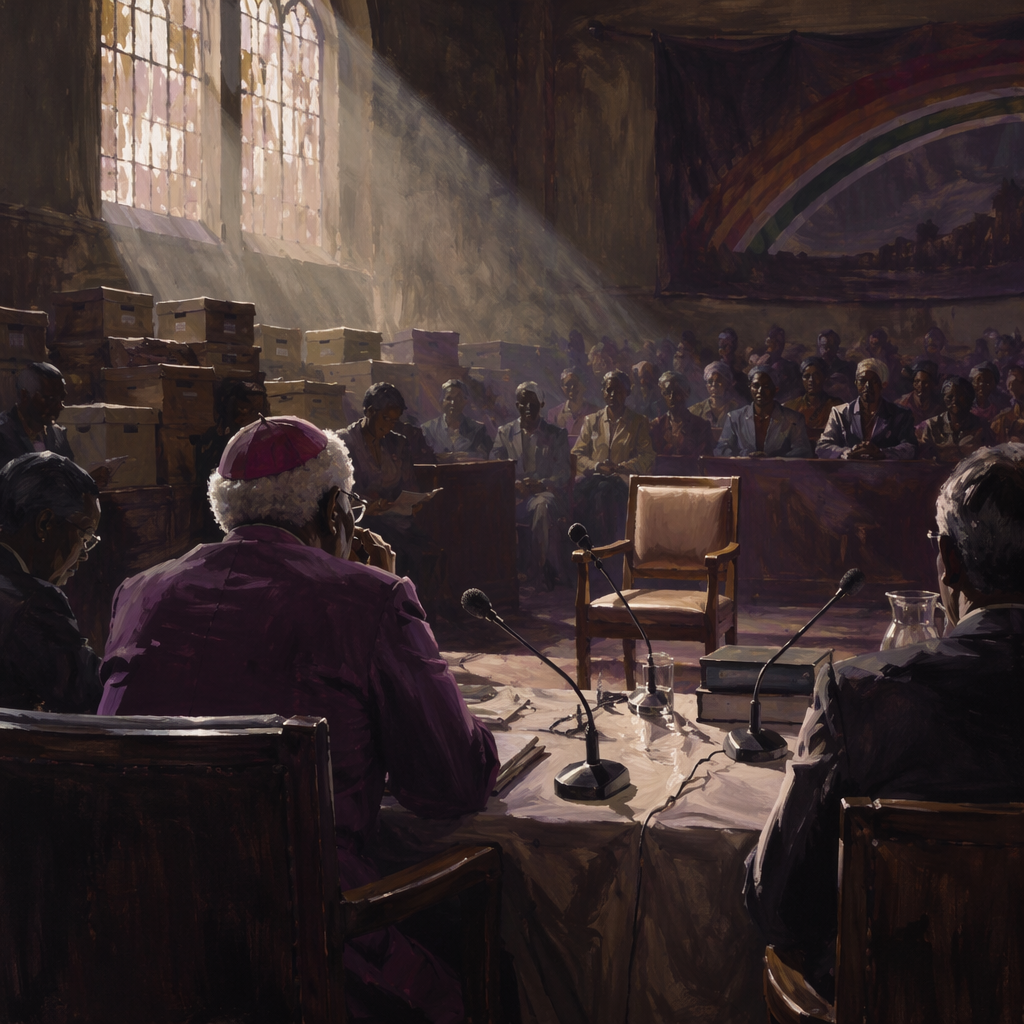
Desmond Tutu became a global anti-apartheid voice and chaired South Africa's Truth and Reconciliation Commission.
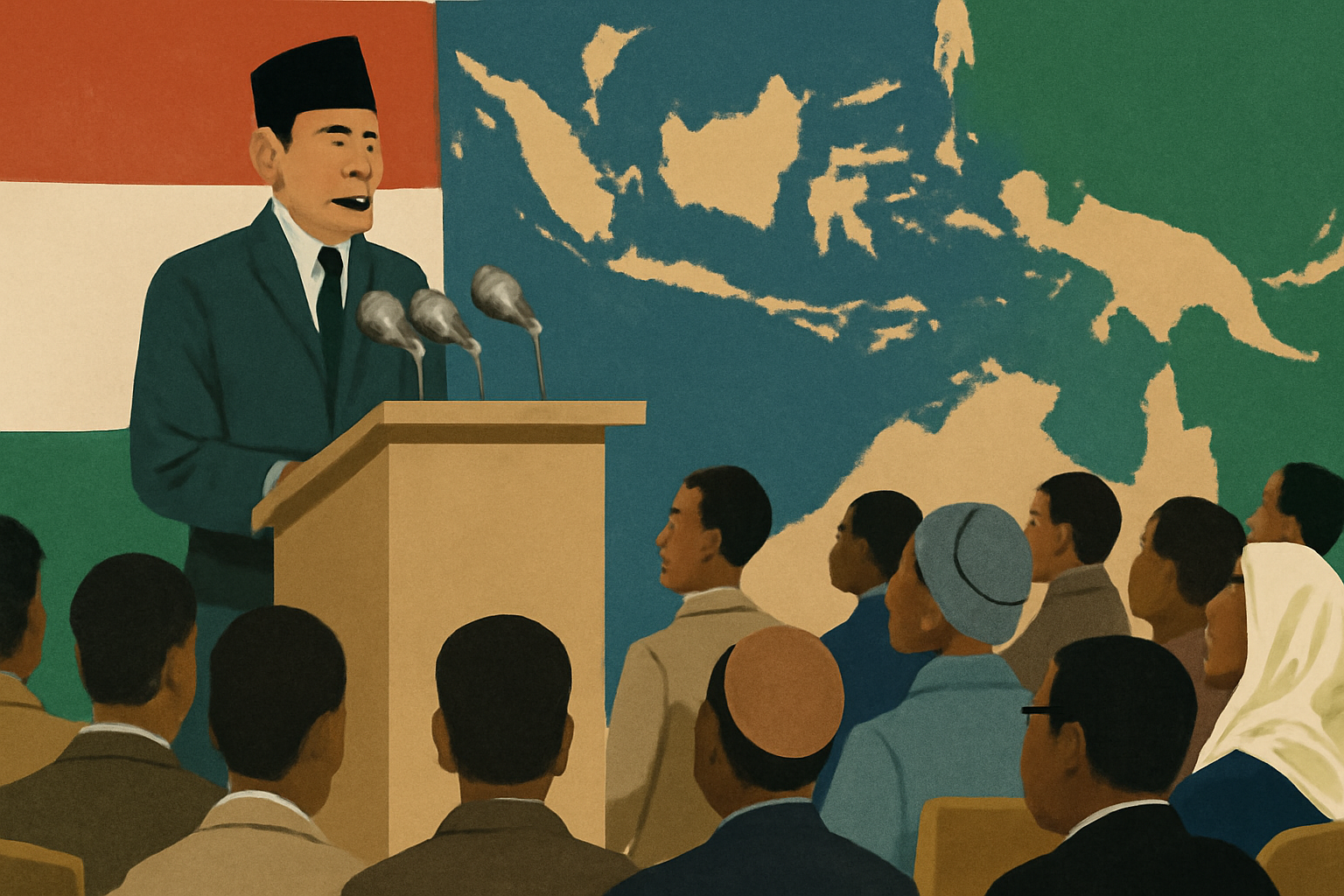
Sukarno helped proclaim Indonesian independence and became the country's first president and a major Bandung-era figure.
Prince Diponegoro led the Java War against Dutch colonial power and became a major figure in Indonesian historical memory.
Emilio Aguinaldo led revolutionary and early republican politics during the Philippine struggle against Spanish and then American power.
Jose Rizal's writing and execution made him a central figure in Filipino nationalism and the memory of anti-colonial reform.
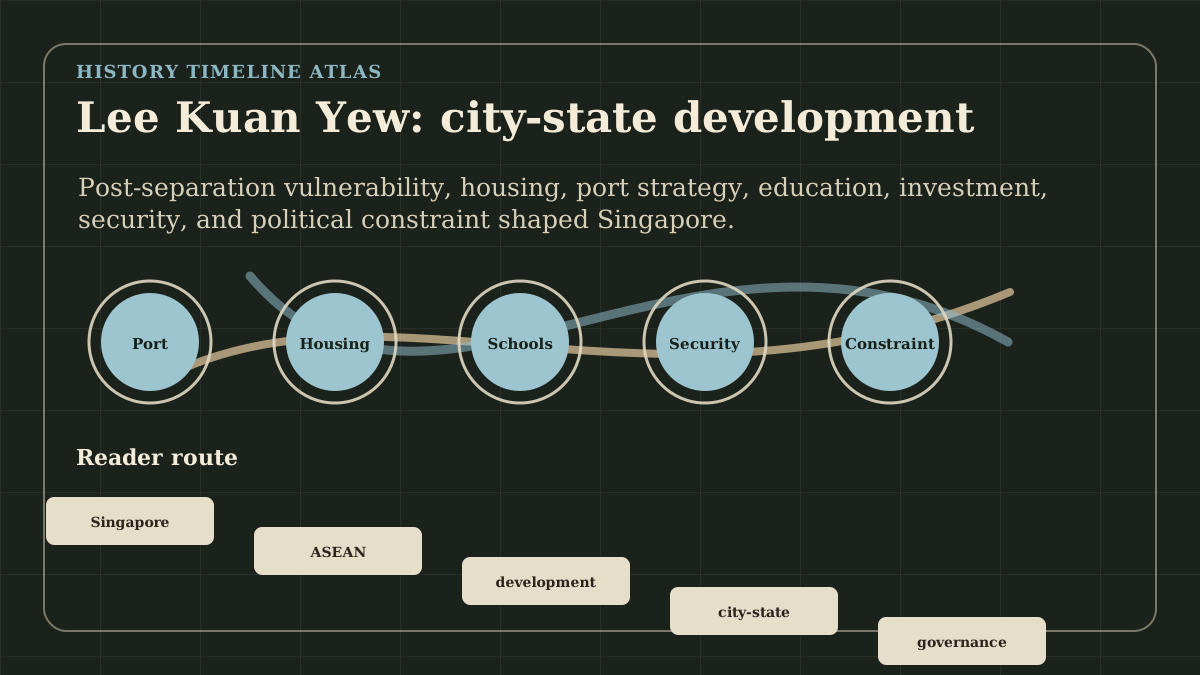
Lee Kuan Yew led Singapore through independence-era state-building and regional diplomacy in postcolonial Southeast Asia.
Ruhollah Khomeini led the revolutionary movement that overthrew the Pahlavi monarchy and founded Iran's Islamic Republic.
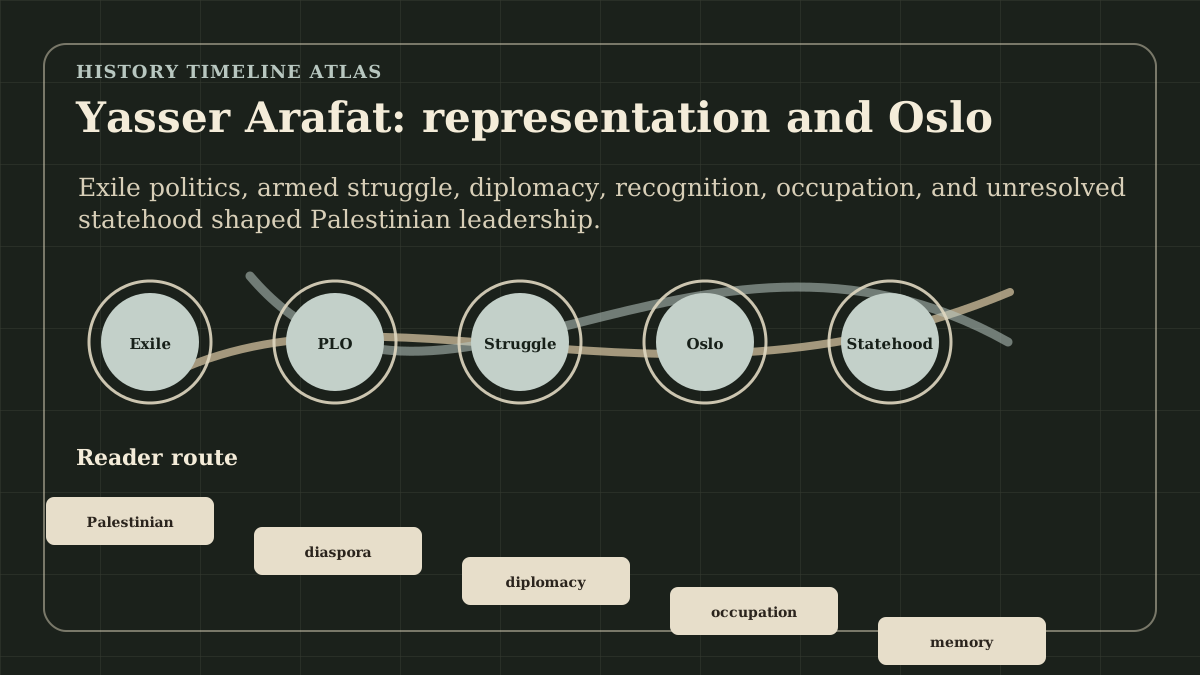
Yasser Arafat led the Palestine Liberation Organization and became central to Palestinian nationalism and the Oslo peace process.
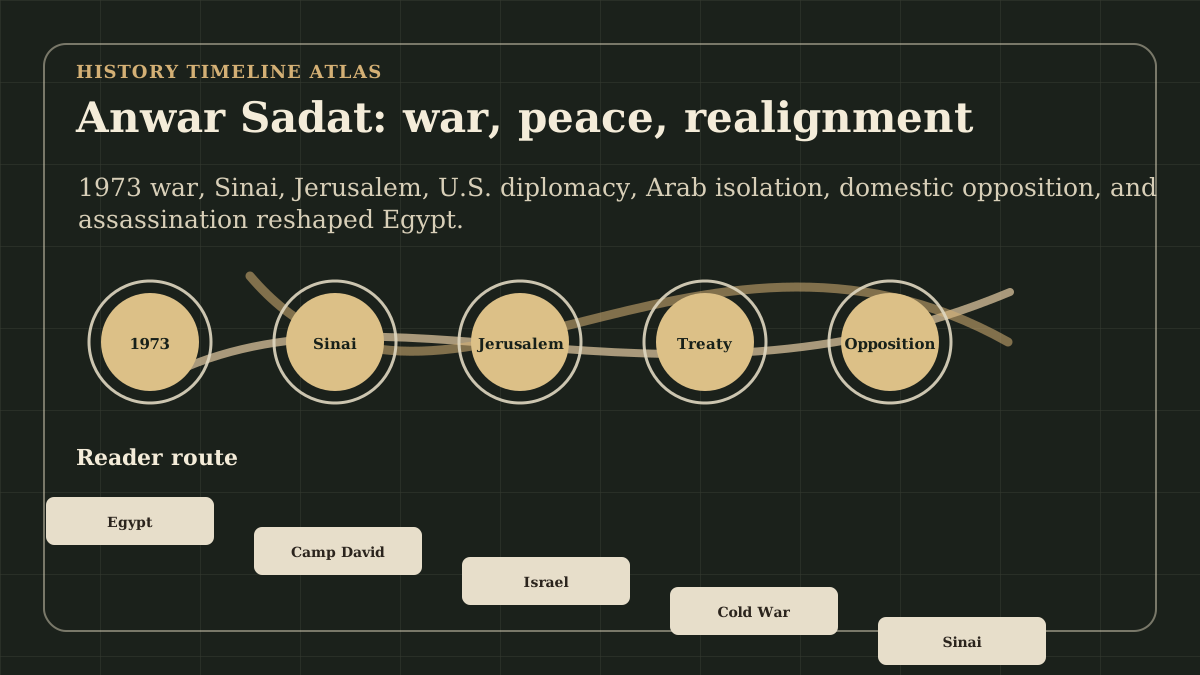
Anwar Sadat led Egypt through the 1973 war era and later peace diplomacy that reshaped Middle Eastern politics.
Agostinho Neto led the MPLA and became Angola's first president after independence from Portugal.
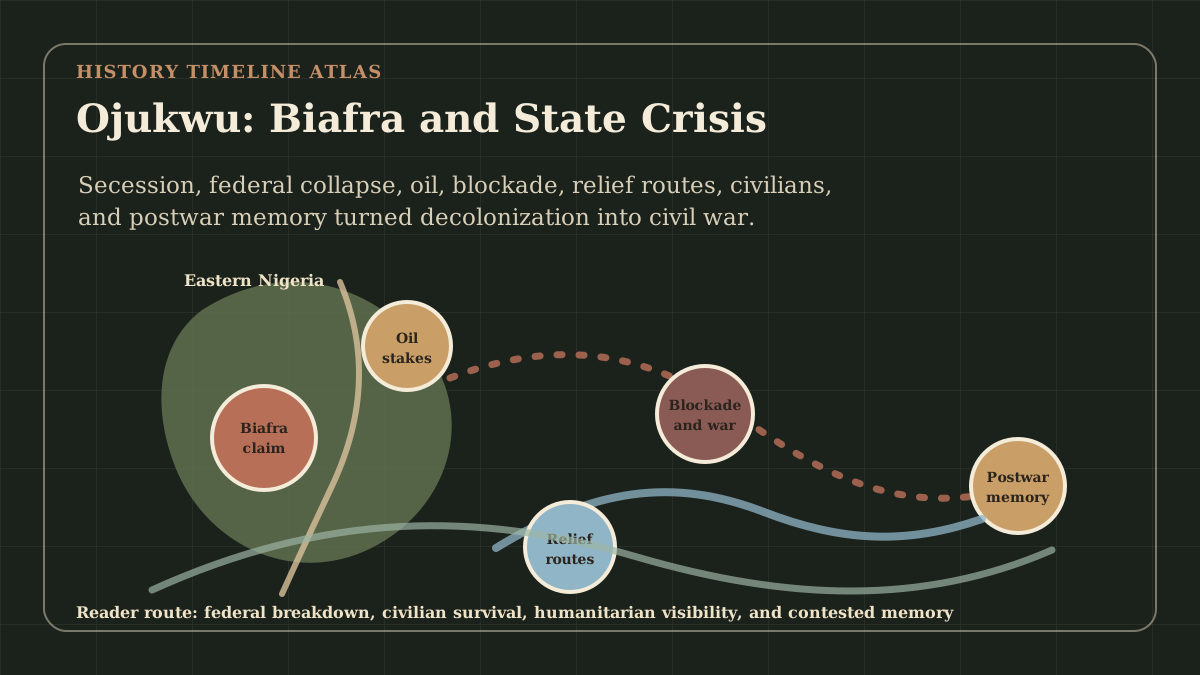
Chukwuemeka Odumegwu Ojukwu led Biafra during the Nigerian Civil War and became central to the memory of secession and famine.
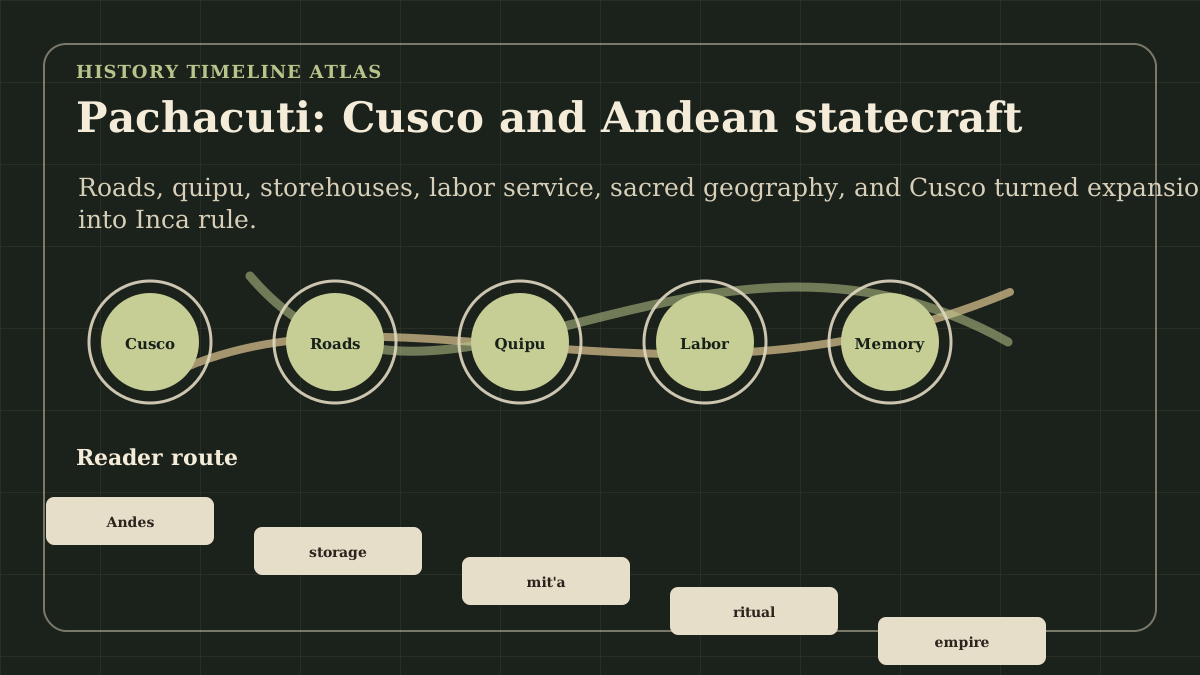
Pachacuti transformed Cusco-centered rule into a rapidly expanding Andean empire.
Atahualpa was the Inca ruler captured by Spanish forces during the crisis that broke Inca imperial power.
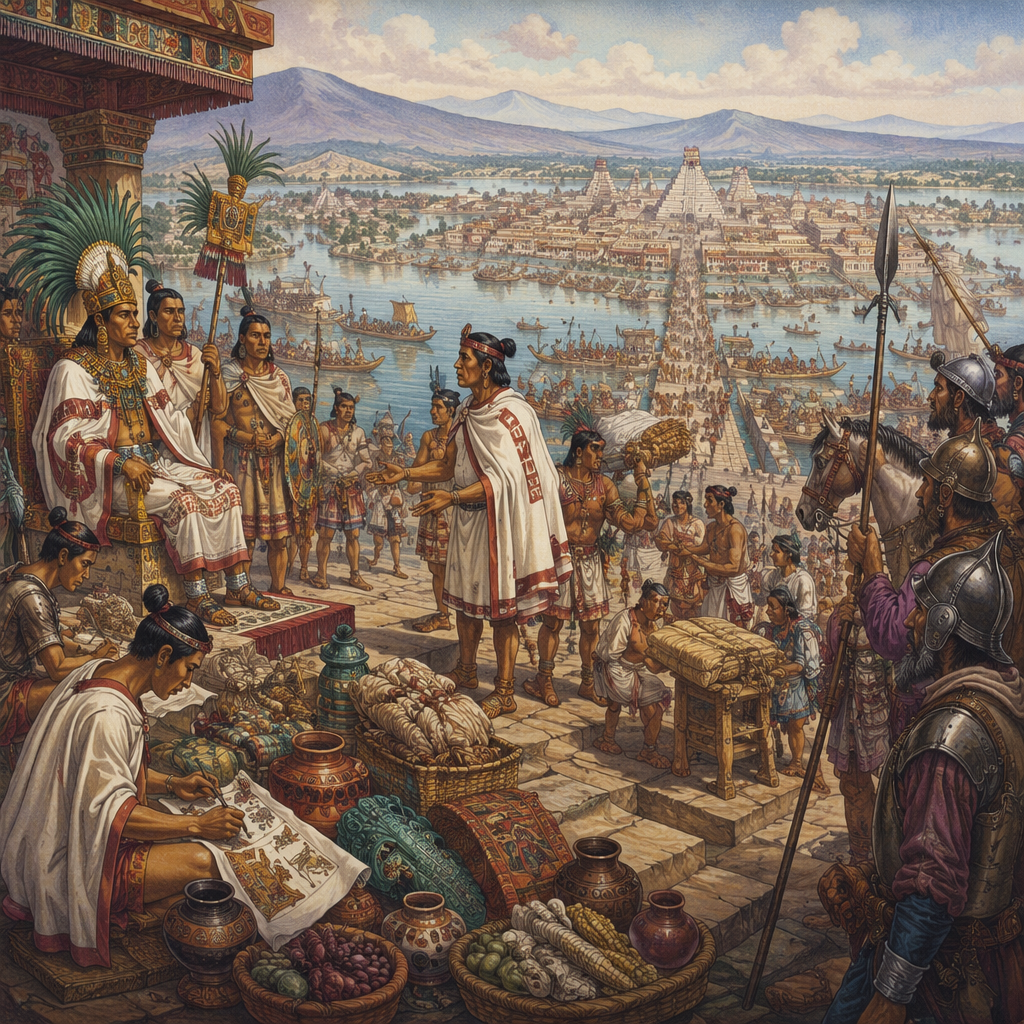
Moctezuma II ruled the Aztec Empire as Spanish invasion, alliance politics, and disease transformed central Mexico.
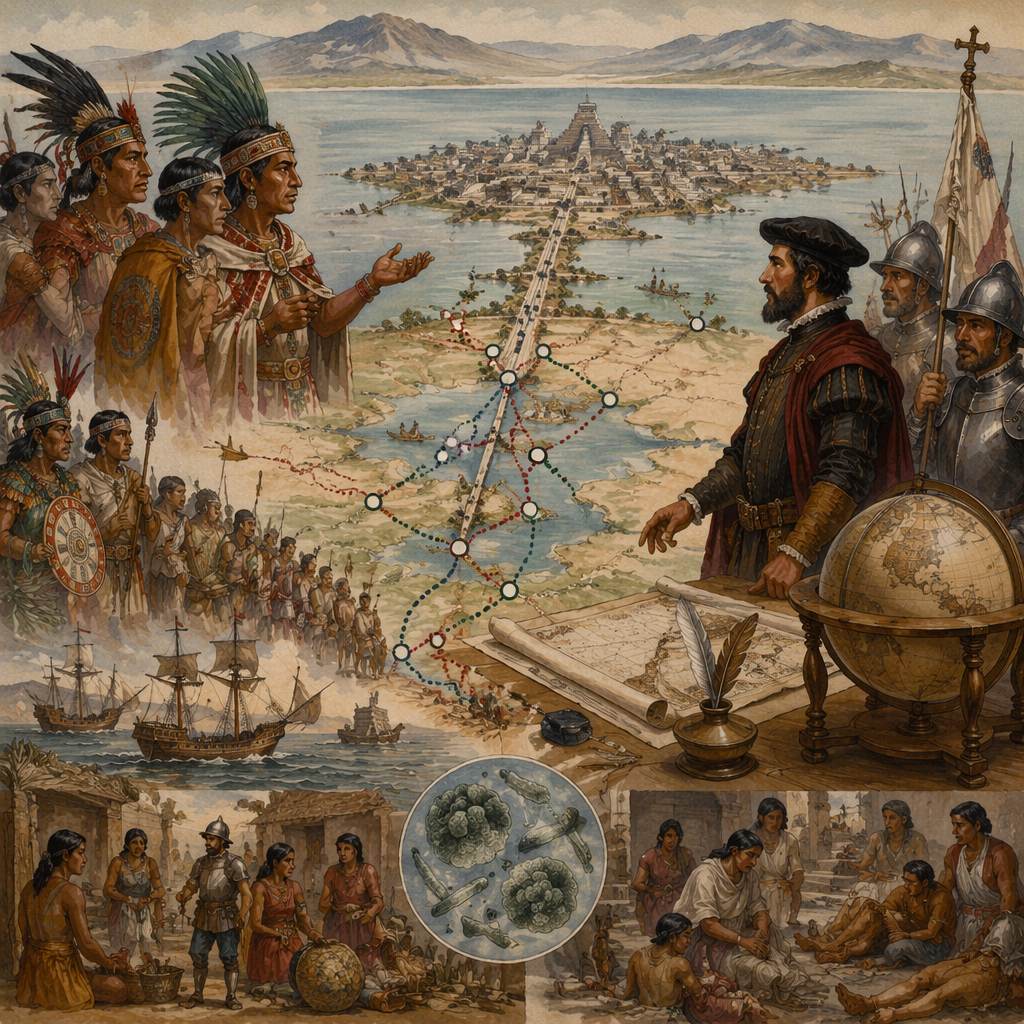
Cortes led the expedition that, with Indigenous allies and epidemic disruption, overthrew Aztec imperial power.
Po'pay helped organize the Pueblo Revolt against Spanish colonial and missionary power in New Mexico.
James Somerset's legal case became a major reference in British antislavery politics.
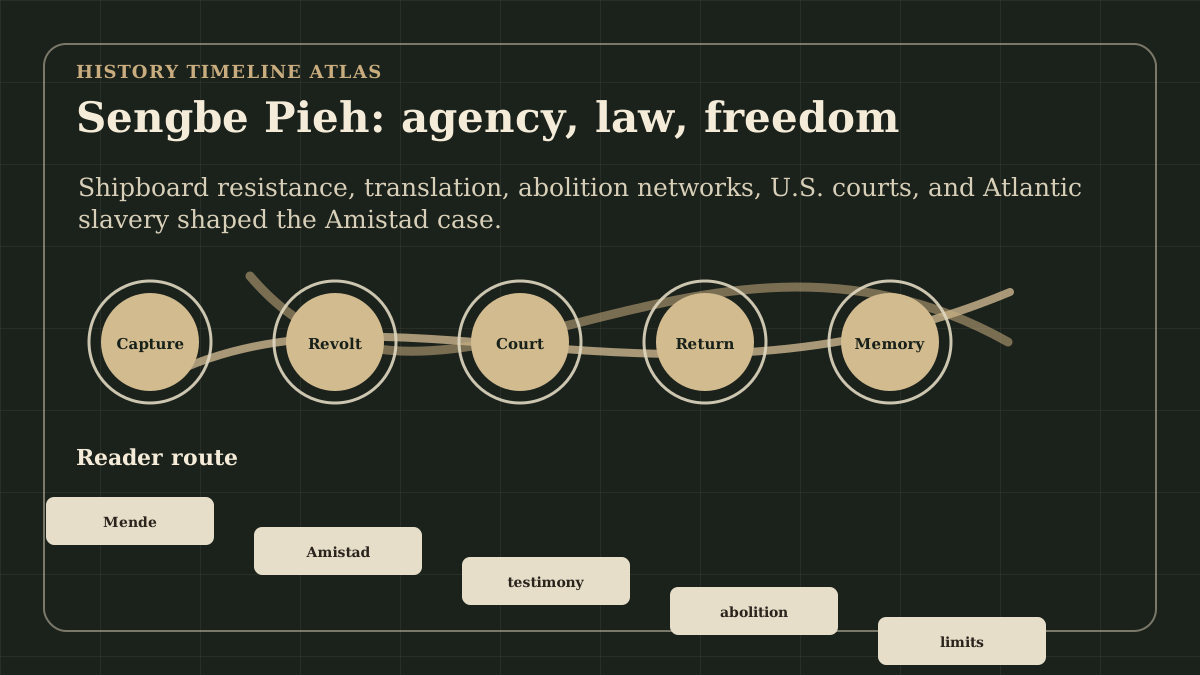
Sengbe Pieh was among the Africans who resisted illegal captivity aboard the Amistad.
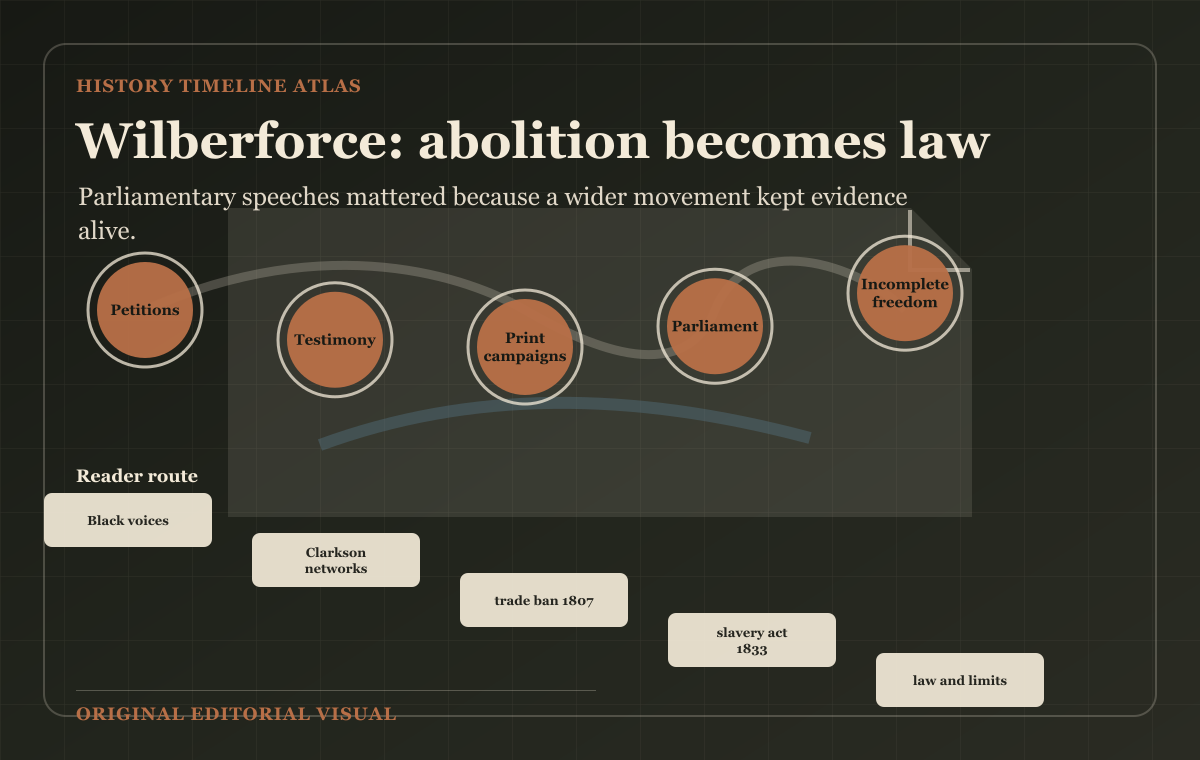
Wilberforce became a prominent parliamentary voice in the British campaign against the slave trade.
Tupac Amaru II led a major rebellion against Spanish colonial demands in the Andes.
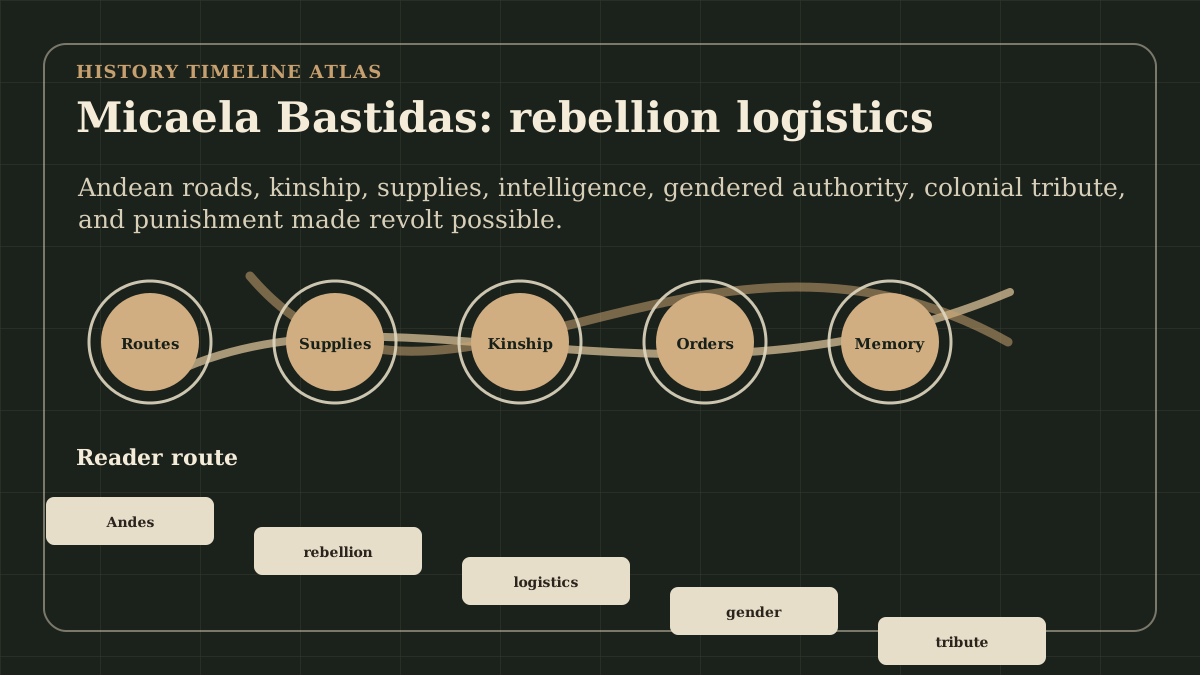
Micaela Bastidas helped organize the Tupac Amaru II rebellion and became a symbol of Andean resistance.
Bolivar led campaigns that helped create independent states in northern South America.
San Martin led campaigns across the Andes and toward Peru as part of South American independence.
Miguel Hidalgo's call at Dolores helped launch the Mexican independence struggle.
Jose Marti became a central figure in Cuban independence politics and anti-colonial memory.
Allende led Chile's elected socialist government until the 1973 military coup.
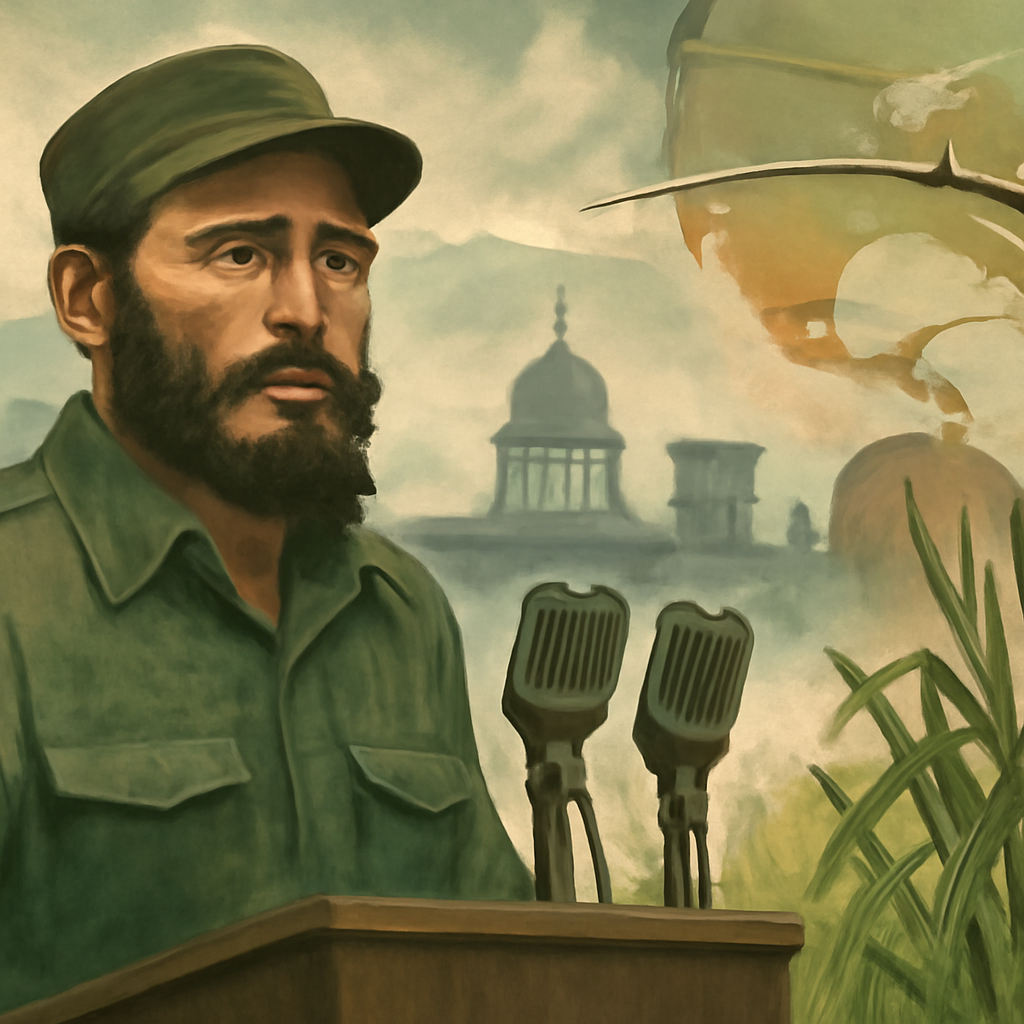
Castro led the Cuban Revolution and became one of the Cold War's most consequential Latin American figures.
Kamehameha I unified the Hawaiian Islands and founded the Hawaiian Kingdom.
Liliuokalani was Hawaii's last reigning monarch and a central figure in Hawaiian sovereignty memory.
Michael Somare helped guide Papua New Guinea to independence and became a foundational national leader.
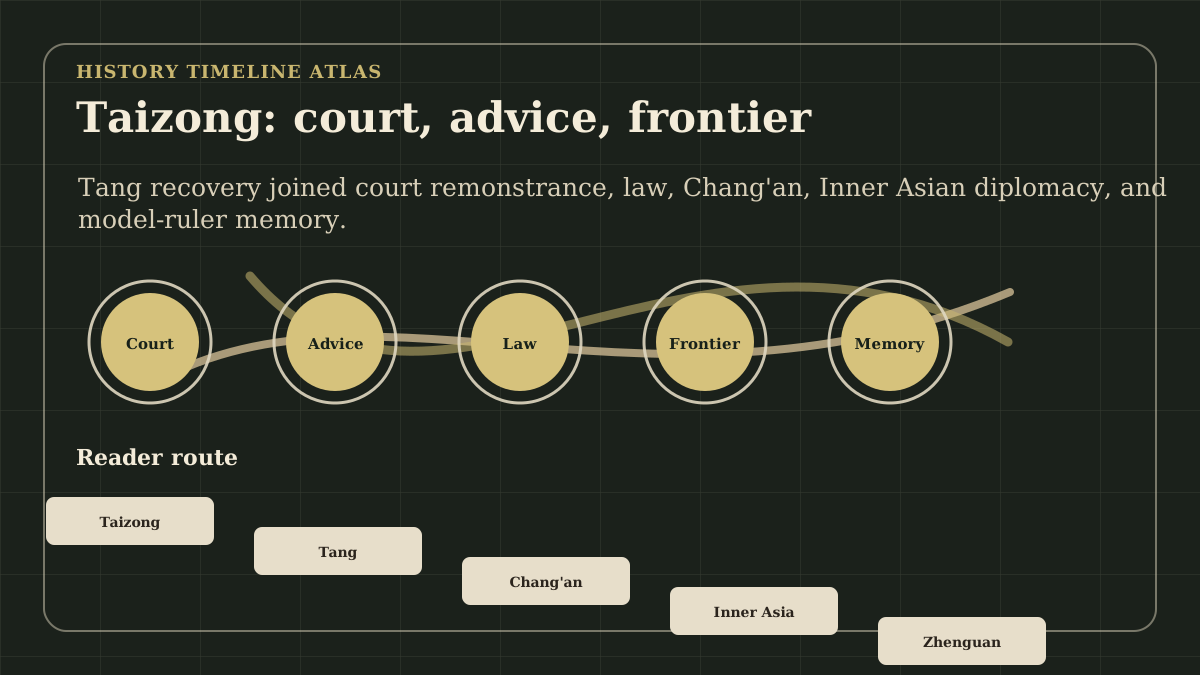
Taizong helped consolidate the Tang dynasty and became a model of imperial rulership in Chinese political memory.
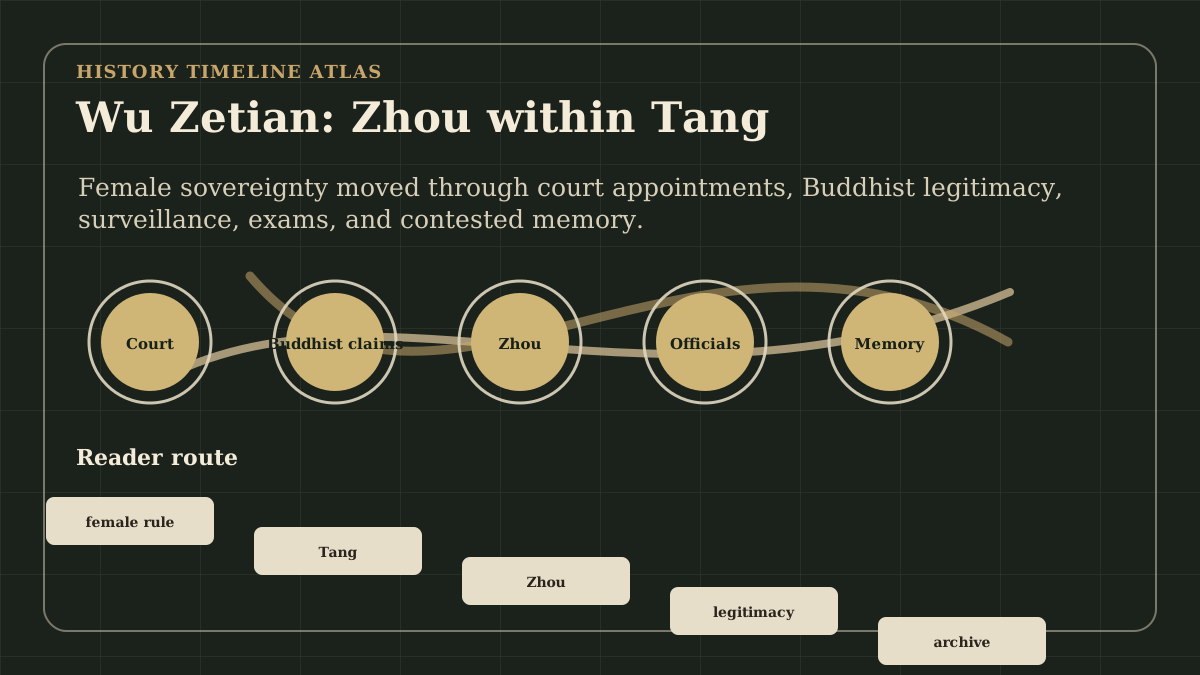
Wu Zetian ruled in her own name and remains one of the most debated figures in Chinese imperial history.
Zhu Yuanzhang rose from rebellion to found the Ming dynasty after Yuan collapse.
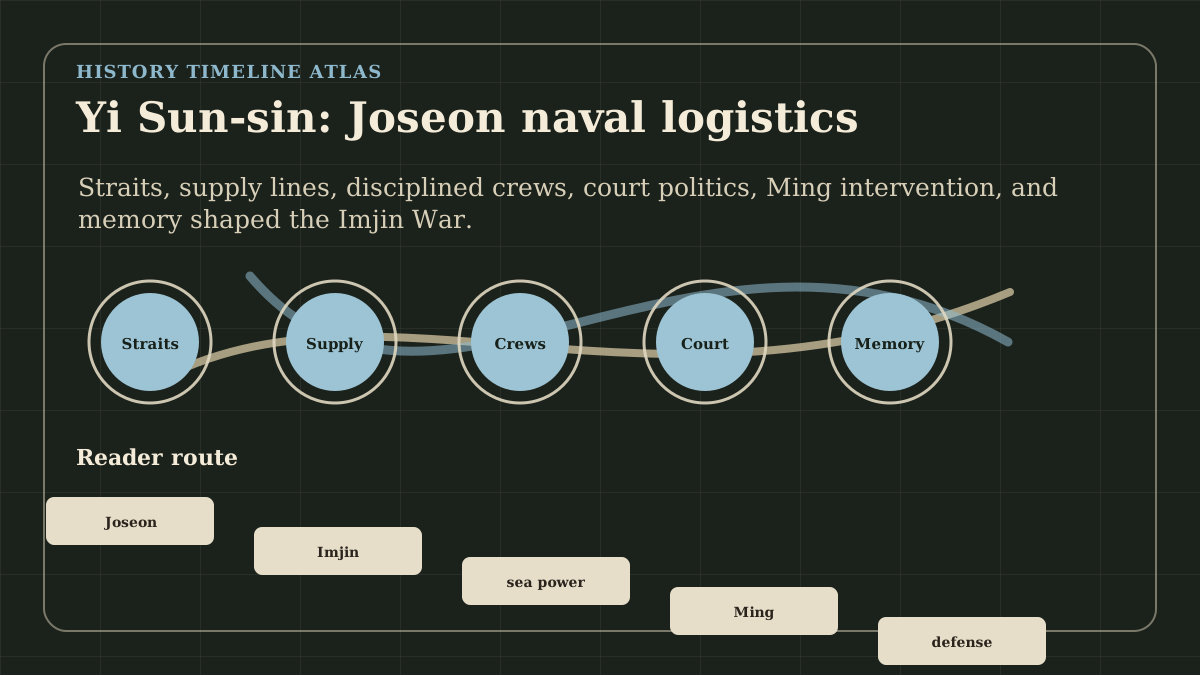
Yi Sun-sin became famous for naval resistance during the Imjin War.
Deng Xiaoping was central to China's reform and opening after the Mao era.
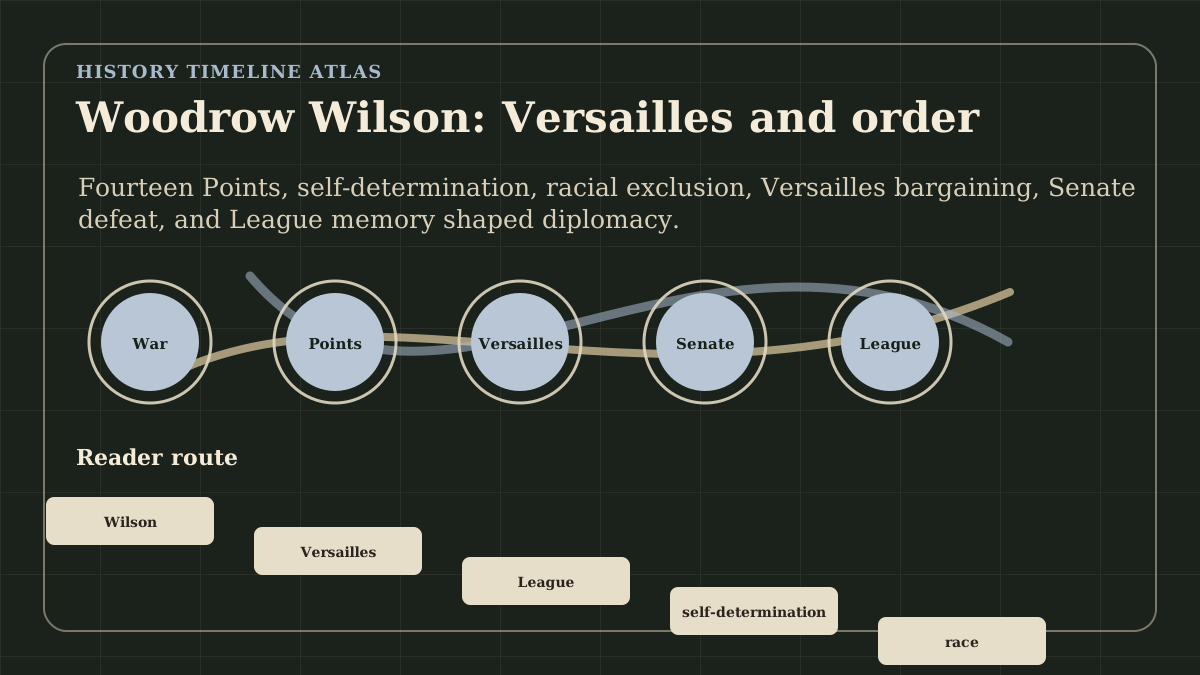
Woodrow Wilson linked U.S. wartime diplomacy to the Fourteen Points, the Treaty of Versailles, and the League of Nations vision after World War I.
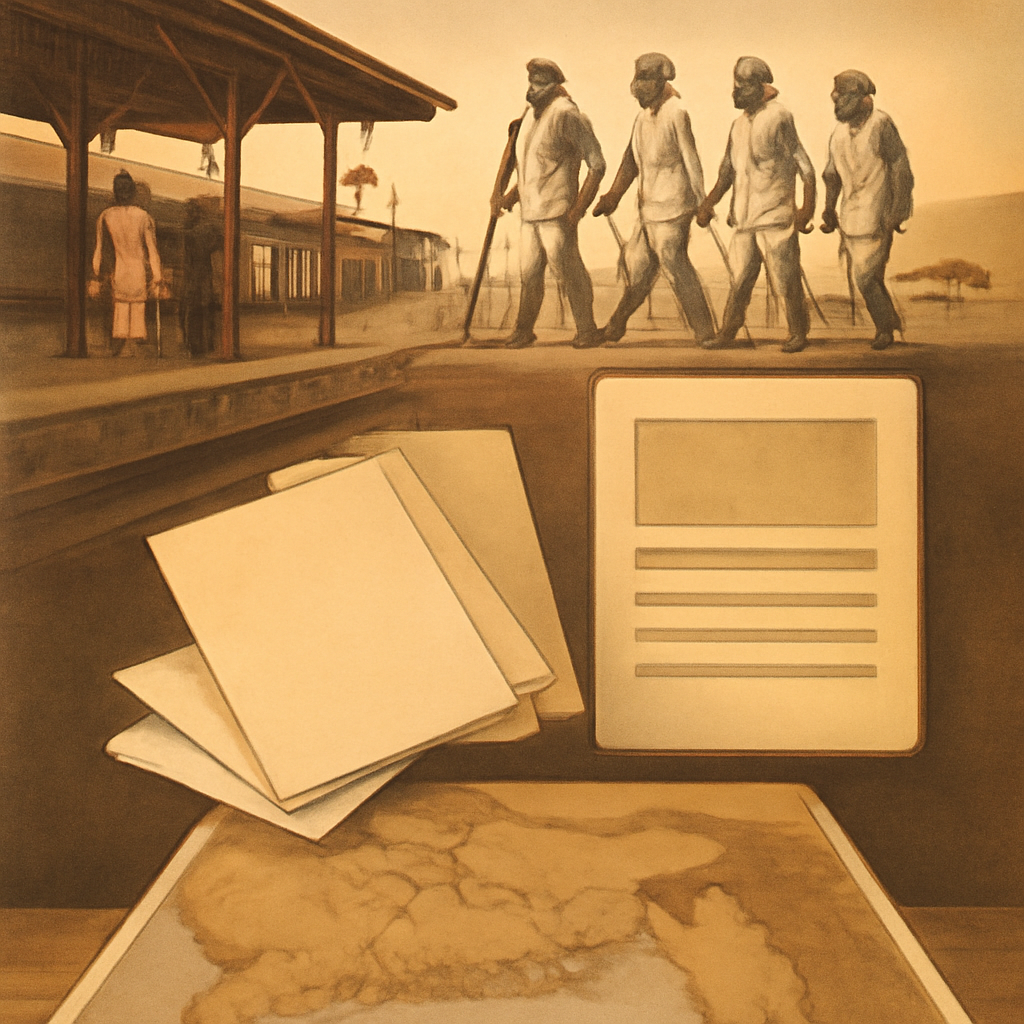
Mahatma Gandhi made nonviolent mass politics central to the Indian independence struggle and influenced later civil-rights movements.
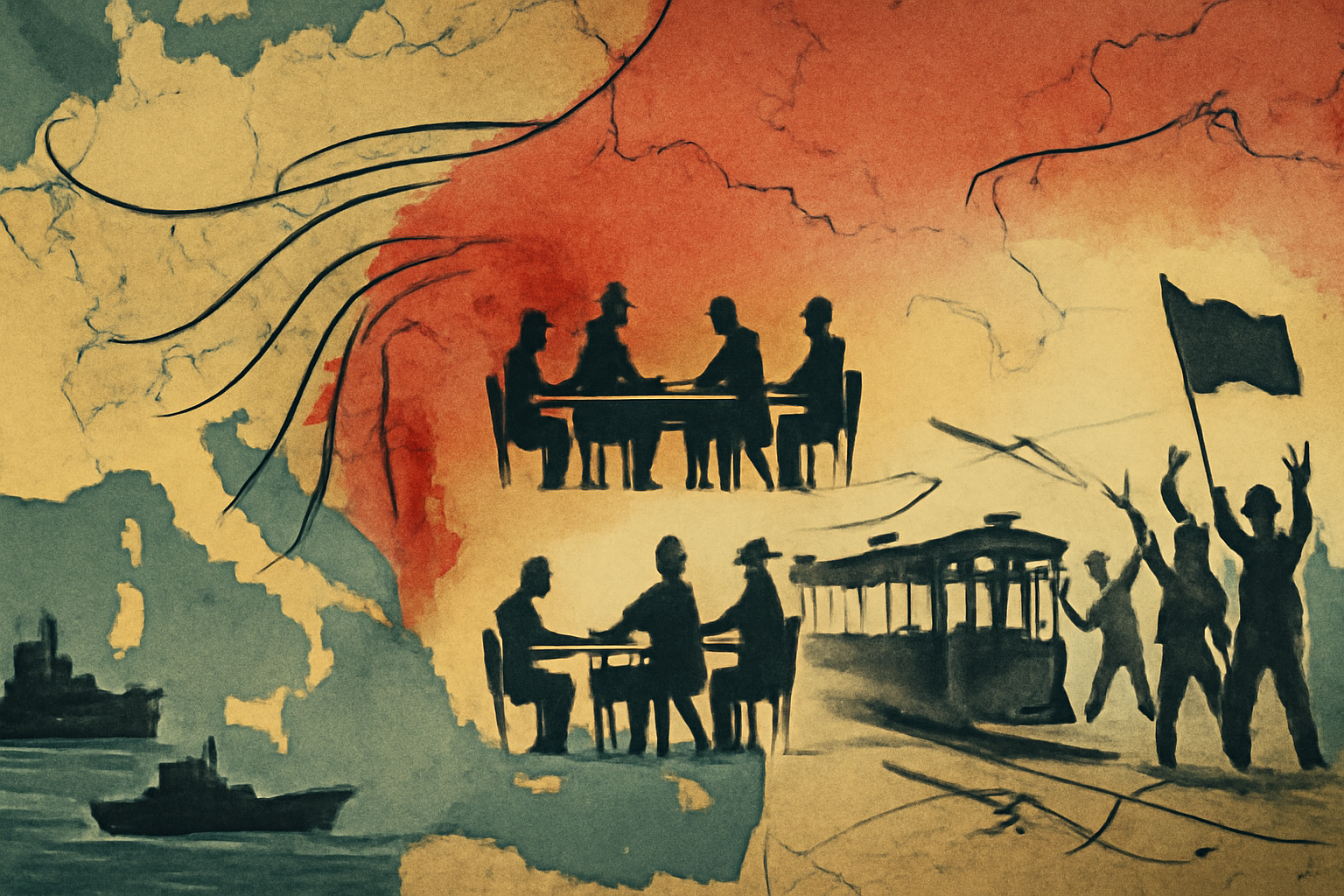
Gamal Abdel Nasser became a central figure in Arab nationalism, the Suez Crisis, and nonaligned politics after European imperial power weakened.
W. E. B. Du Bois connected Black freedom struggles in the United States to Pan-African politics, anti-colonial thought, and global racial justice.