Ancient Empires and City-States
Follow how city-states, conquest states, and early empires turned military success into institutions, law, and political memory.
22 events1 timeline links
Topic Routes
Follow connected routes through events that share causes, pressures, institutions, and consequences.
Follow how city-states, conquest states, and early empires turned military success into institutions, law, and political memory.
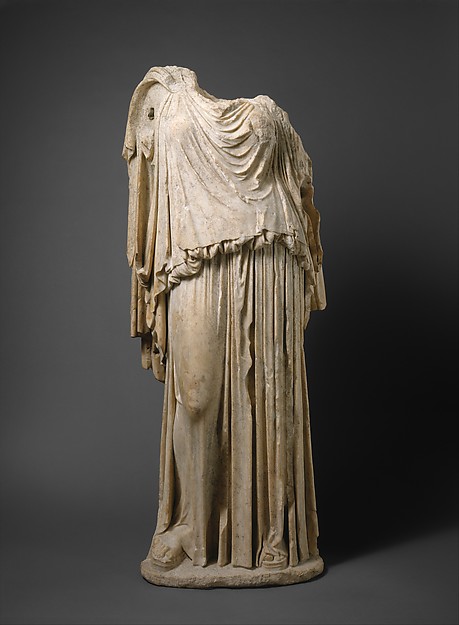
Read the Roman Empire as a civilization hub about republican collapse, imperial government, Mediterranean geography, law, cities, religion, frontier pressure, and the afterlife of Roman power.
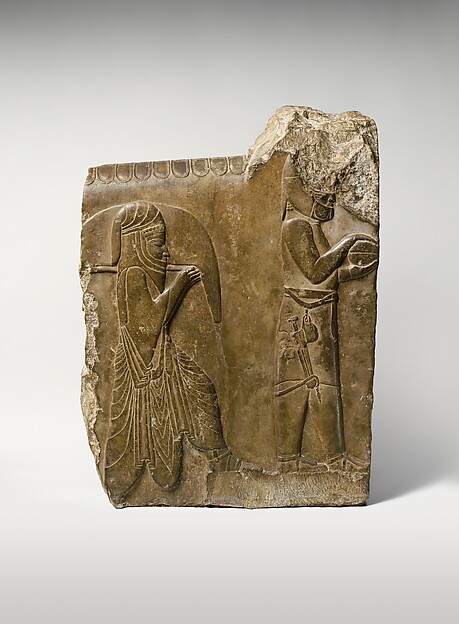
Use Achaemenid Persia as a civilization hub for imperial administration, royal roads, satrapies, conquered cities, Greek resistance, Alexander's invasion, and Persian imperial memory.
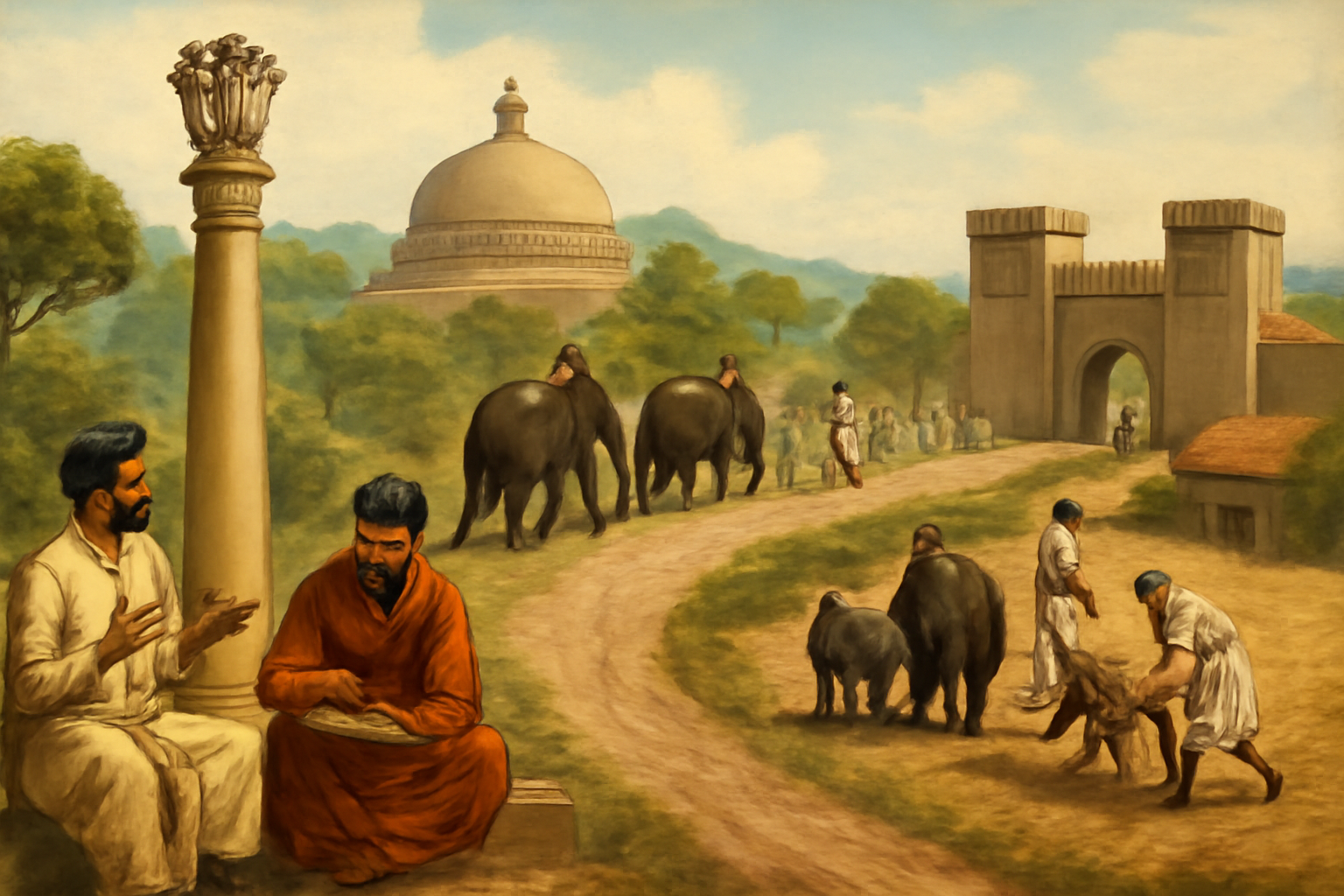
Read the Maurya Empire as a South Asian civilization hub about Magadha, Chandragupta Maurya, imperial consolidation, Ashoka, Buddhist patronage, inscriptions, and later political memory.
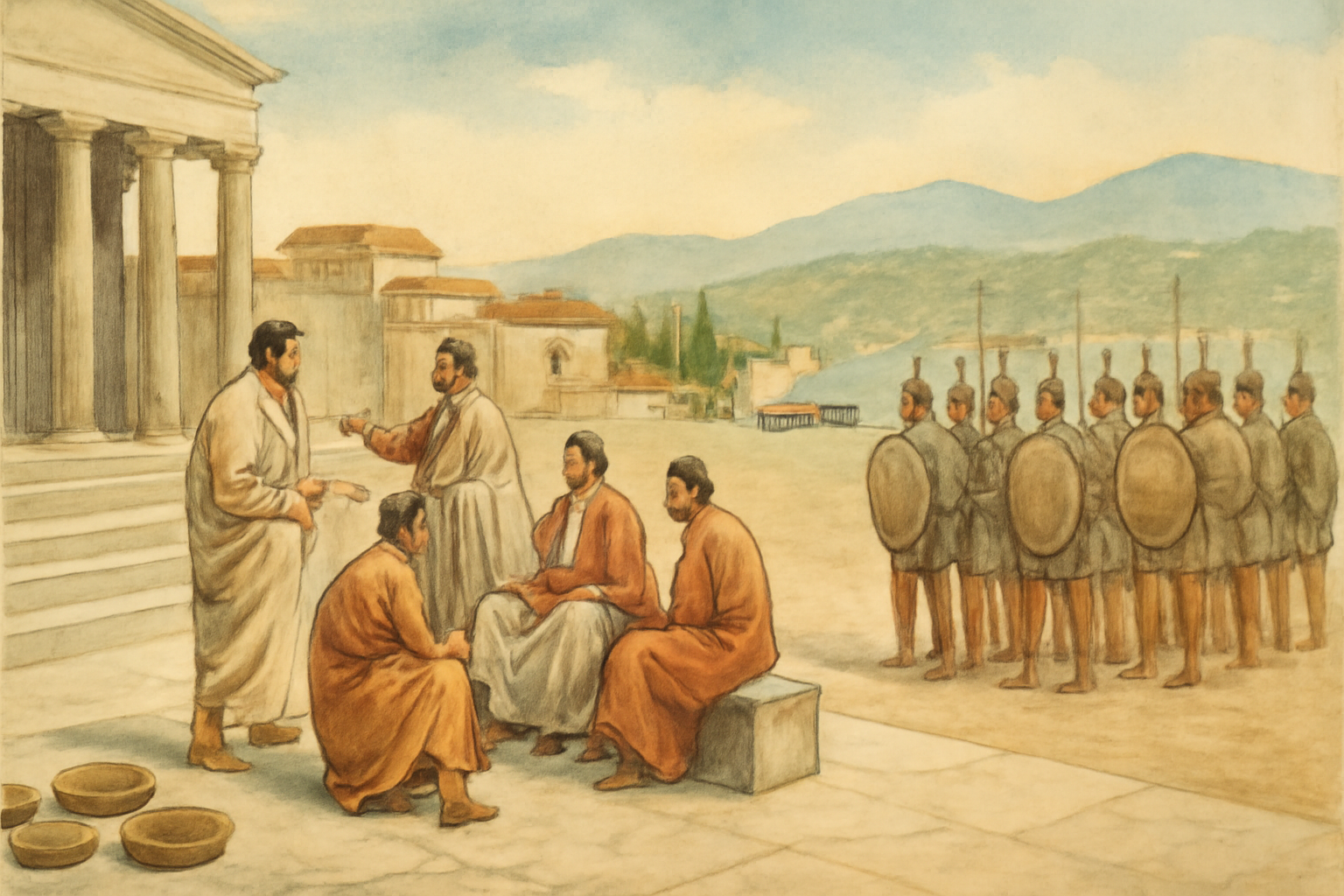
Follow Greek city-states as a civilization hub about the polis, Athens and Sparta, reform, hoplite warfare, Persian invasion, alliance politics, civil conflict, and Hellenistic afterlives.
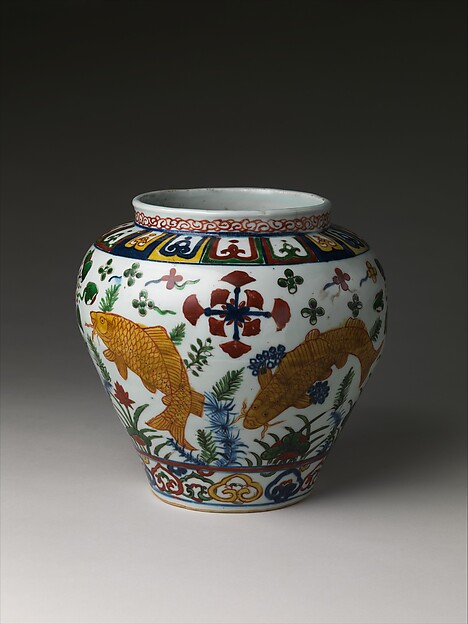
Follow the Han Dynasty as an East Asian civilization hub about Qin inheritance, dynastic legitimacy, Confucian learning, frontier strategy, Silk Road knowledge, court politics, and long imperial memory.
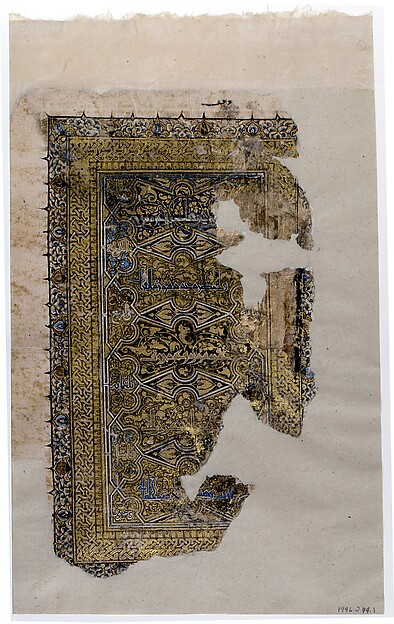
Trace the movement from revelation and migration to community formation, military survival, and caliphal power across Eurasia.
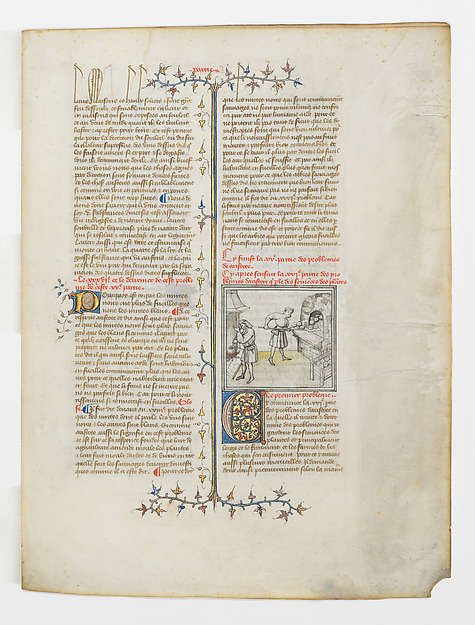
Connect coronations, invasions, charters, epidemics, and sieges to see how medieval authority was claimed, resisted, and remembered.

Read the Atlantic, Mediterranean, and Asian contact zones as linked histories of navigation, conquest, trade, and coercion.
Compare revolutions across the Atlantic world, Europe, Russia, and South Asia through rights claims, state collapse, and new national projects.
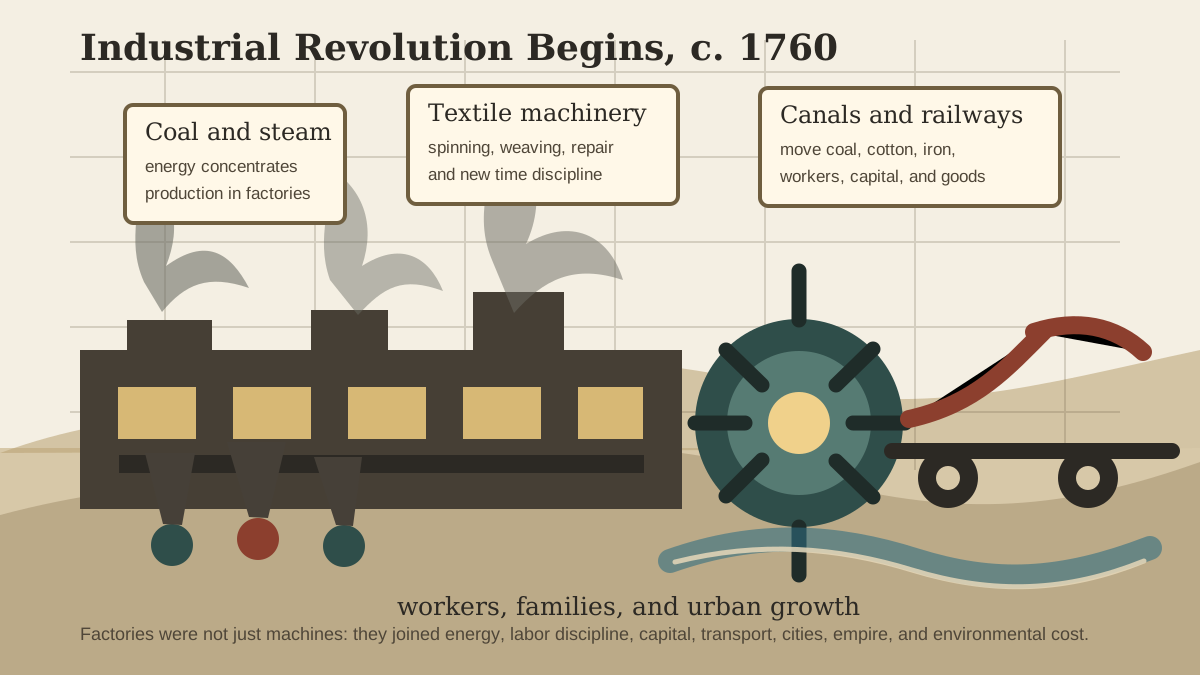
Follow machines, canals, finance, trade pressure, and imperial bargaining as industrial power reshaped global relationships.
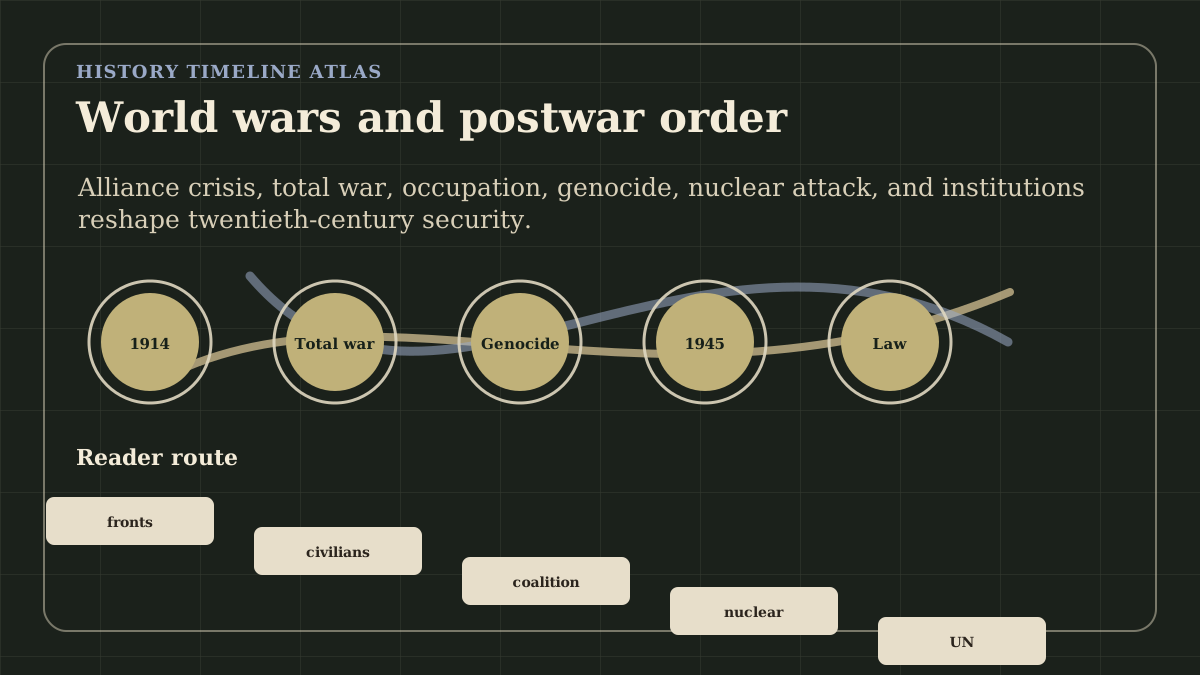
Move from the crisis of 1914 through fascism, total war, nuclear attack, and the institutions built to manage the postwar world.

Connect ideological rivalry, nuclear danger, decolonization, space technology, terrorism, protest, and public health into one modern route.
Follow how new ways of knowing, measuring, communicating, healing, and building changed what states, markets, and ordinary people could do.
Move through revelation, councils, schisms, reformations, religious wars, and intellectual shifts that changed authority and public life.
Read trade routes, voyages, companies, pandemics, and public-health shocks as one connected history of movement and vulnerability.
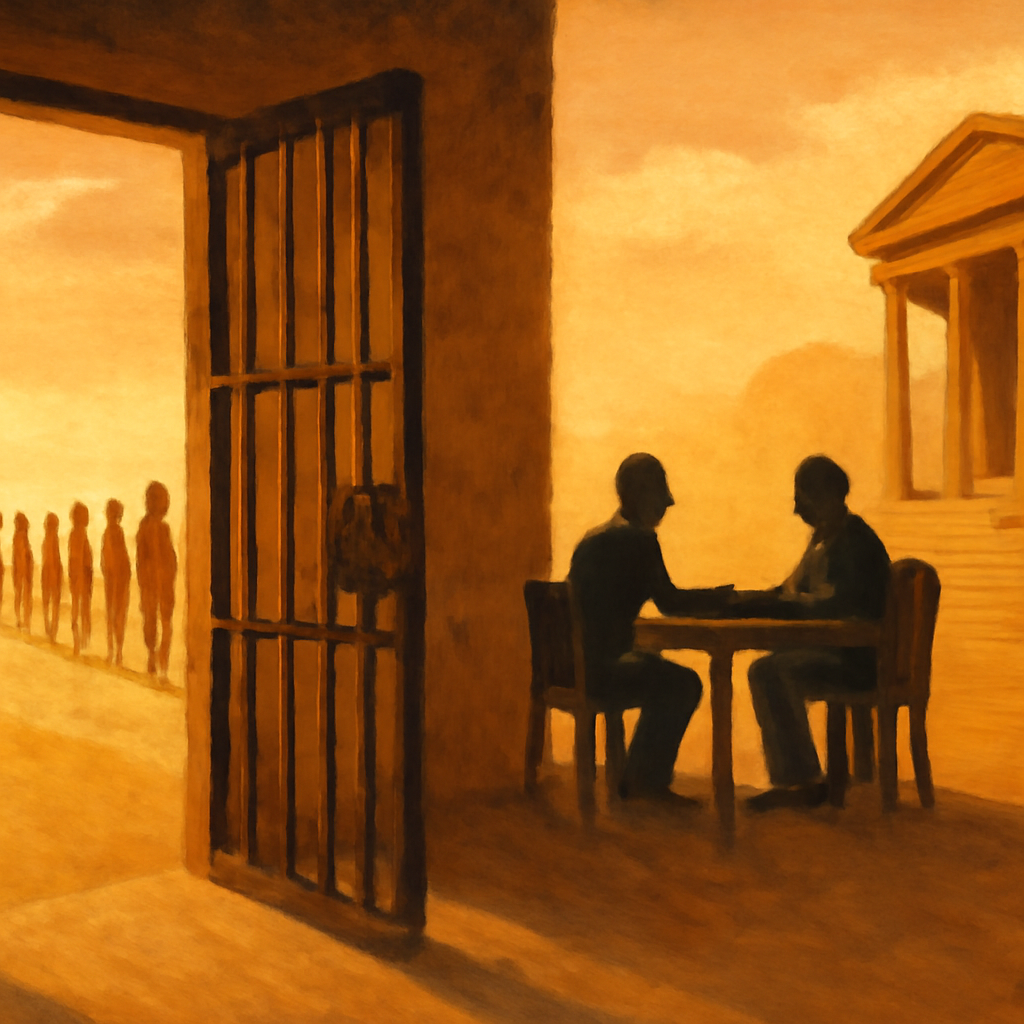
Compare movements for abolition, suffrage, civil rights, labor, national independence, democracy, and anti-apartheid transition.
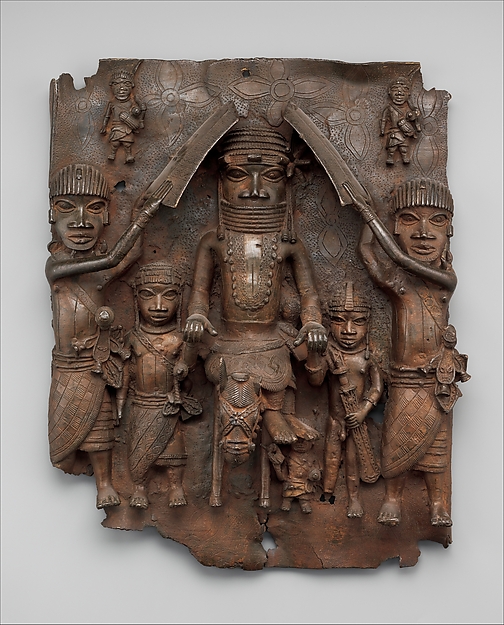
Read African history through Nile Valley kingdoms, Sahelian empires, Swahili and southern trade, Atlantic violence, anti-colonial resistance, Pan-African politics, and postwar independence.
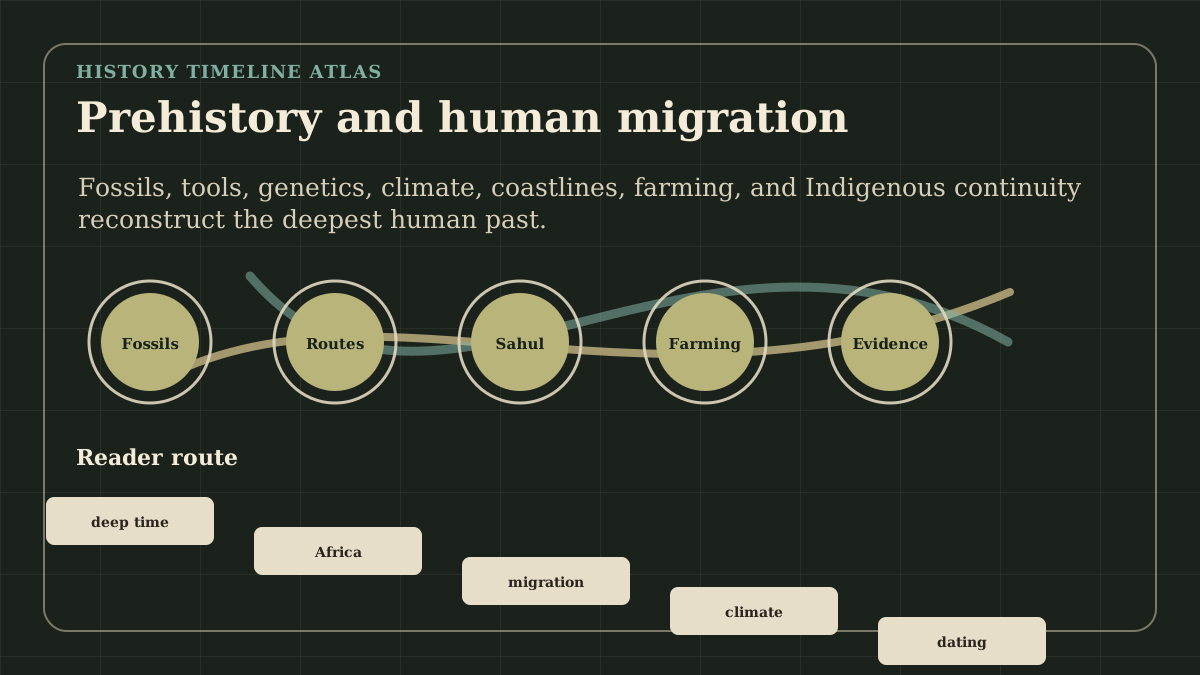
Begin world history with deep time: human origins in Africa, migration into new environments, First Peoples in Australia, farming transitions, and the evidence that survives before writing.
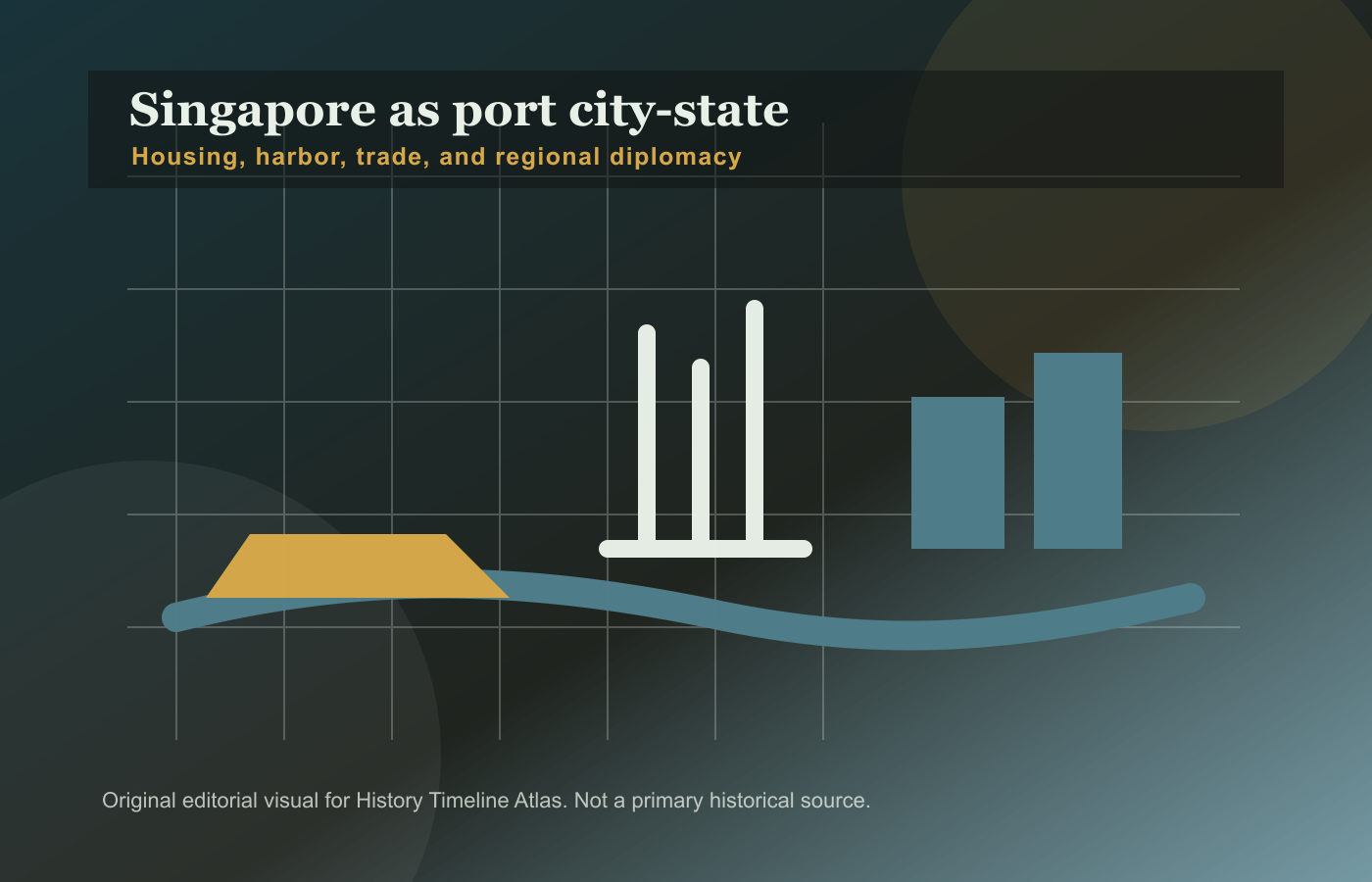
Read Southeast Asia through river deltas, straits, bronze cultures, port-polities, Buddhist and Islamic networks, Khmer state formation, island empires, colonial pressure, and Cold War conflict.
Follow Oceania and the Pacific through First Peoples in Australia, Lapita expansion, Polynesian navigation, Maori settlement, colonial contact, oceanic war, and island futures.
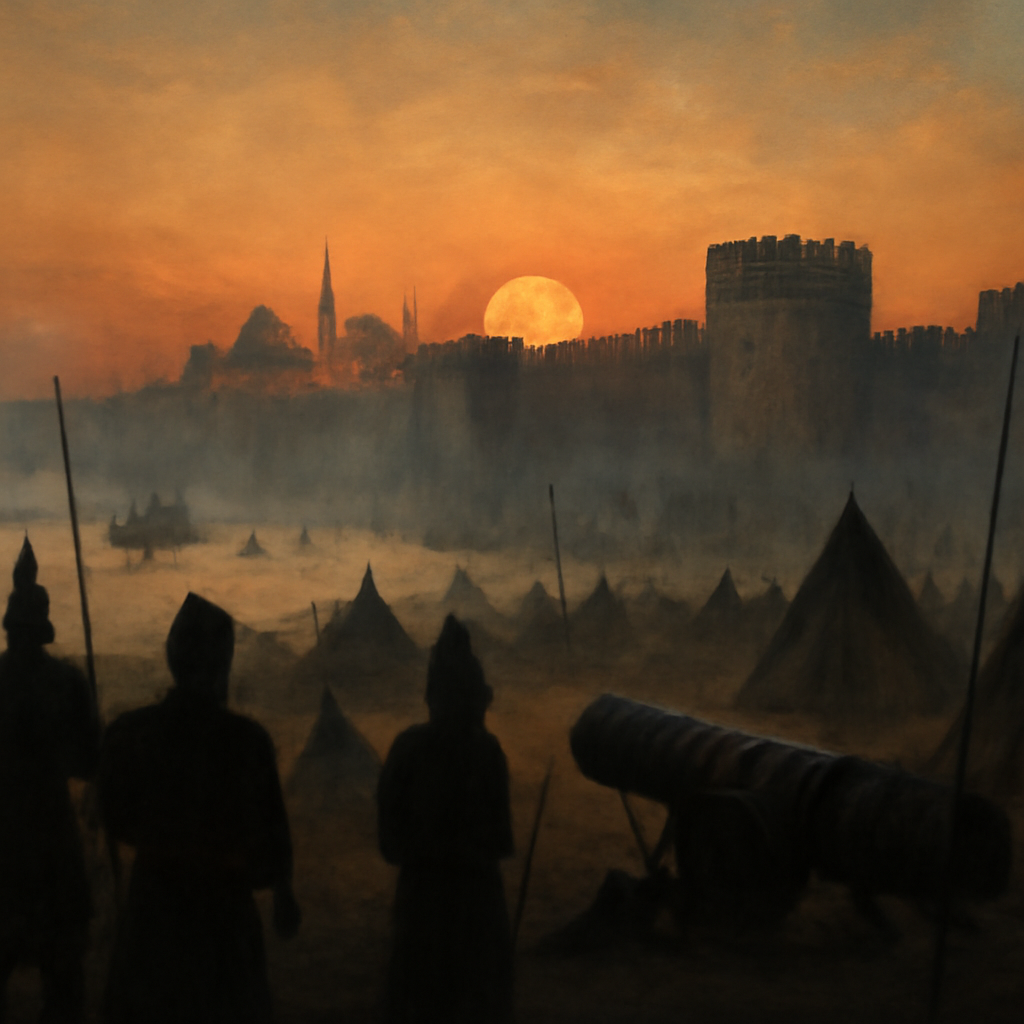
Read classical and late antique history as a connected transition from Mediterranean, Persian, South Asian, and East Asian imperial systems into Christian, Buddhist, Byzantine, Sasanian, and early Islamic worlds.
Follow the contemporary world through postwar institutions, decolonization, communist revolutions, nuclear danger, globalization, digital networks, terrorism, protest, pandemics, and climate-era politics.
Read East Asia across imperial state formation, Confucian and Buddhist worlds, Silk Road exchange, Qing crisis, Japanese industrialization, Chinese revolution, Pacific war, Cold War division, and modern protest.
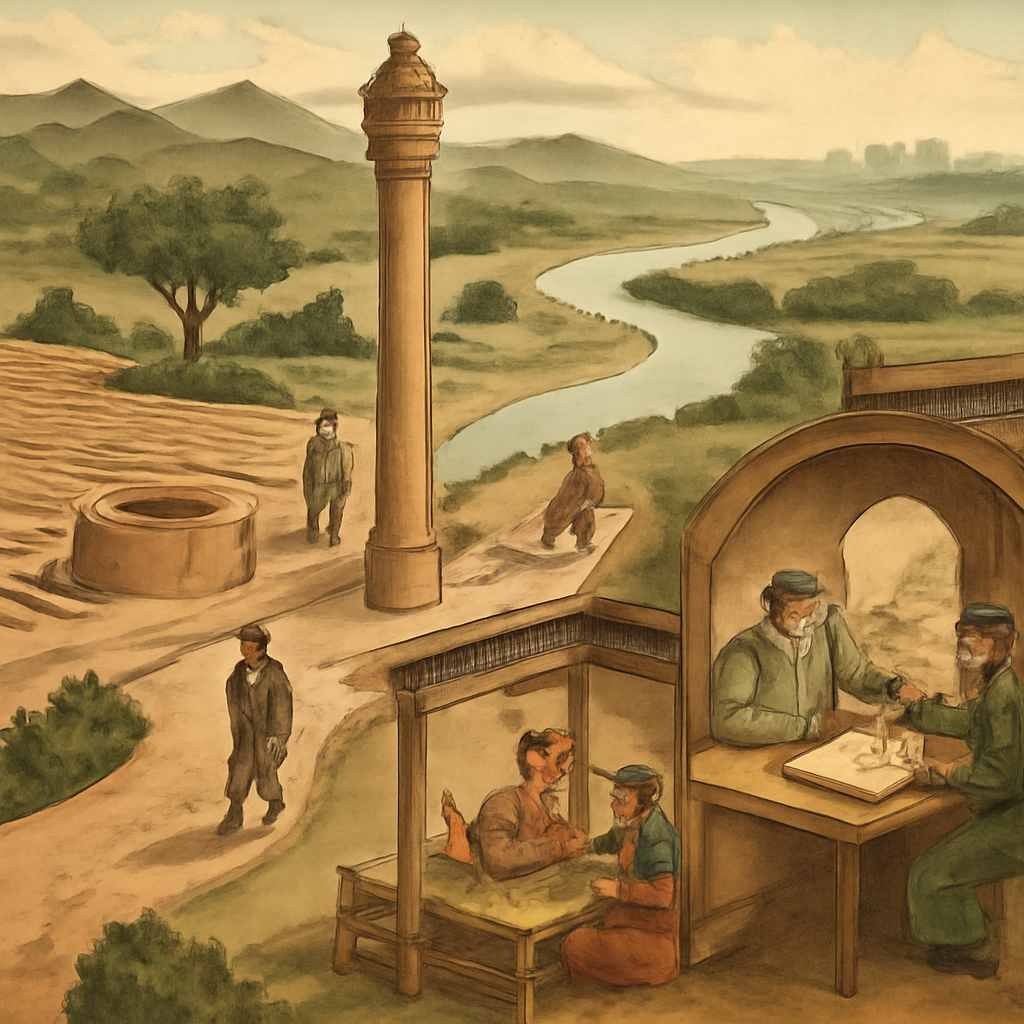
Follow South Asia from early farming and imperial state formation through Maurya, Ashoka, Gupta, Buddhist and Hindu worlds, Indian Ocean exchange, colonial pressure, civil disobedience, independence, and partition.
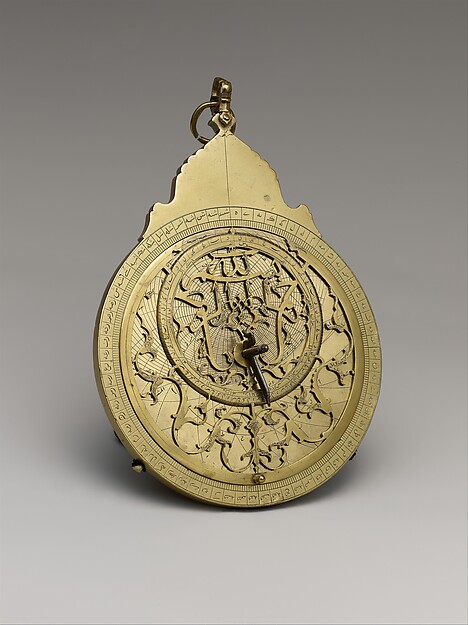
Connect Southwest Asian deep history, Persian and Hellenistic empires, the rise of Islam, caliphates, Baghdad, Ottoman power, pilgrimage, Suez, colonial borders, oil-era politics, and modern uprisings.
Read Central Asia and steppe worlds through Iranian empires, Silk Road routes, Kushan and Turkic crossroads, Abbasid-Tang conflict, Mongol shock, Russian and Soviet frontiers, space launch sites, and Afghan war.
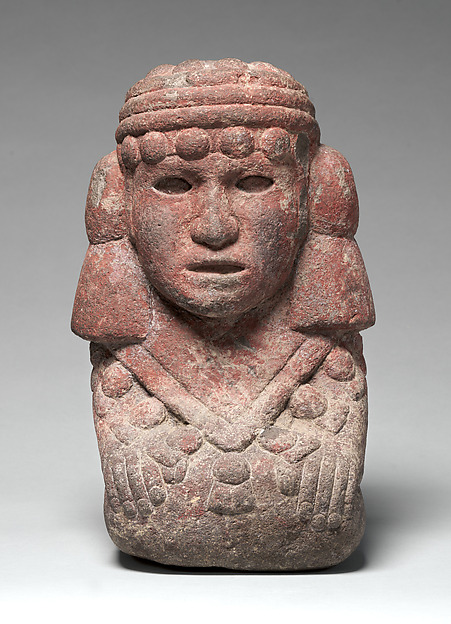
Follow the Americas through Indigenous empires, Atlantic contact, conquest, slavery, revolutions, republics, civil war, abolition, migration, rights movements, financial crisis, Cold War politics, and terrorism.
Follow the Abbasid route from revolution and Baghdad to translation, scholarly networks, court power, regional rivals, and the Mongol destruction of the caliphal capital.
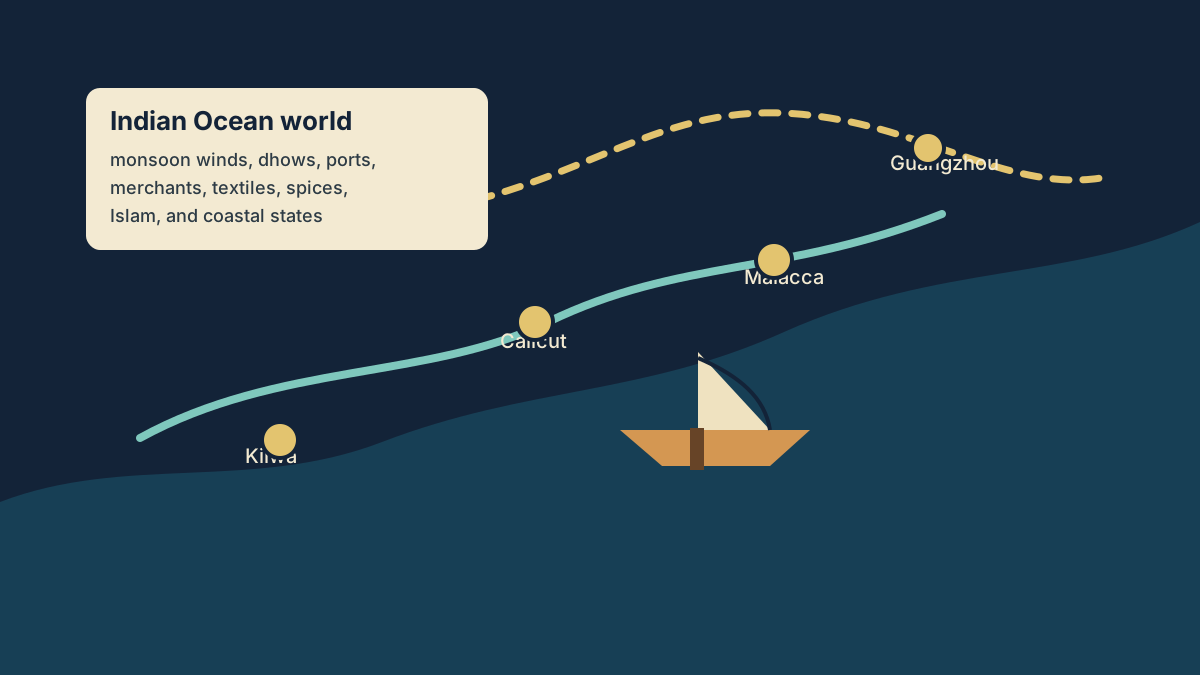
Read the Indian Ocean as a world of monsoon routes, ports, pilgrimages, fleets, merchants, scholars, empires, companies, and coastal societies long before and after European arrival.
Connect Delhi Sultanate state formation, Timurid shock, Mughal foundation, Akbar's court, company conquest, rebellion, independence, and Bangladesh into a long South Asian route.
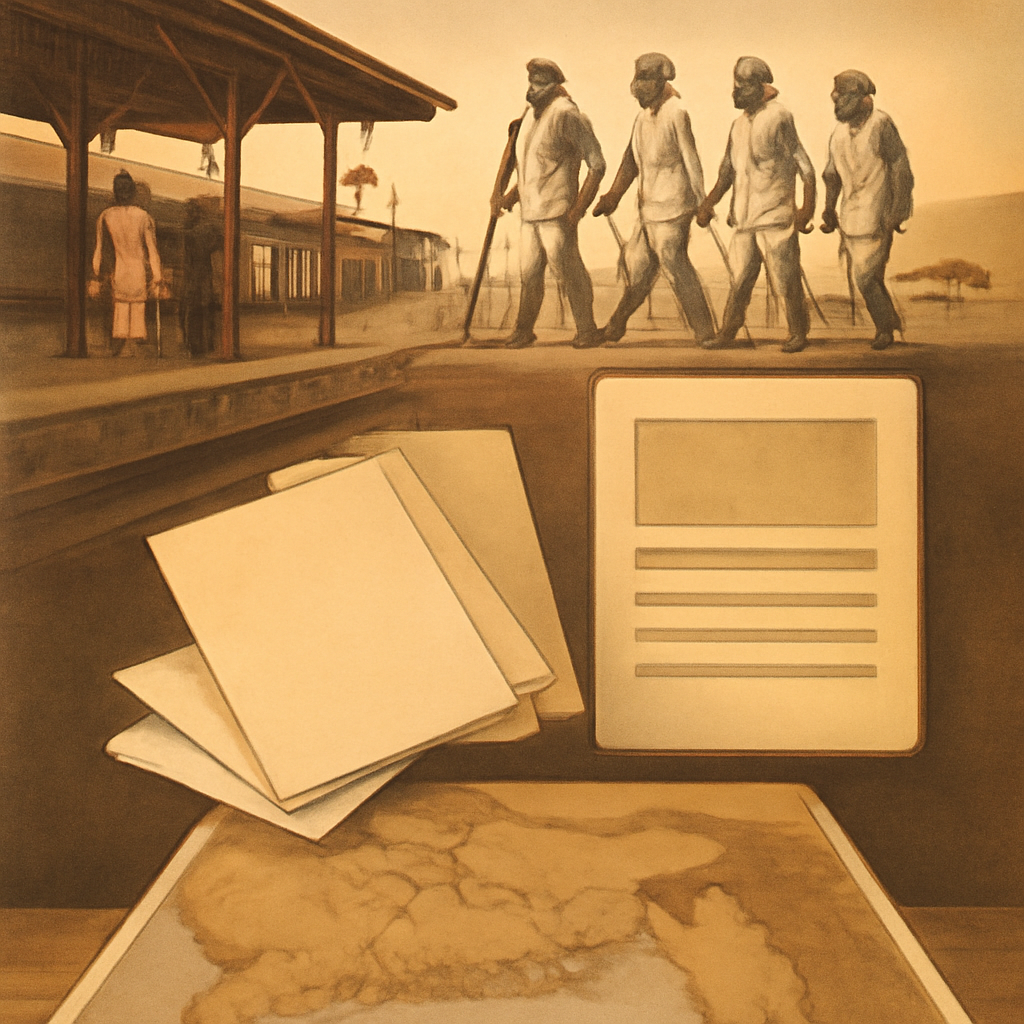
Follow modern South Asia through company rule, rebellion, civil disobedience, independence and partition, postcolonial conflict, language politics, and Bangladesh's creation.
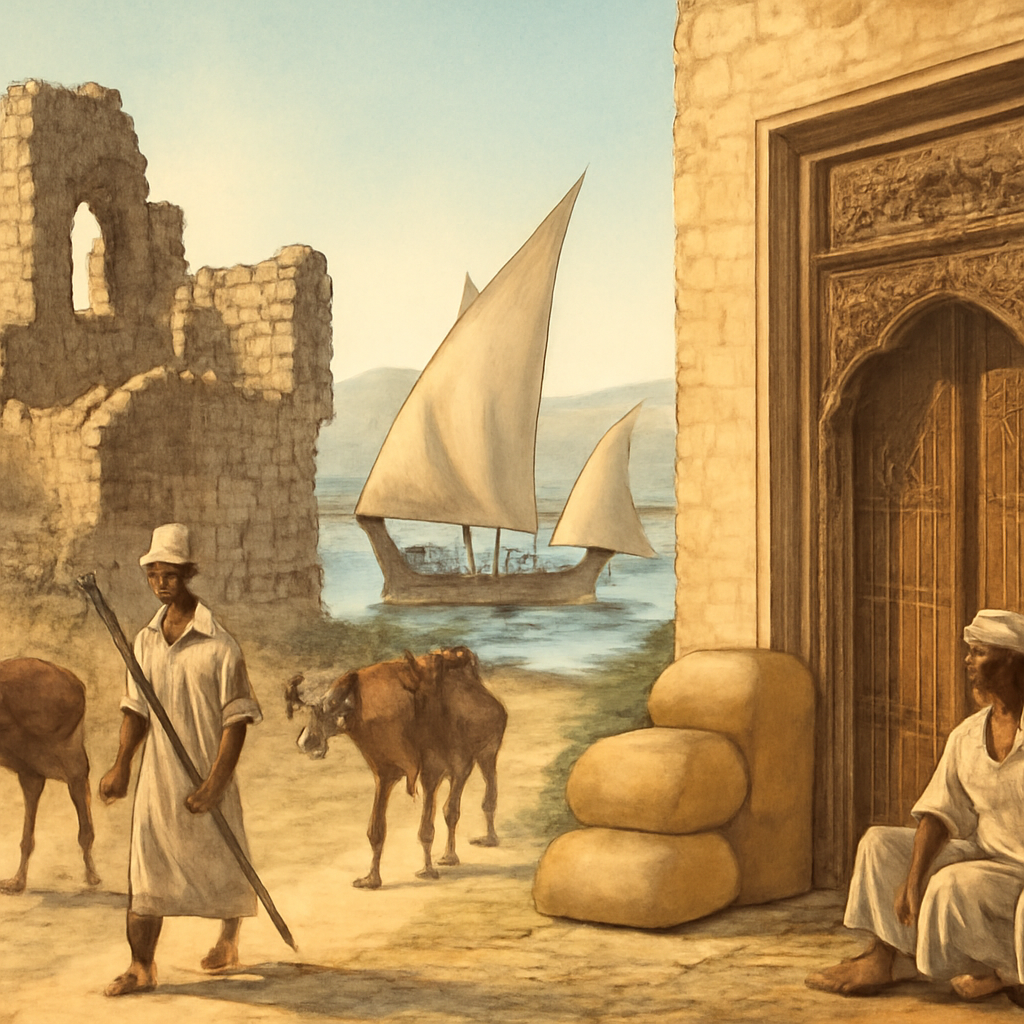
Read East Africa through Swahili port cities, Kilwa, Great Zimbabwe, Indian Ocean travel, Omani and Portuguese rivalry, Zanzibar, colonial rule, Maji Maji, independence, and ujamaa state-building.
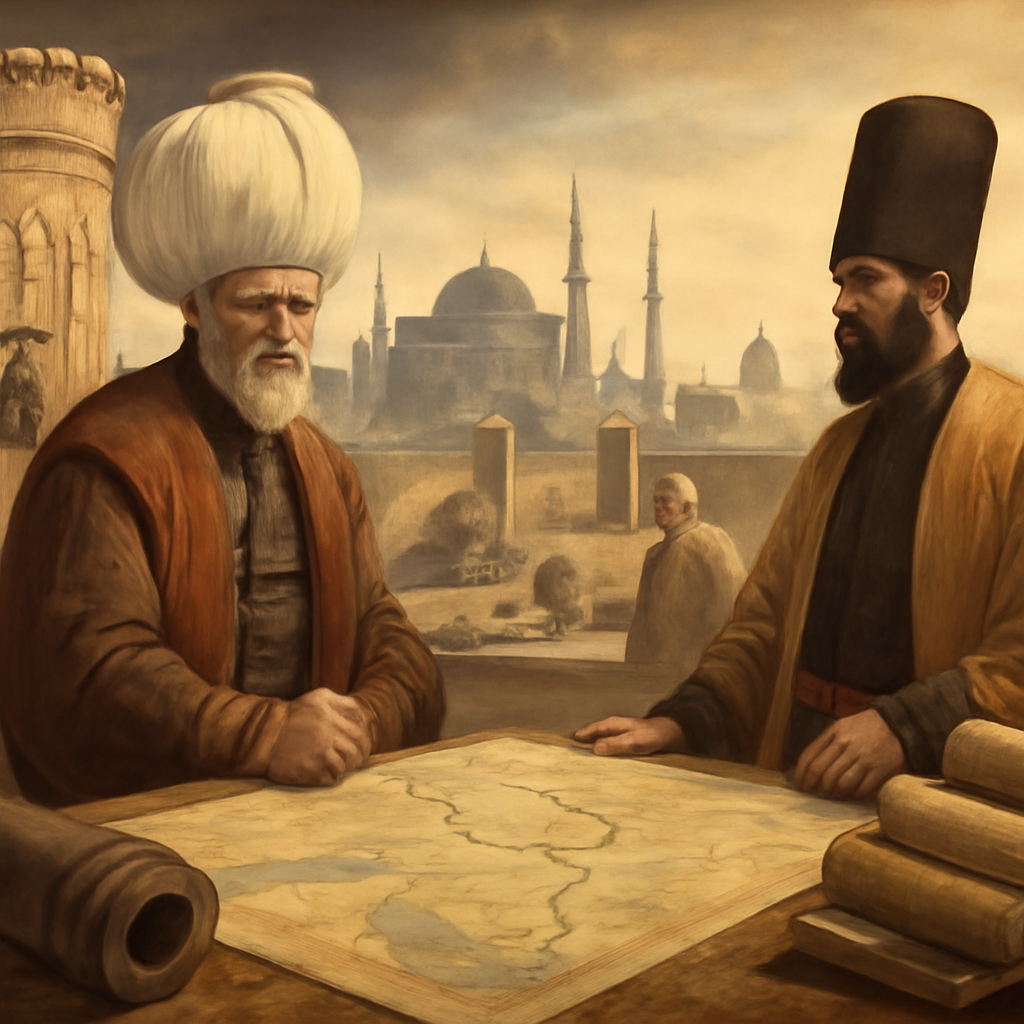
Follow Ottoman and Safavid history through Chaldiran, Egypt, Vienna, Lepanto, border treaties, Russian pressure, Tanzimat reform, constitutional revolt, and World War I collapse.
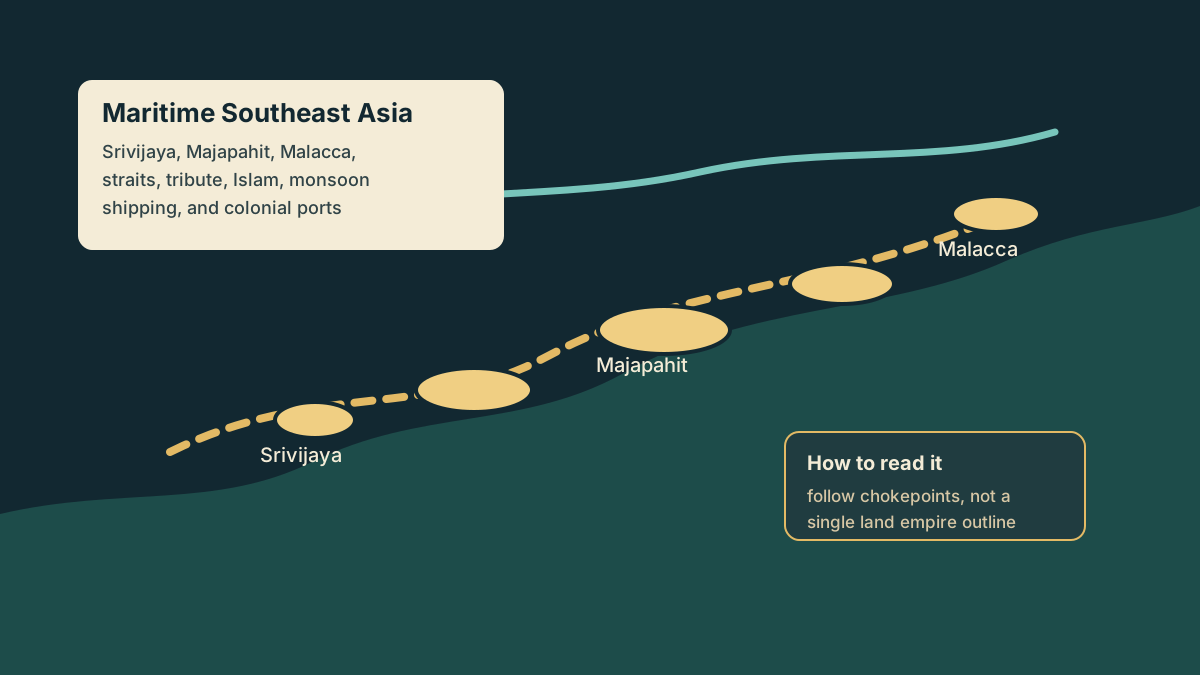
Use Southeast Asia as a maritime and mainland route through Bagan, Ayutthaya, Malacca, the Philippines, the VOC, Batavia, Java, Siam, nationalism, Indonesia, Vietnam, and ASEAN.
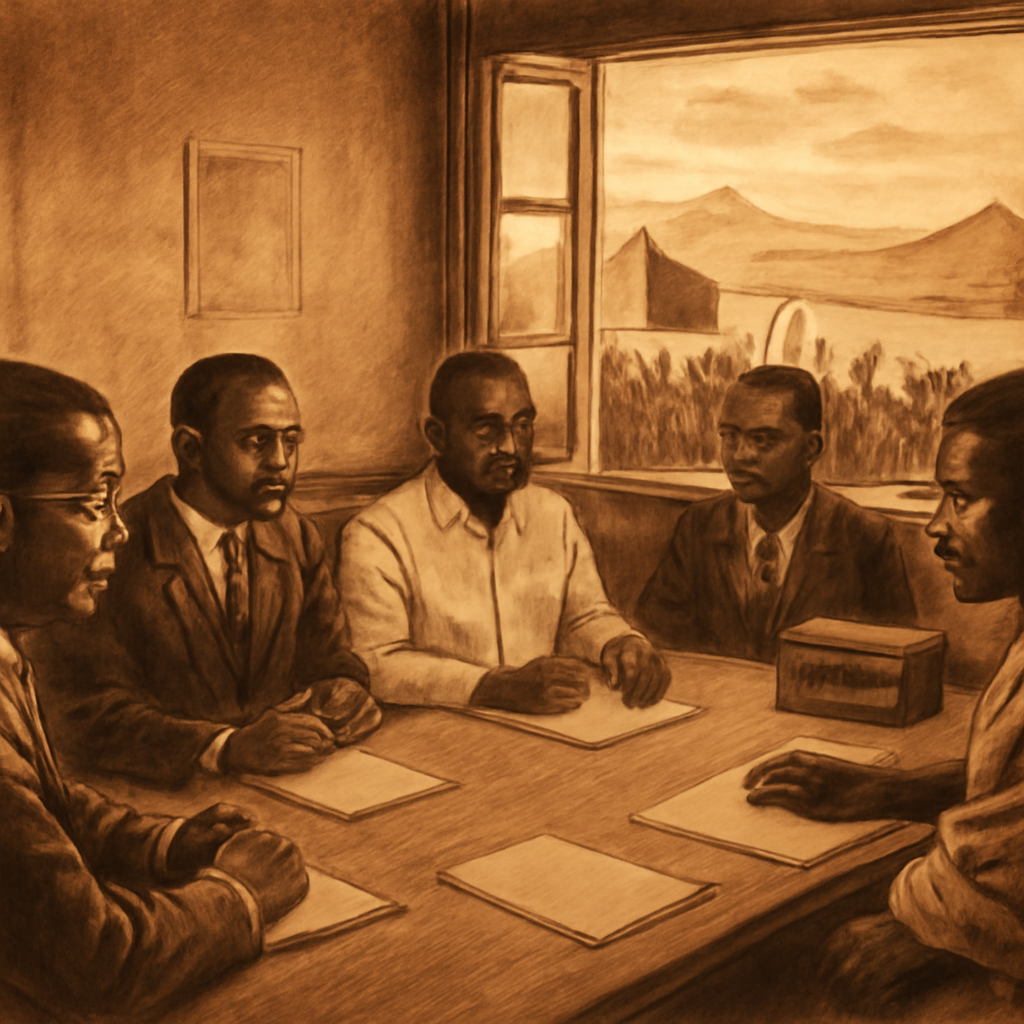
Connect Mau Mau, Algeria, Bandung, Congo, the OAU, Biafra, Angola, Soweto, Rwanda, and South Africa's truth commission into a route about liberation and state-building.
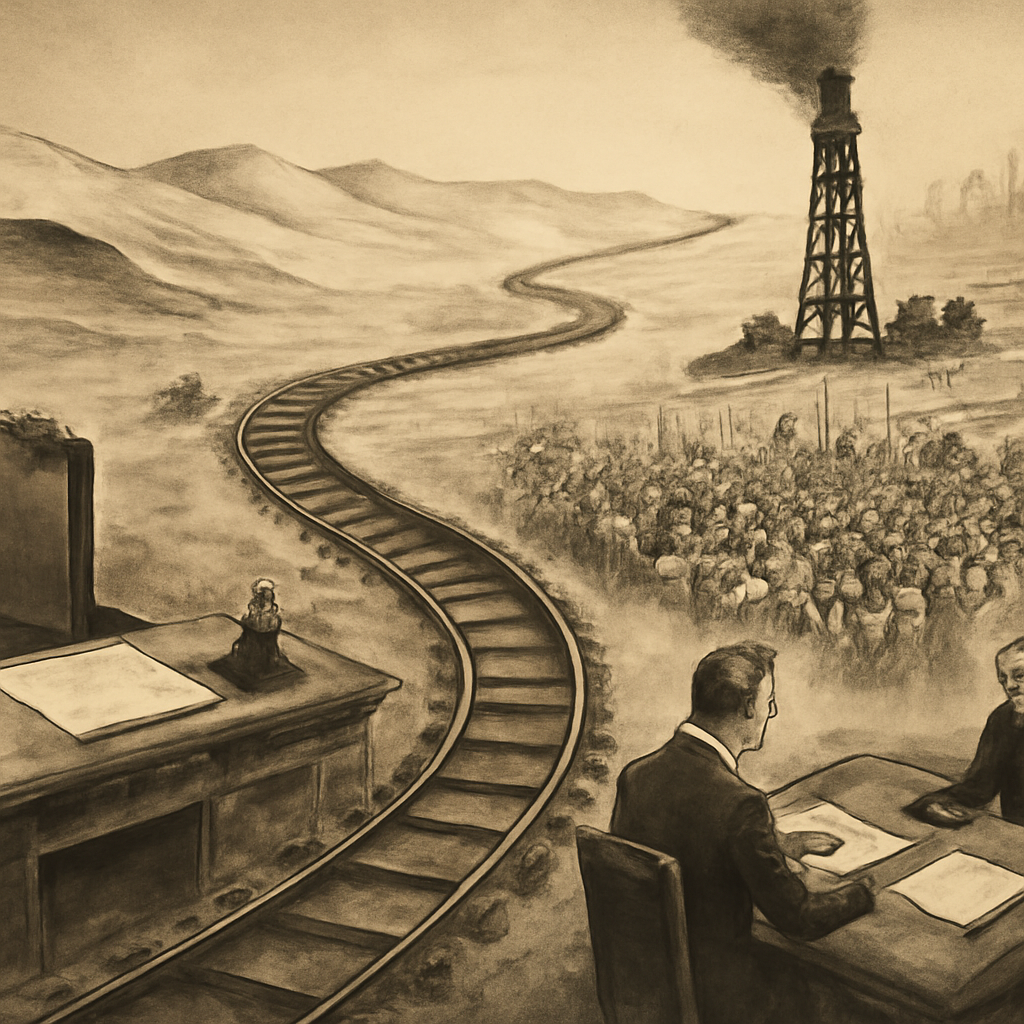
Move from late Ottoman reform and collapse to oil politics, revolution, Iran-Iraq war, Oslo diplomacy, September 11, the Arab Spring, and Syrian civil war.
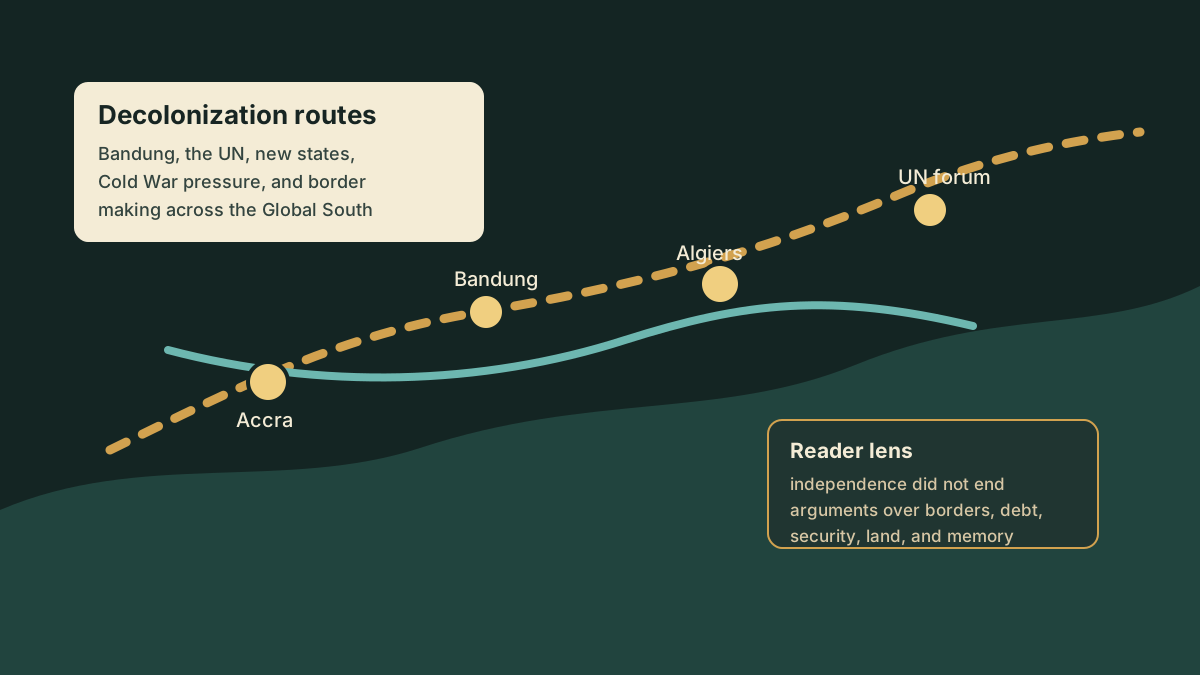
Read decolonization as a global route through Haiti, India, Indonesia, Vietnam, Bandung, Africa, Bangladesh, Angola, apartheid, Rwanda, and transitional justice.
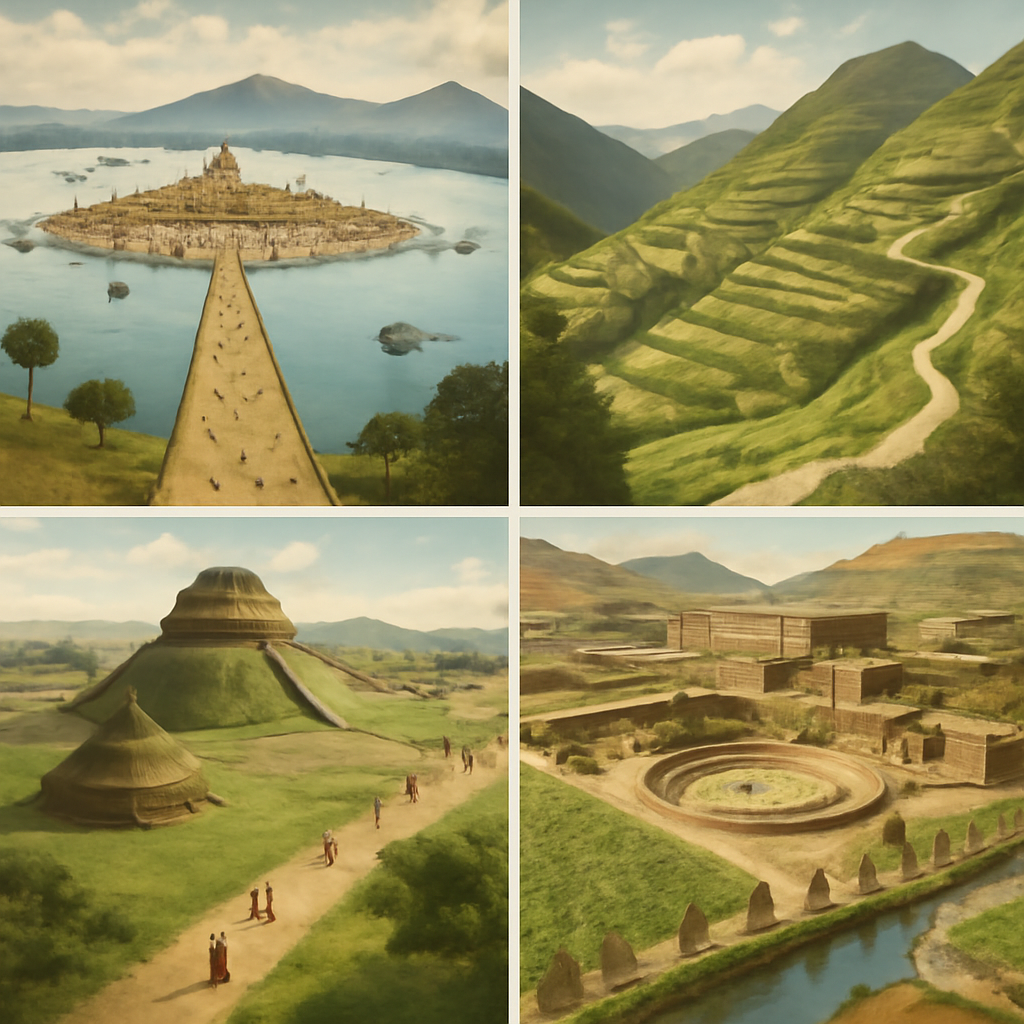
Read the Americas through Olmec, Chavin, Zapotec, Nazca, Teotihuacan, Maya, Tiwanaku, Cahokia, Chaco, Aztec, Inca, Pueblo resistance, and modern Indigenous rights.
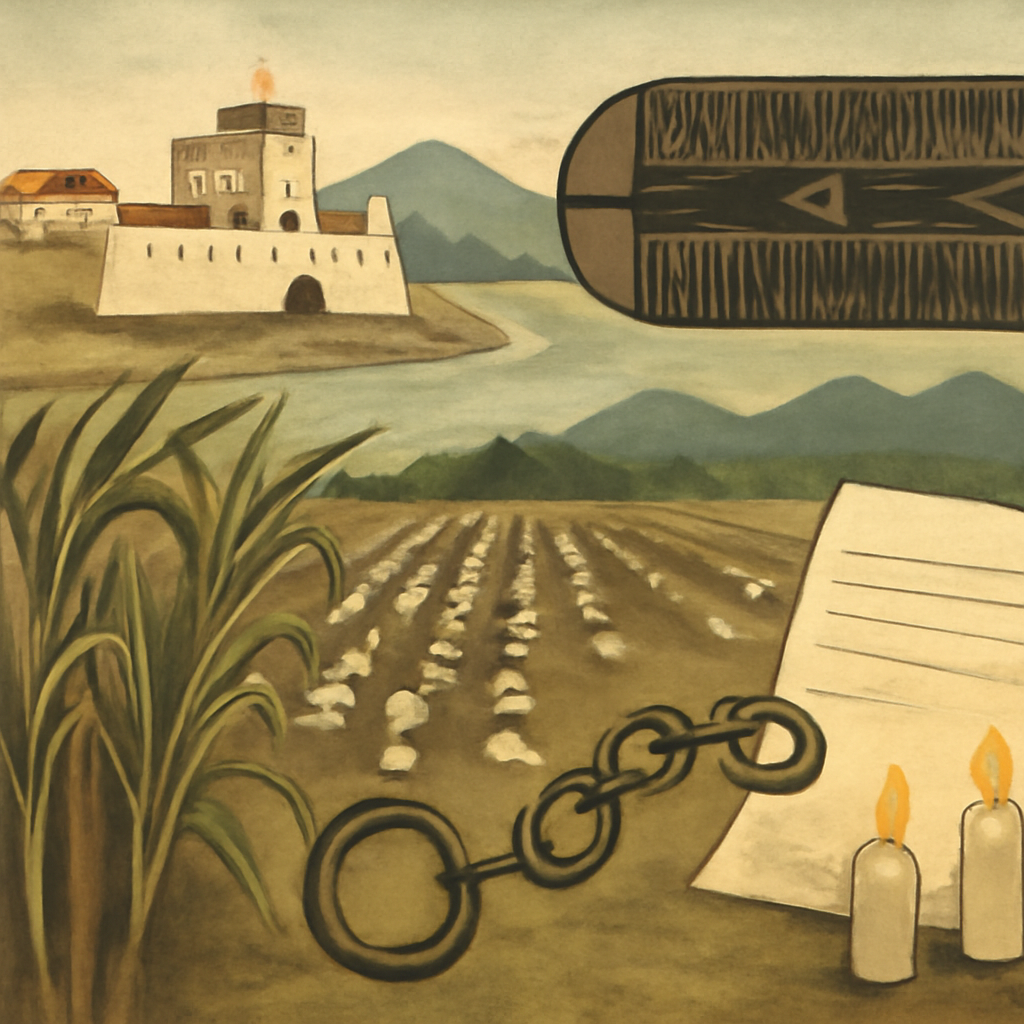
Follow Atlantic slavery through forts, forced migration, plantations, resistance, legal cases, Haiti, abolition laws, emancipation, Brazil, and international anti-slavery conventions.
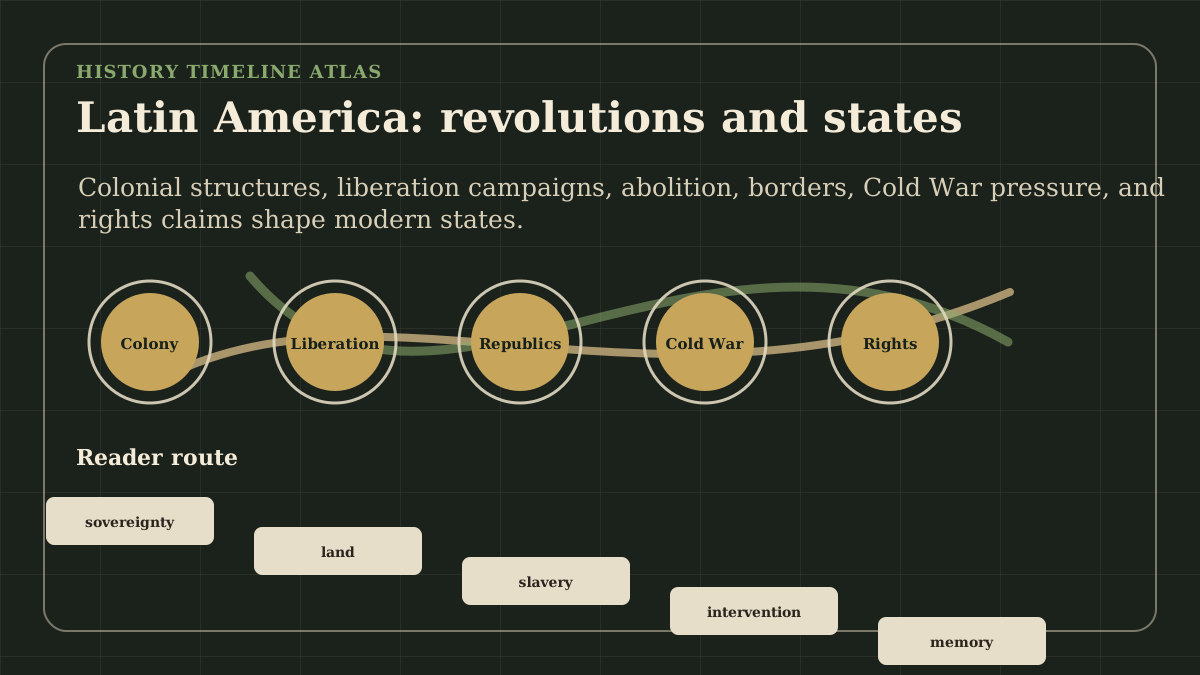
Move from conquest and silver to independence wars, republic-building, abolition, regional wars, revolution, Cold War coups, democratization, trade, and Indigenous movements.
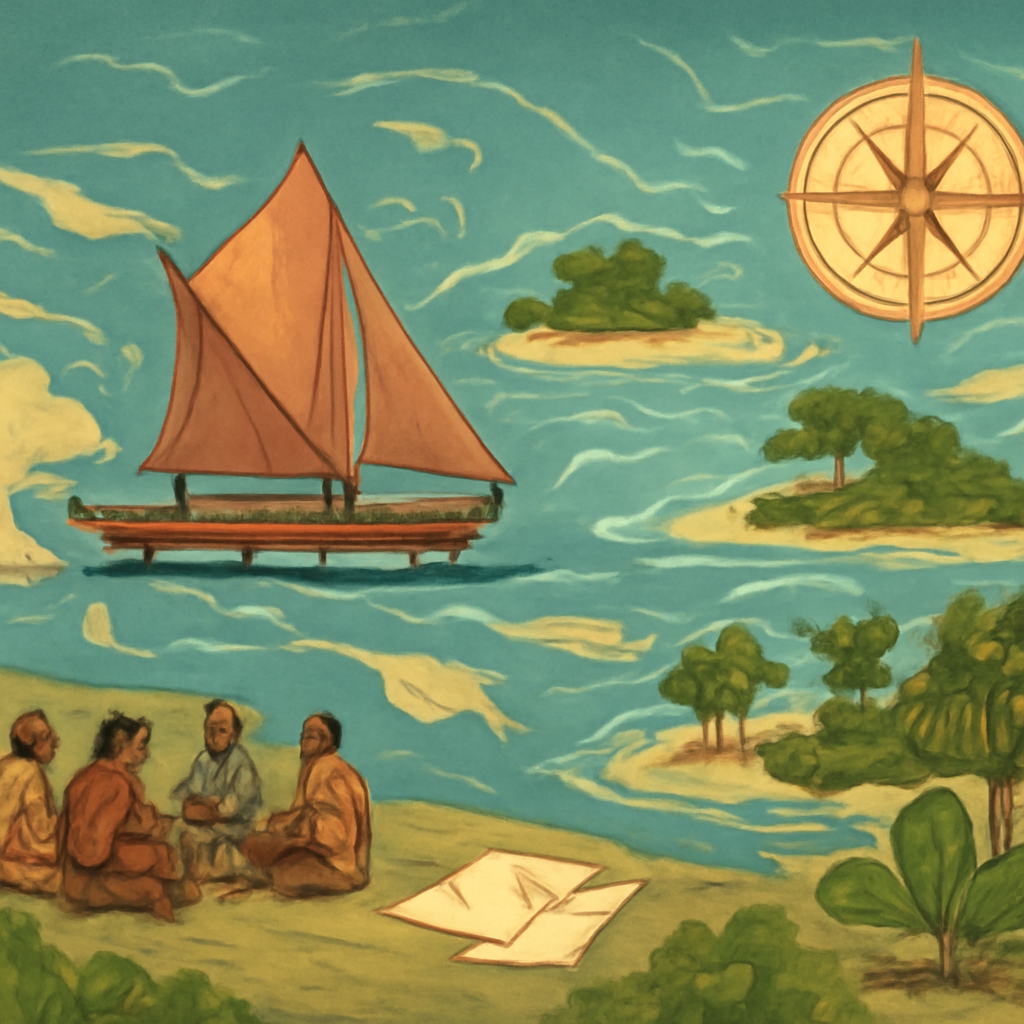
Read Pacific history through voyaging, island polities, Australia, Hawaii, Waitangi, Maori institutions, nuclear testing, decolonization, resource conflict, and climate diplomacy.
Use East Asia as a long route from Sui and Tang consolidation through Japan and Korea, Song economy, Mongol and Ming transitions, Qing conquest, treaty ports, war, revolution, and reform.