History Timeline Atlas

History Timeline Atlas: Events, Years, and Source-Led Paths

Use History Timeline Atlas when a date, event, or comparison needs context. Start with the historical question, then follow events, years, explainers, and timelines that show causes, consequences, and sources.

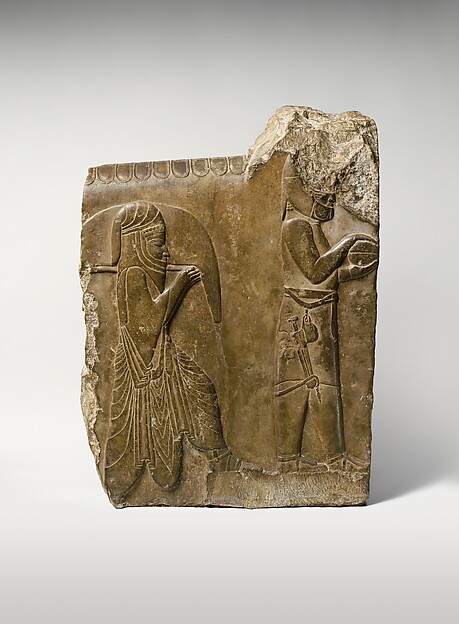
Achaemenid stone relief showing two servants in procession with food and drink
c. 550 BCE-476 CE

Ancient Empires and City-States

How did rulers turn conquest, cities, law, and tribute into durable political order?

Interactive Atlas

Choose a route, then follow the evidence across time and place.

The atlas is no longer a two-route front door. It now opens through civilizations, oceans, revolutions, wars, science, people, and year pages, so readers can move from a search query into a connected historical path.

Use the route tabs, map dates, or step list. Each choice changes the reading card without leaving the page.

689indexable pages342event pages43topic routes25timelines102people121year pages43compare/explain pages
Achaemenid stone relief showing two servants in procession with food and drink
The Metropolitan Museum of Art, Open AccessPublic domain image made available through The Met Open Access
c. 550 BCE-476 CE

Ancient Empires and City-States

How did rulers turn conquest, cities, law, and tribute into durable political order?

  • Persia, Greece, India, China, Rome
  • city-state to empire
  • law, tribute, roads, memory
Choose a turning point
Step 1 of 3 - 550 BCEAchaemenid Empire Founded

A first route into imperial administration, tribute, roads, and court language.

Start With A Question

What readers can search, open, and follow

I searched World War II timeline. Where do I start?

Start with pressure before 1939, then follow Poland, Leningrad, Pearl Harbor, Stalingrad, Warsaw, Okinawa, Hiroshima, the UN, and Nuremberg. The page treats victory, genocide, bombing, displacement, and law as one connected historical thread.

What caused the Cold War?

Begin with Yalta and Potsdam, then watch containment become money, planes, treaties, bases, proxy wars, protest movements, and nuclear rules. The answer is not one speech; it is a settlement that hardened across many places.

Why does 1492 matter in world history?

The year page begins in Taino worlds before it widens into Columbus, La Navidad, coercion, Atlantic crossings, Indigenous catastrophe, and later arguments over discovery, conquest, exchange, and memory.

How did Islam begin?

The path starts with Hira, Khadija, Meccan pressure, the Hijra, Medina, worship, treaty, conflict, and community. It keeps Muslim sacred meaning visible while marking what historical sources can and cannot answer.

How did decolonization change Africa?

Follow Accra, Conakry, Algiers, Kinshasa, Luanda, Maputo, Soweto, Kigali, Asmara, and Johannesburg to see independence as organizing, voting, armed struggle, trauma, memory, and institution-building.

Where does science history begin?

Open Baghdad, Pacific navigation, print, vaccination, steam, Darwin, rail, spaceflight, Chernobyl, genomics, and COVID-19 as a history of knowledge, infrastructure, risk, and public trust.

How claims stay checkable

High-entry pages point to museums, archives, official collections, university projects, primary-source readers, and specialist references. The source list is there so a reader can see which claim is being steadied, not just that a bibliography exists.

What makes a timeline worth reading?

A useful timeline gives order, then keeps asking better questions: what changed, who had power, who paid the cost, which source proves the claim, and which next page changes the meaning of the date.
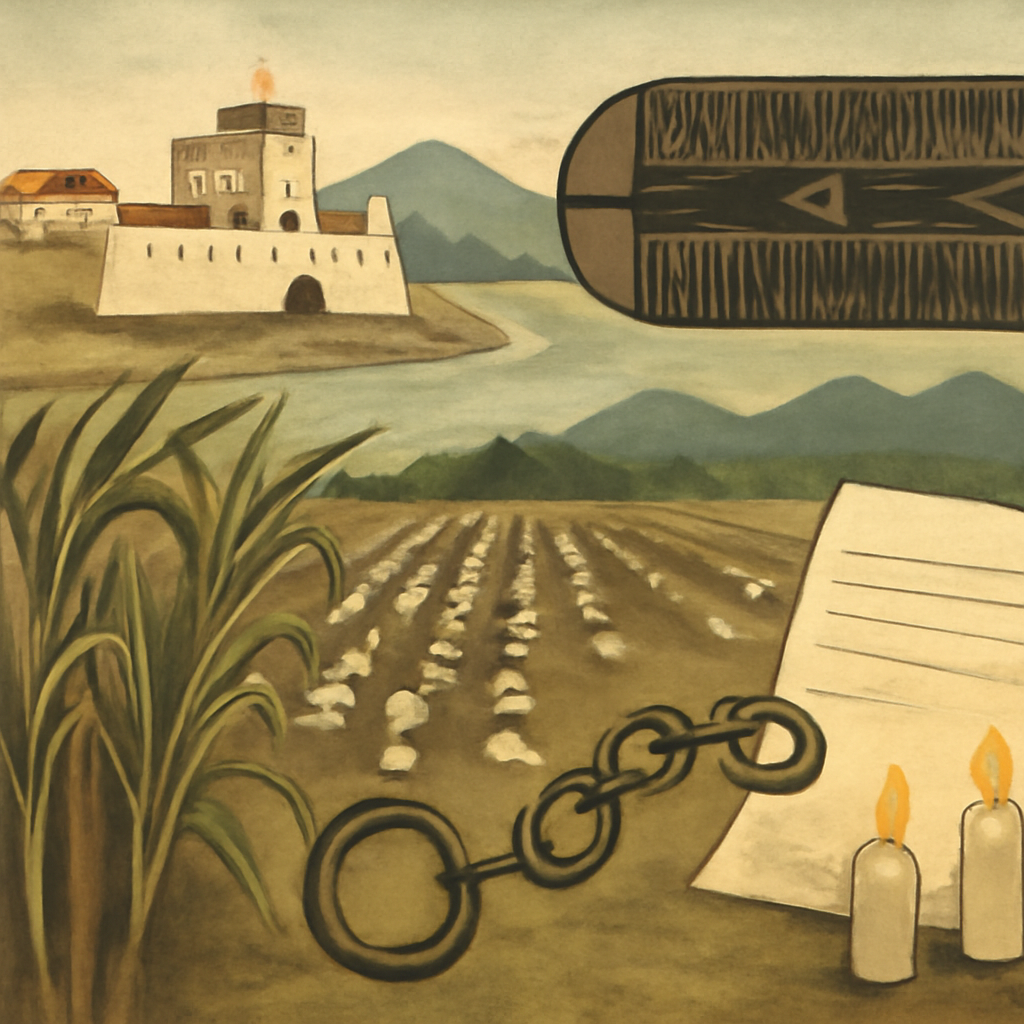
1492 through Taino worlds

Begin on Guanahani before the word discovery takes over: Taino communities, Columbus's first voyage, La Navidad, coercion, and the long Atlantic consequences.

Atlantic slavery through named lives

Follow Equiano, the Zong massacre, Haiti, abolition law, Brazil, and contested freedom so forced migration is read through people as well as systems.

World War I beyond trenches

Move from Sarajevo into Armenian victims, colonial troops, occupied civilians, disease, revolution, and an unsettled peace rather than a narrow battlefield list.

Baghdad as a knowledge city

Follow translators, physicians, mathematicians, paper, patrons, and book markets so scientific history is not reduced to one European laboratory.

Topic Paths

Follow more than two lines through the atlas

The homepage now exposes the broader content architecture: empires, religion, law, exchange, revolutions, industry, world wars, Cold War crisis, oceans, decolonization, Atlantic slavery, and East Asia.

Achaemenid stone relief showing two servants in procession with food and drink

Ancient Empires and City-States

Follow how city-states, conquest states, and early empires turned military success into institutions, law, and political memory.

22 eventsvisual path
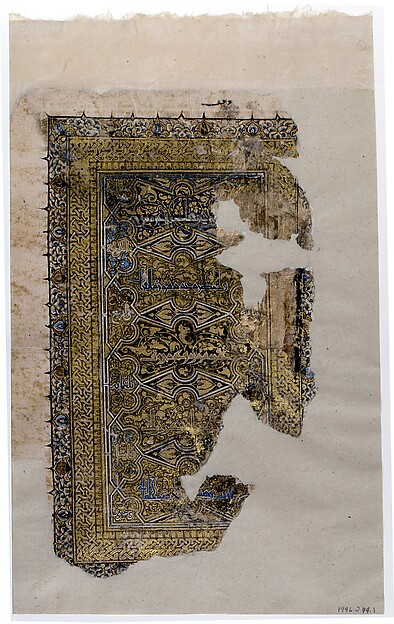
Illuminated manuscript folio from a Qur'an with Arabic calligraphy

Early Islam and Caliphates

Trace the movement from revelation and migration to community formation, military survival, and caliphal power across Eurasia.

9 eventsvisual path
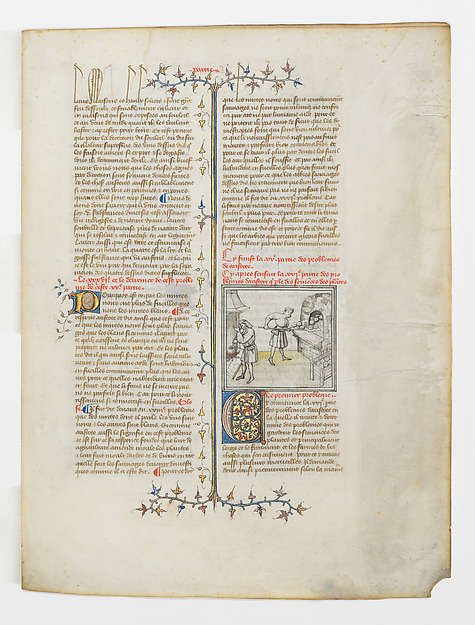
Illuminated medieval manuscript scene showing people working in a bakery

Medieval Power, Law, and Conquest

Connect coronations, invasions, charters, epidemics, and sieges to see how medieval authority was claimed, resisted, and remembered.

10 eventsvisual path
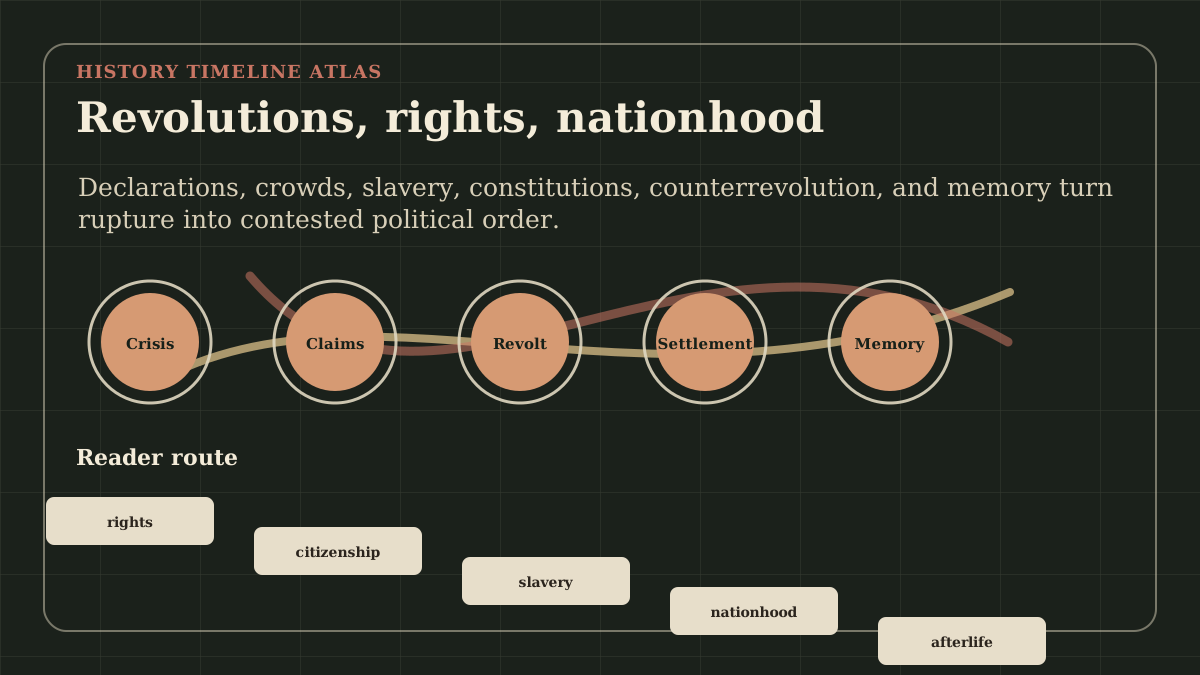
Revolutions, rights, nationhood, and settlements

Revolutions, Rights, and Nationhood

Compare revolutions across the Atlantic world, Europe, Russia, and South Asia through rights claims, state collapse, and new national projects.

15 eventsvisual path
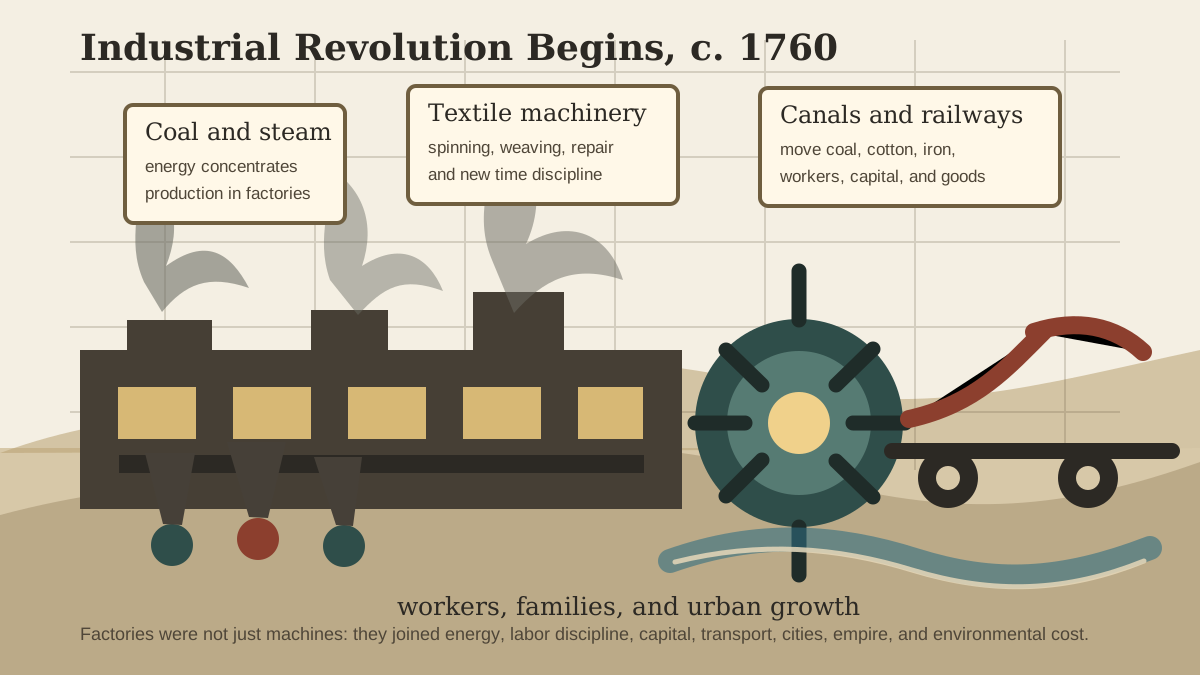
Industrial Revolution energy, factory labor, and transport

Industry, Capital, and Imperialism

Follow machines, canals, finance, trade pressure, and imperial bargaining as industrial power reshaped global relationships.

9 eventsvisual path
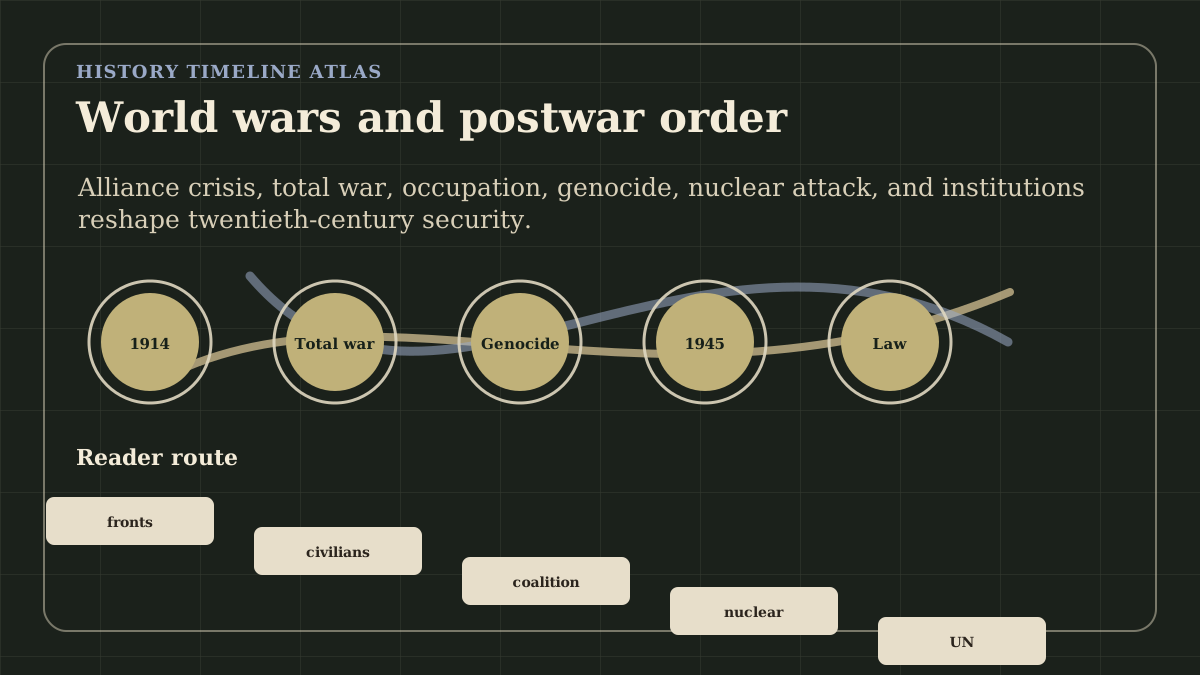
World wars, total war, and postwar order

World Wars and Postwar Order

Move from the crisis of 1914 through fascism, total war, nuclear attack, and the institutions built to manage the postwar world.

37 eventsvisual path
Earth rising above the lunar surface as seen during the Apollo 8 mission

Cold War, Globalization, and Crisis

Connect ideological rivalry, nuclear danger, decolonization, space technology, terrorism, protest, and public health into one modern route.

43 eventsvisual path
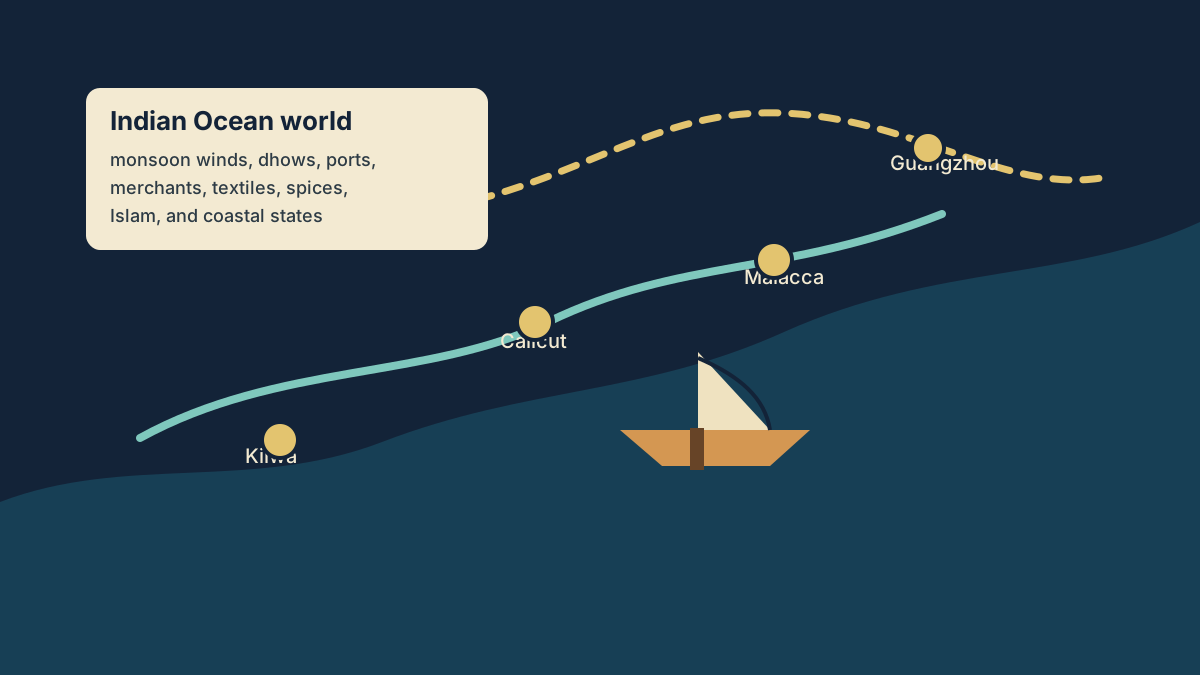
Indian Ocean world, monsoon routes, dhows, and port cities

Indian Ocean World

Read the Indian Ocean as a world of monsoon routes, ports, pilgrimages, fleets, merchants, scholars, empires, companies, and coastal societies long before and after European arrival.

9 eventsvisual path
African decolonization, Bandung, and postcolonial state-building

African Decolonization and Postcolonial States

Connect Mau Mau, Algeria, Bandung, Congo, the OAU, Biafra, Angola, Soweto, Rwanda, and South Africa's truth commission into a route about liberation and state-building.

17 eventsvisual path
Atlantic slavery, abolition, and diaspora memory

Atlantic Slavery, Abolition, and Diaspora

Follow Atlantic slavery through forts, forced migration, plantations, resistance, legal cases, Haiti, abolition laws, emancipation, Brazil, and international anti-slavery conventions.

18 eventsvisual path
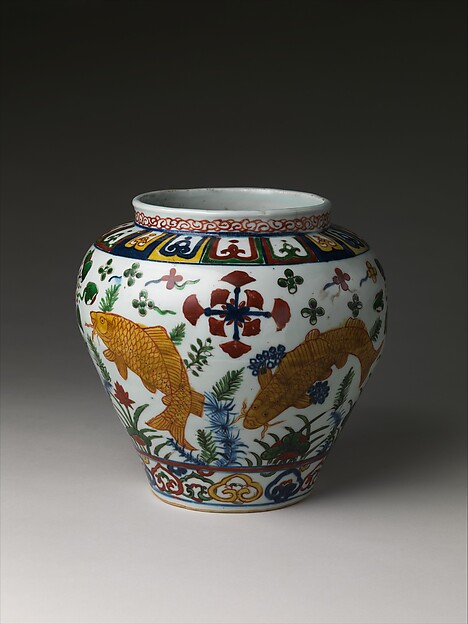
Blue-and-white Ming porcelain jar decorated with carp and lotus pond imagery

East Asia Dynasties, Reform, and Modernity

Use East Asia as a long route from Sui and Tang consolidation through Japan and Korea, Song economy, Mongol and Ming transitions, Qing conquest, treaty ports, war, revolution, and reform.

25 eventsvisual path

Featured Paths

Timelines built for following cause and consequence

World War II Timeline

A guided route through appeasement, invasion, global expansion, occupation, turning points, surrender, and postwar reckoning in World War II.

World War IINazi GermanyPacific War

Cold War Timeline

Follow the Cold War from postwar bargaining and containment through Berlin, Korea, nuclear danger, Vietnam, reform, and the collapse of the Soviet bloc.

Cold WarContainmentNuclear Weapons

Ancient Empires Timeline

A chronological guide to classical empires, city-states, battlefield turning points, imperial state formation, and political memory.

Ancient EmpiresCity-StatesImperial Rule

Medieval Power, Law, and Conquest Timeline

A cross-regional route through late antique religion, Islamic expansion, imperial courts, African and Asian trade states, charters, conquest, plague, and early modern religious conflict.

Medieval PowerLawReligion

Colonialism, Exchange, and Global Empires Timeline

A long route from Atlantic crossings and Indian Ocean pressure to slavery, conquest, chartered companies, imperial infrastructure, anti-colonial resistance, and late imperial handovers.

ColonialismExchangeSlavery

This Week's Strongest Starts

Open the paths most likely to answer a broad history question

These entry points were selected because they answer common searches without flattening the subject into a single date, ruler, battle, or invention.

World war route

World War II timeline

Best first route for readers who arrive with a broad war chronology query and need causes, civilians, genocide, surrender, trials, and postwar institutions in one path.

Continue into 1945 in history or Nuremberg Trials.
Year route

1492 in history

A high-risk year page where the entry needs to begin with Taino worlds before Columbus, conquest language, Atlantic exchange, and memory disputes take over.

Continue into Indigenous Americas or Atlantic exchange routes.
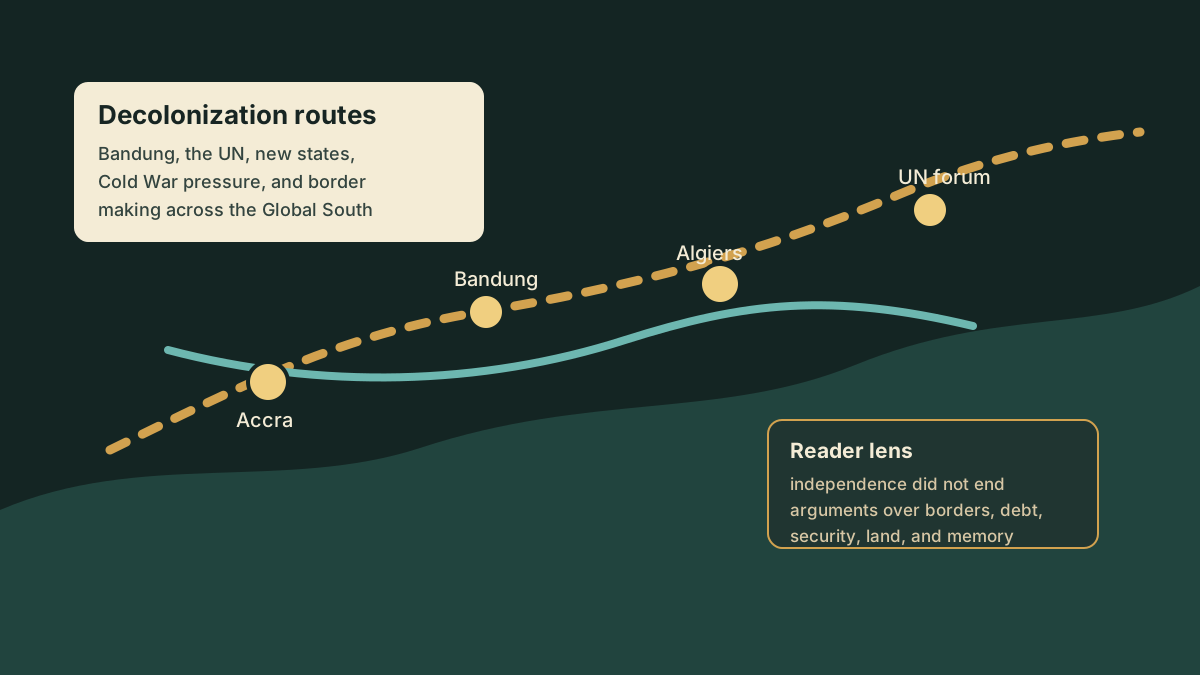
Decolonization route

Why did decolonization accelerate after World War II?

A useful explainer for cause-and-effect search intent because it connects wartime exhaustion, anticolonial organizing, international pressure, and new state institutions.

Continue into Bandung or Africa decolonization timelines.
Science route

Science, Technology, and Discovery timeline

A broad route that keeps science history tied to translation, navigation, medicine, infrastructure, risk, and public trust instead of a narrow invention list.

Continue into Baghdad, vaccination, spaceflight, or genomics.
Global South route

Africa, Decolonization, and the Global South

A strong hub for readers moving from independence dates toward organizing, armed struggle, trauma, testimony, and postcolonial institution-building.

Continue into Lumumba, Bandung, Rwanda, or South Africa TRC.
Ancient route

Ancient Empires and City-States

The clearest ancient-world hub for comparing court power, city-states, tribute, roads, law, and imperial memory across Persia, Greece, India, China, and Rome.

Continue into Qin unification, Achaemenid Persia, or Rome.

Readable Atlas Paths

Start from real paths, images, and source trails

The homepage should not pretend to be a historical border map. These entry points use real visual sources, canonical hub pages, and clickable turning points so a reader can understand where the atlas goes next.

Compare and Explain

Use the atlas to answer bigger historical questions

compare

World War I vs World War II

World War I began from alliance crisis, imperial rivalry, nationalism, and militarized escalation; World War II grew from failed settlements, fascist expansion, imperial war, and global ideological conflict. They connect, but they should not be collapsed into one repeating war.

explainer

What Caused World War I? Trigger, Alliances, and Responsibility

World War I was triggered by the Sarajevo assassination, but it was caused by more than one actor. For who caused WW1, what triggered WW1, and what led to WW1, the careful answer starts with Sarajevo and then follows the July Crisis: alliances, imperial rivalry, nationalism, arms planning, mobilization timetables, and government decisions turned a Balkan crisis into a European and global war.

explainer

What Was the Cold War?

A reader-friendly explanation of the Cold War as a global rivalry over security, ideology, economics, nuclear risk, decolonization, and memory.

compare

Roman Empire vs Han Dynasty

Rome and Han China both ruled large agrarian populations, moved taxes and grain, fought frontier wars, used hierarchy, and left durable political memories. The comparison matters when their different institutions stay visible rather than being treated as mirrored empires.

explainer

Why Did Empires Fall?

Empires usually collapse through a chain of fiscal pressure, elite conflict, frontier strain, legitimacy problems, environmental stress, and choices made under uncertainty.

explainer

What Was the Silk Road? Definition, Network, and Timeline

The Silk Road was not one road. It was a changing network of land and sea corridors linking East Asia, Central Asia, South Asia, the Middle East, and the Mediterranean. For a quick timeline, start with Han envoy Zhang Qian, then follow Dunhuang, Kushan and Sogdian exchange, Talas, Mongol-era travel, and later maritime links.

explainer

Why Did Decolonization Accelerate After World War II?

An explanation of why empire weakened after 1945 through war damage, anti-colonial organizing, colonial veterans, repression in places such as Algeria and Kenya, UN language, Cold War pressure, and mass politics.

explainer

Why Do Human Rights Matter in History?

An explanation of human-rights history through Nuremberg testimony, the Universal Declaration of Human Rights, anti-colonial claims, U.S. civil-rights law, South African anti-apartheid resistance, truth commissions, and memory.

Interactive Timeline

Move across turning points without losing the thread

490 BCEMarathonBattle

Battle of Marathon

Athenian and Plataean forces defeated a Persian expedition at Marathon, giving the Greek city-states a powerful story of resistance and civic confidence.

Read the full event page

Event Index

Start with the strongest entry points

221 BCEState Formation

Qin Unification of China

The Qin state defeated its rival kingdoms and declared a unified imperial order, creating institutions that later dynasties would adapt, contest, and remember.

ChinaEmpireLegalism
490 BCEBattle

Battle of Marathon

Athenian and Plataean forces defeated a Persian expedition at Marathon, giving the Greek city-states a powerful story of resistance and civic confidence.

Greek-Persian WarsAthensWarfare
March 15, 44 BCEPolitical Assassination

Assassination of Julius Caesar

A group of senators killed Julius Caesar during a meeting in Rome; their motives mixed republican language, elite fear, personal rivalry, and later interpretations after years of civil war and personal rule.

Roman RepublicCivil WarPolitical Reform
27 BCEState Formation

Founding of the Roman Empire

Octavian accepted the title Augustus and reorganized Roman power around a new imperial settlement that preserved republican language while concentrating authority.

Roman EmpireAugustusImperial Rule
476 CEState Collapse

Fall of the Western Roman Empire, 476 AD: What Happened

In 476 AD, the Rome 476 turning point was Odoacer deposing Romulus Augustulus in Ravenna. That is why the date is used for the fall of the Western Roman Empire: the western Roman imperial office ended in Italy, while eastern Roman rule continued from Constantinople.

Roman EmpireMigrationState Collapse
c. 610 CEReligious History

Beginning of Muhammad's Revelations

Islamic tradition places the first revelations to Muhammad near Mecca, beginning a religious movement that would transform Arabia and much of the wider world.

IslamArabiaReligion
622 CEMigration

Hijra to Medina

Muhammad and his followers migrated from Mecca to Medina, creating a new community that linked religious authority with social and political organization.

IslamCommunity FormationArabia
May 29, 1453Siege

Fall of Constantinople, 1453: What Happened and Why It Matters

The Fall of Constantinople happened on May 29, 1453, when Mehmed II's Ottoman forces captured the city after a 55-day siege. The conquest ended the Byzantine Empire as a ruling government in Constantinople and began the city's rebuilding as an Ottoman capital.

Byzantine EmpireOttoman EmpireWarfare