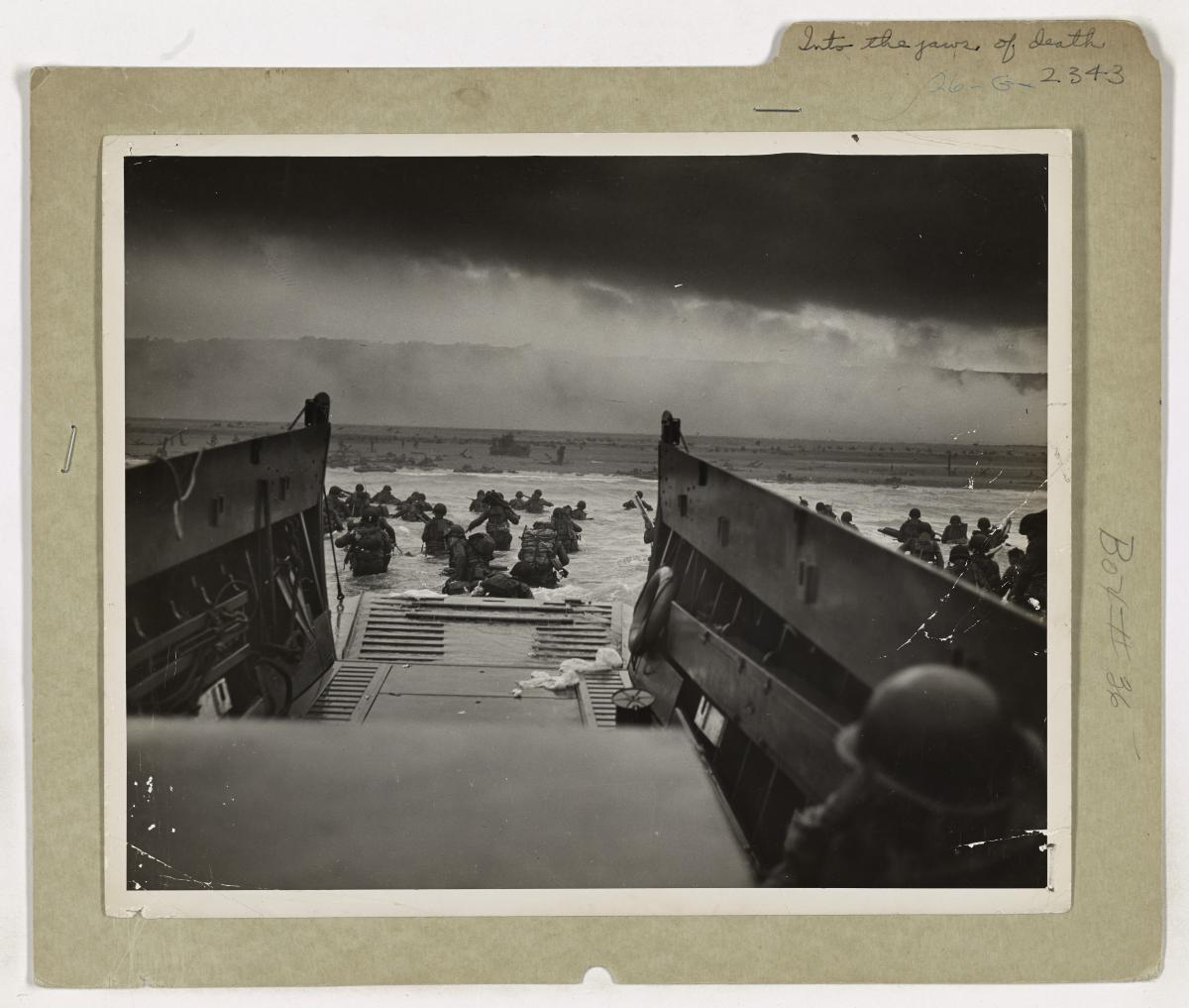
World War II Timeline
A guided route through appeasement, invasion, global expansion, occupation, turning points, surrender, and postwar reckoning in World War II.
World War IINazi GermanyPacific WarPostwar Order
Timeline Index
Each timeline is a structured path through events, people, causes, and consequences.
A guided route through appeasement, invasion, global expansion, occupation, turning points, surrender, and postwar reckoning in World War II.
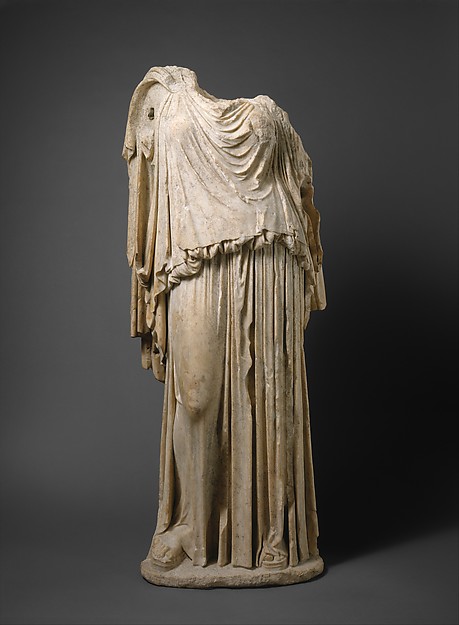
Use this Roman Empire timeline as a date spine with map shifts and consequences: 27 BCE for Augustus and imperial rule, 313 for Christian toleration, 330 for Constantinople's eastern capital, 476 for the end of the western imperial office, and 1453 for the fall of Constantinople. The page treats 476 as a western turning point, not the disappearance of all Roman power.
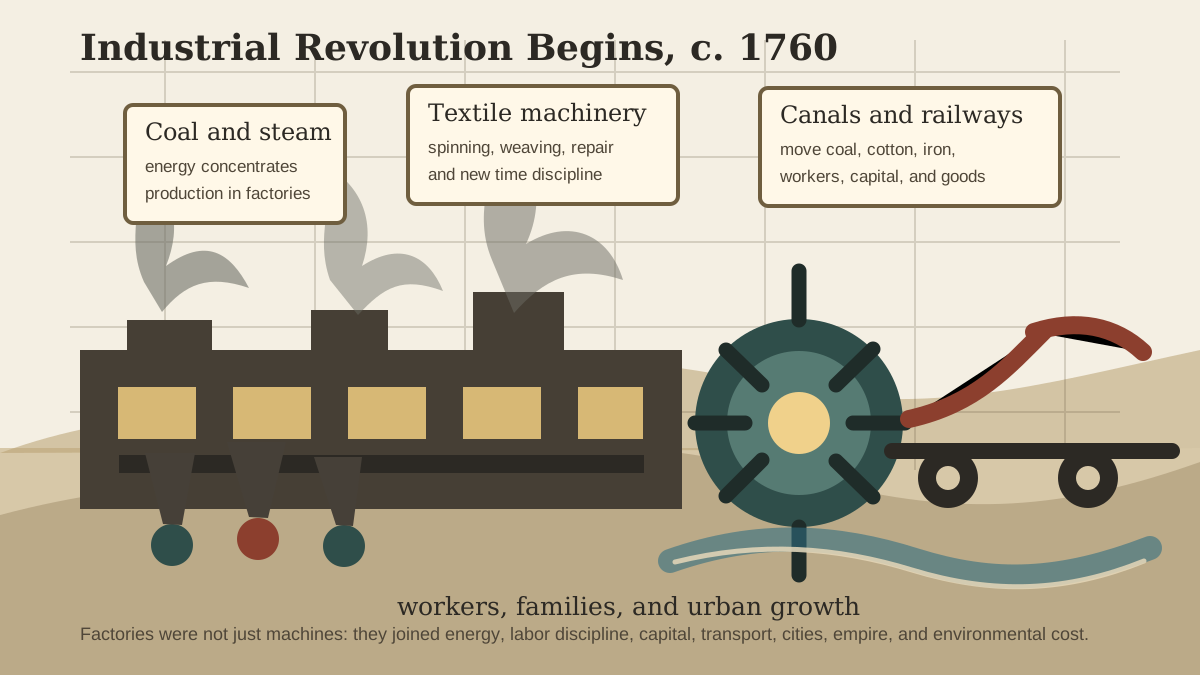
A timeline of industrialization, infrastructure, capital, labor, and the global pressures that followed mechanized production.
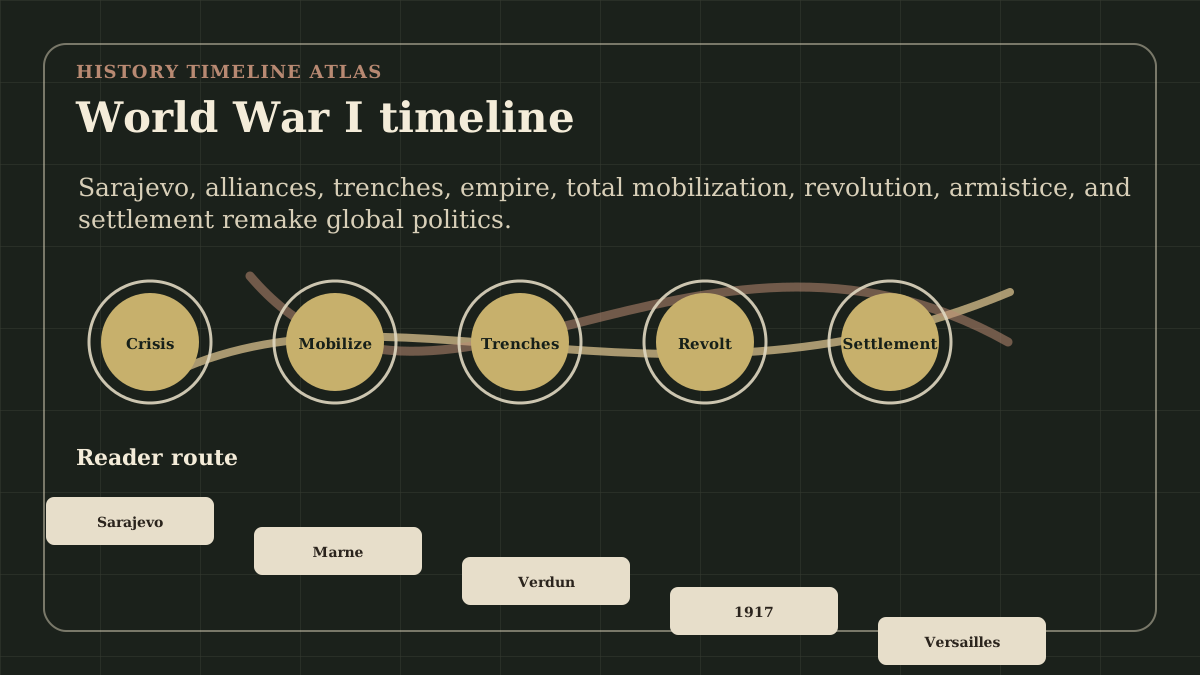
Start this World War 1 timeline with causes before the shooting: alliances, imperial rivalry, militarized planning, Sarajevo, and the July Crisis. Then follow the Marne, Gallipoli, Verdun, the Somme, U.S. entry, the 1918 Armistice, and Versailles to see how military events, map shifts, and consequences stayed connected.
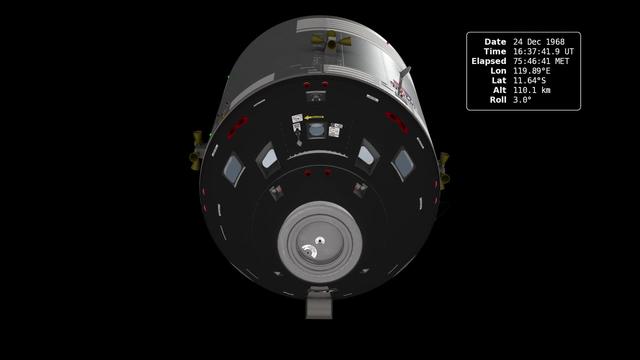
Follow the Cold War from postwar bargaining and containment through Berlin, Korea, nuclear danger, Vietnam, reform, and the collapse of the Soviet bloc.
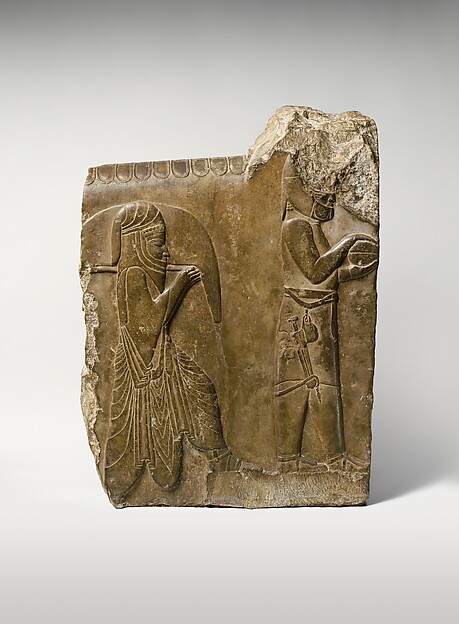
A chronological guide to classical empires, city-states, battlefield turning points, imperial state formation, and political memory.
Trace religious authority, doctrine, reform, conflict, and intellectual change from late antiquity into the early modern world.
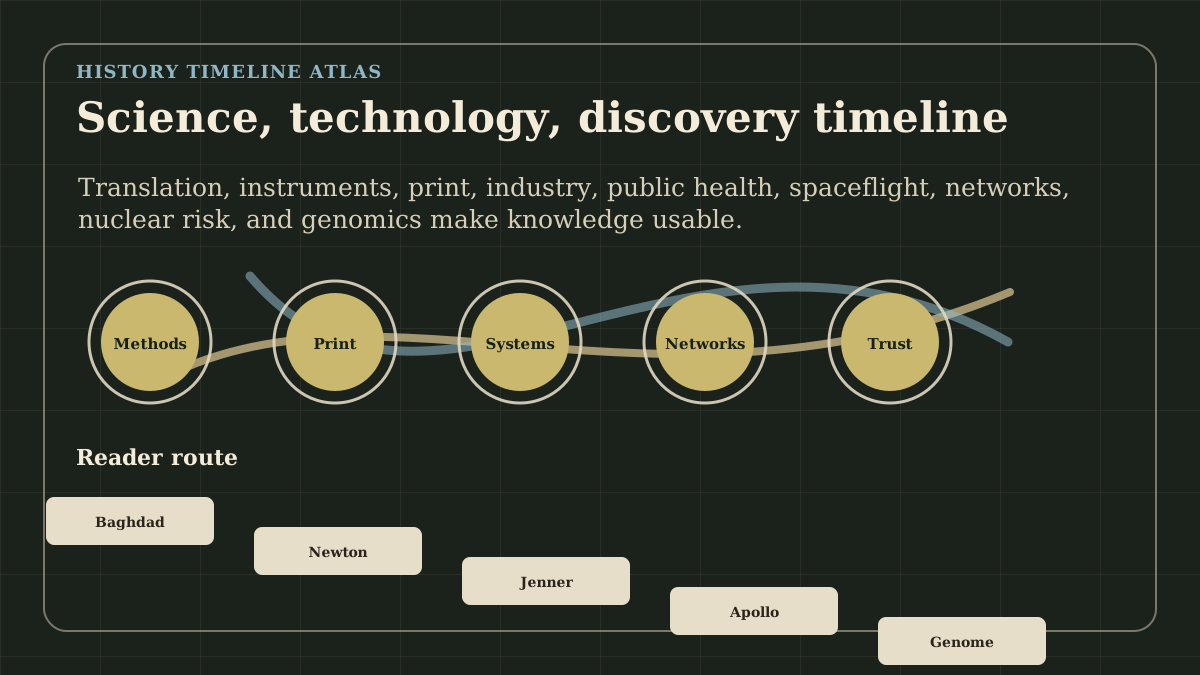
A route through scientific publishing, vaccination, evolution, infrastructure, communication, space technology, computing, and genomics.
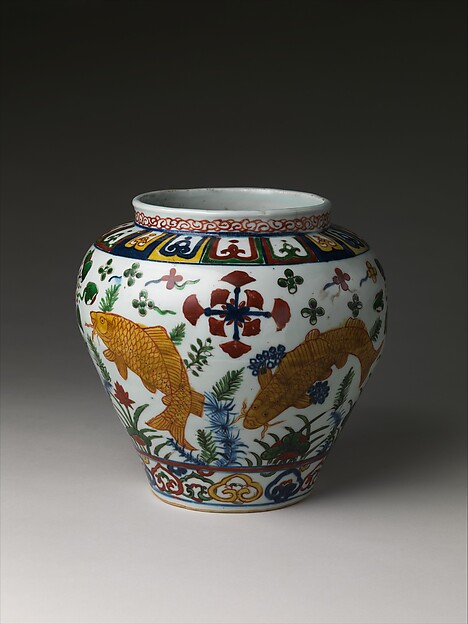
Follow routes, companies, voyages, disease, commerce, and public health across the connected world.
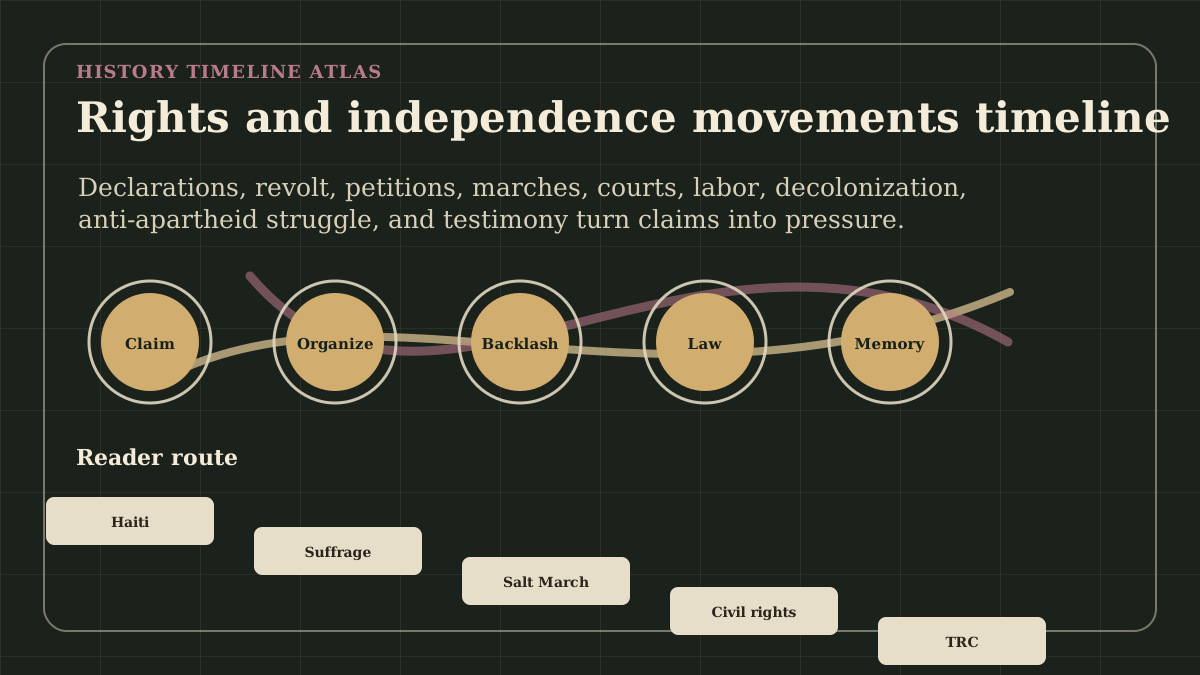
Connect abolition, suffrage, civil disobedience, civil rights, anti-apartheid, labor, democracy, and independence movements.
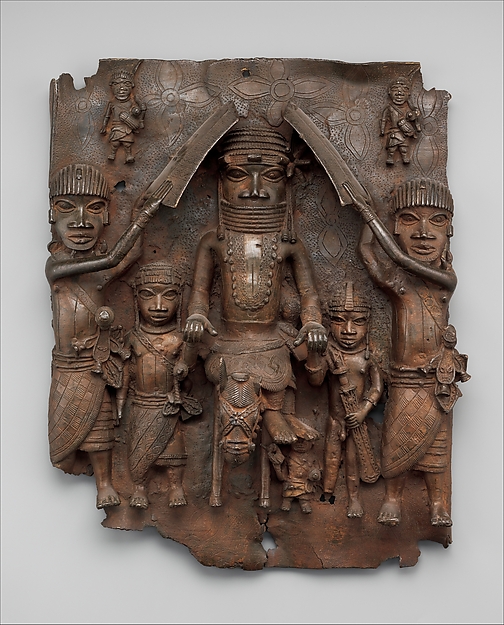
Follow African state formation, trade, religion, Atlantic violence, anti-colonial resistance, Pan-Africanism, and independence from Kush to Ghana and apartheid's end.
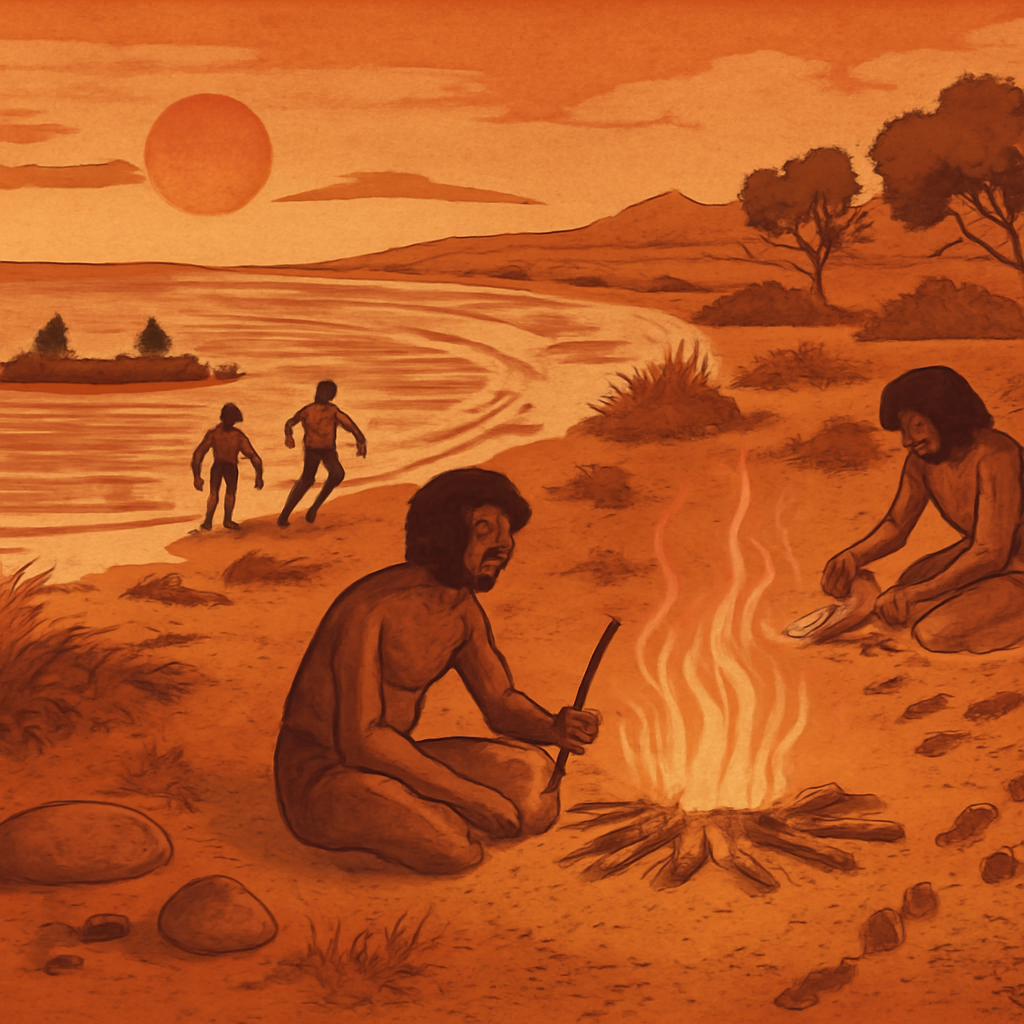
Follow human origins, migrations, farming, Southeast Asian trade, Pacific voyaging, Indigenous settlement, colonial contact, and the Pacific War as one long oceanic and deep-time route.
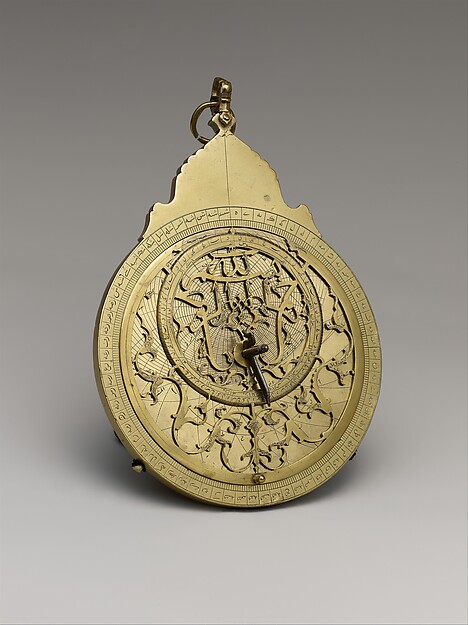
A long route through early Islam, caliphates, Baghdad, Indian Ocean travel, South Asian sultanates, Mughal power, company rule, rebellion, partition, and Bangladesh.
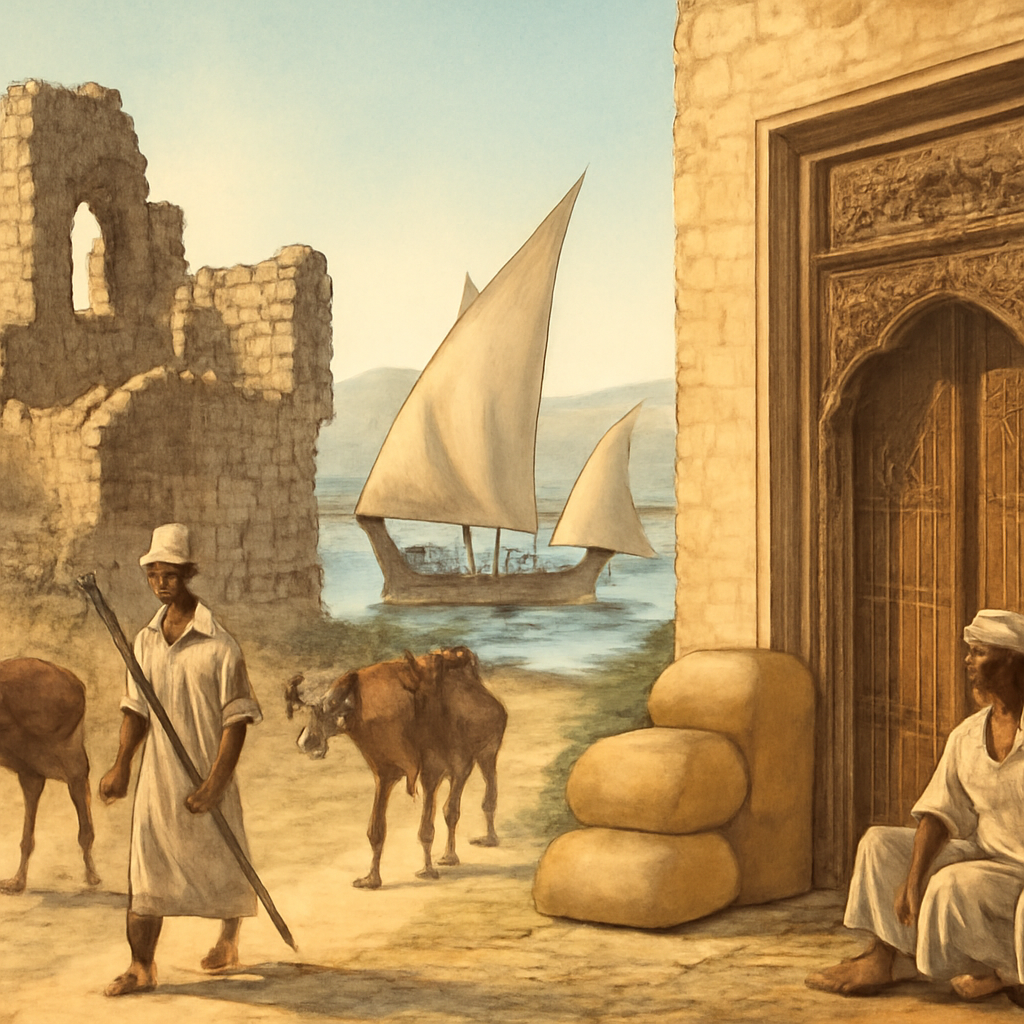
A route through Swahili city-states, Kilwa, Great Zimbabwe, Indian Ocean travel, Portuguese and Omani rivalry, Zanzibar, colonial rule, rebellion, independence, and Tanzanian socialism.
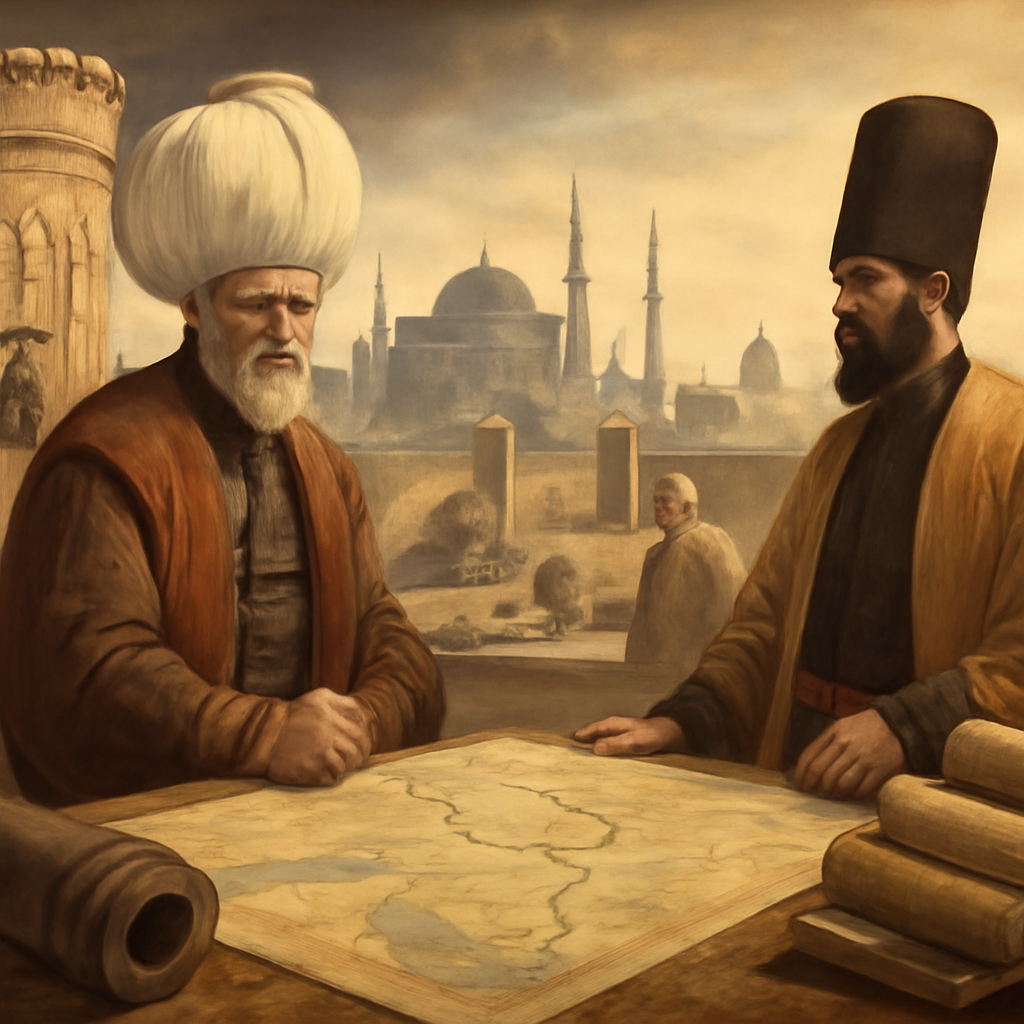
A route from early Islamic and gunpowder imperial rivalry through Ottoman reform, genocide, oil politics, revolution, war, peace processes, and contemporary crisis.
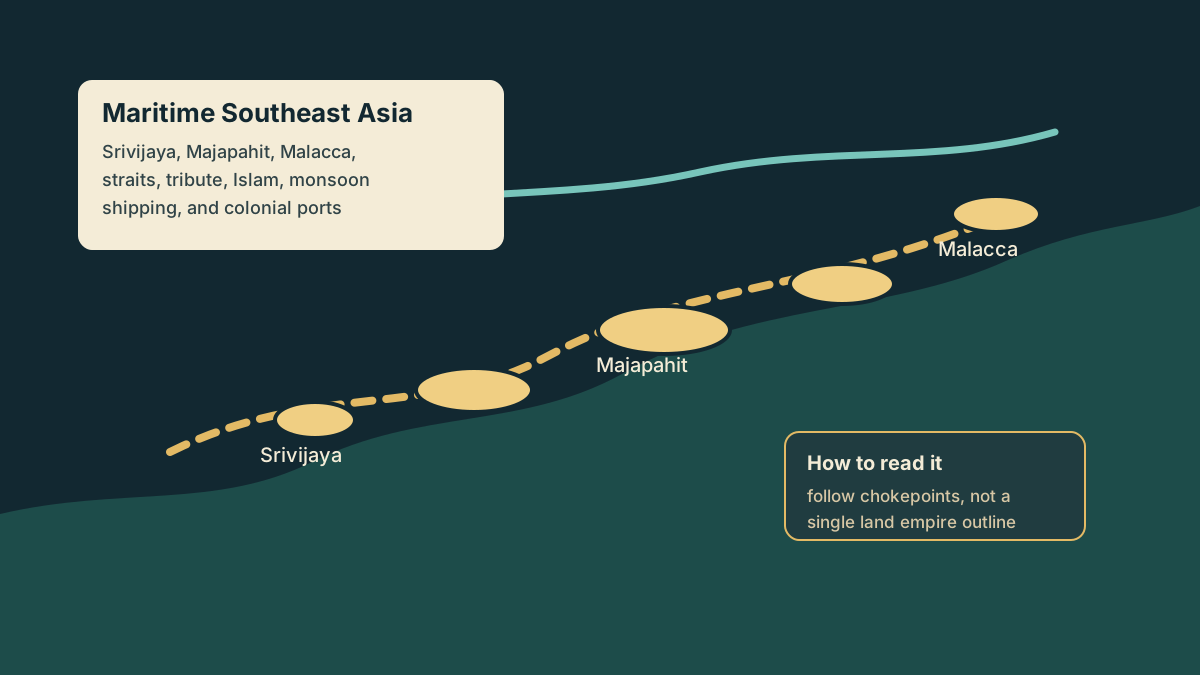
A route through early mainland and island state formation, port-polities, colonial companies, resistance, revolution, independence, Cold War conflict, and ASEAN regionalism.
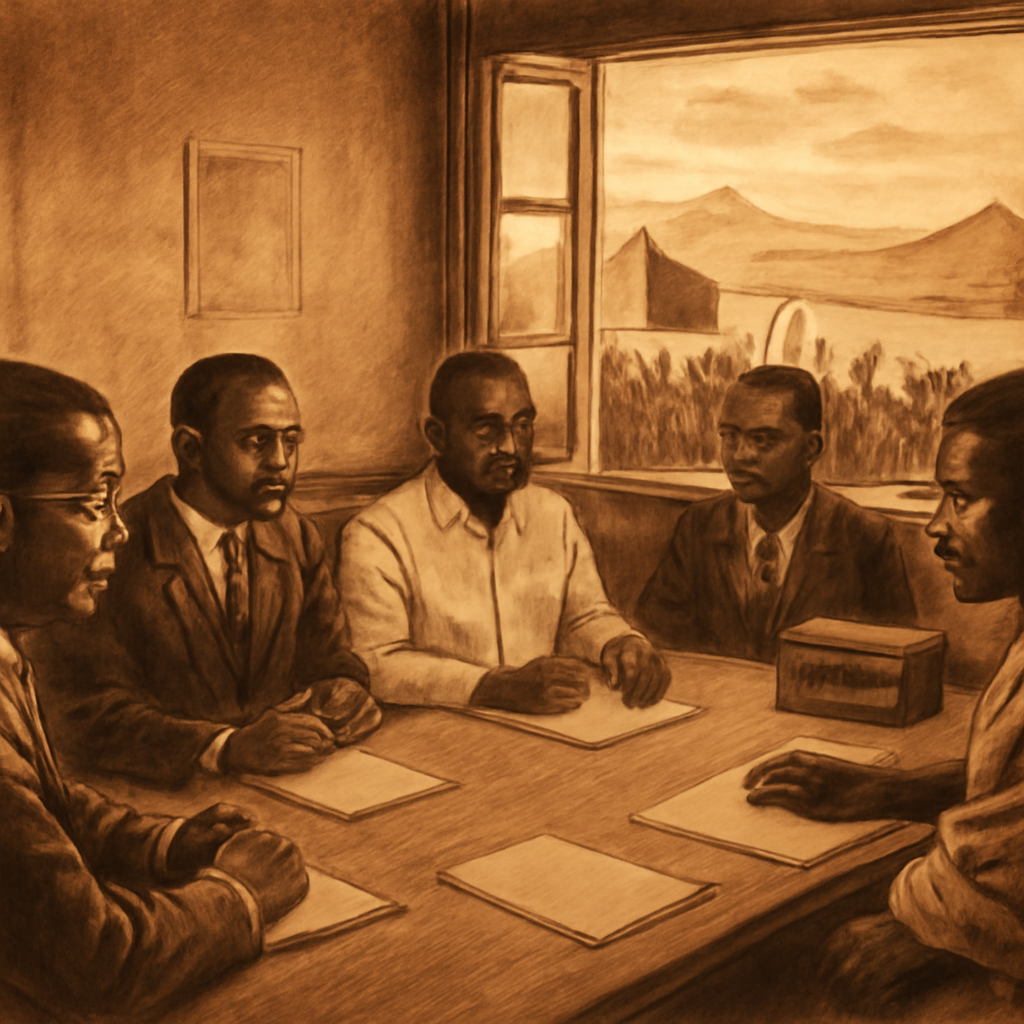
A route through Pan-African organizing, Ghana, Mau Mau, Algeria, Congo, OAU, Biafra, Angola, Soweto, Rwanda, truth commissions, and postcolonial state-building.
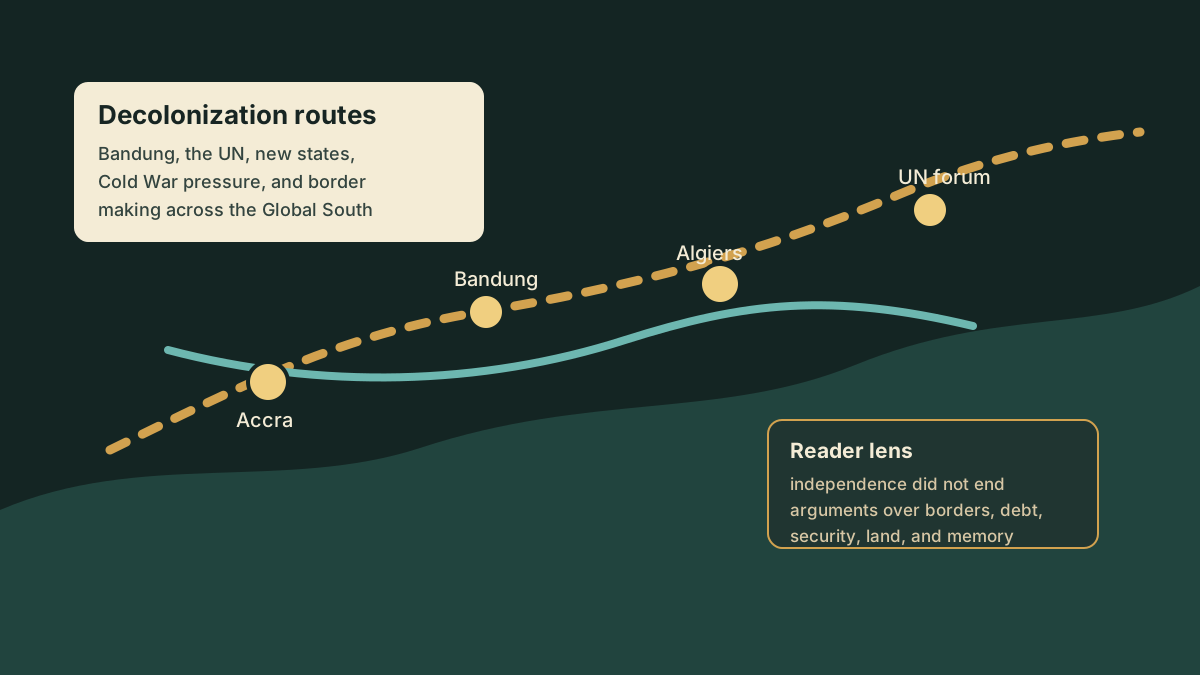
A route through anti-colonial resistance, postwar independence, Bandung, African institutions, civil wars, liberation movements, apartheid, genocide, and transitional justice.
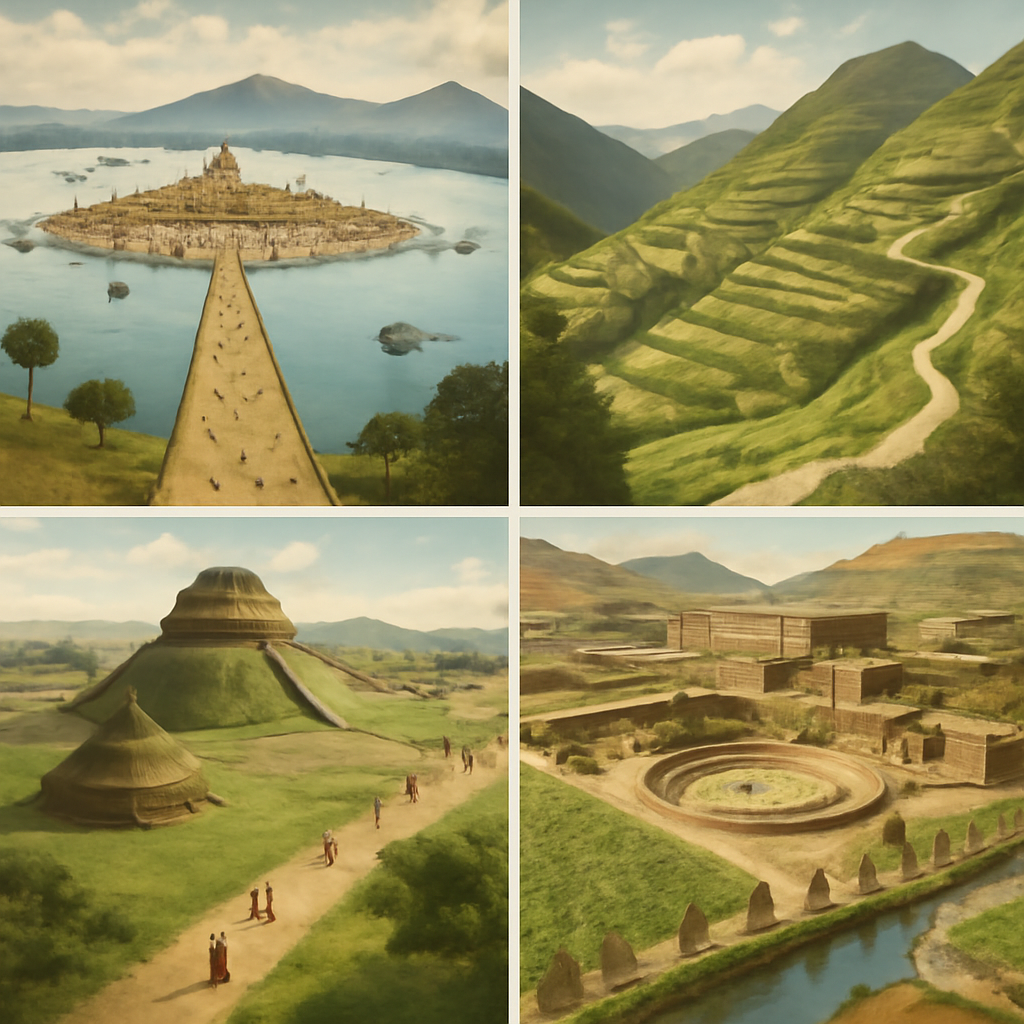
A route through Olmec, Chavin, Zapotec, Nazca, Teotihuacan, Maya, Tiwanaku, Cahokia, Chaco, Aztec, Inca, conquest, Pueblo resistance, and Indigenous rights.
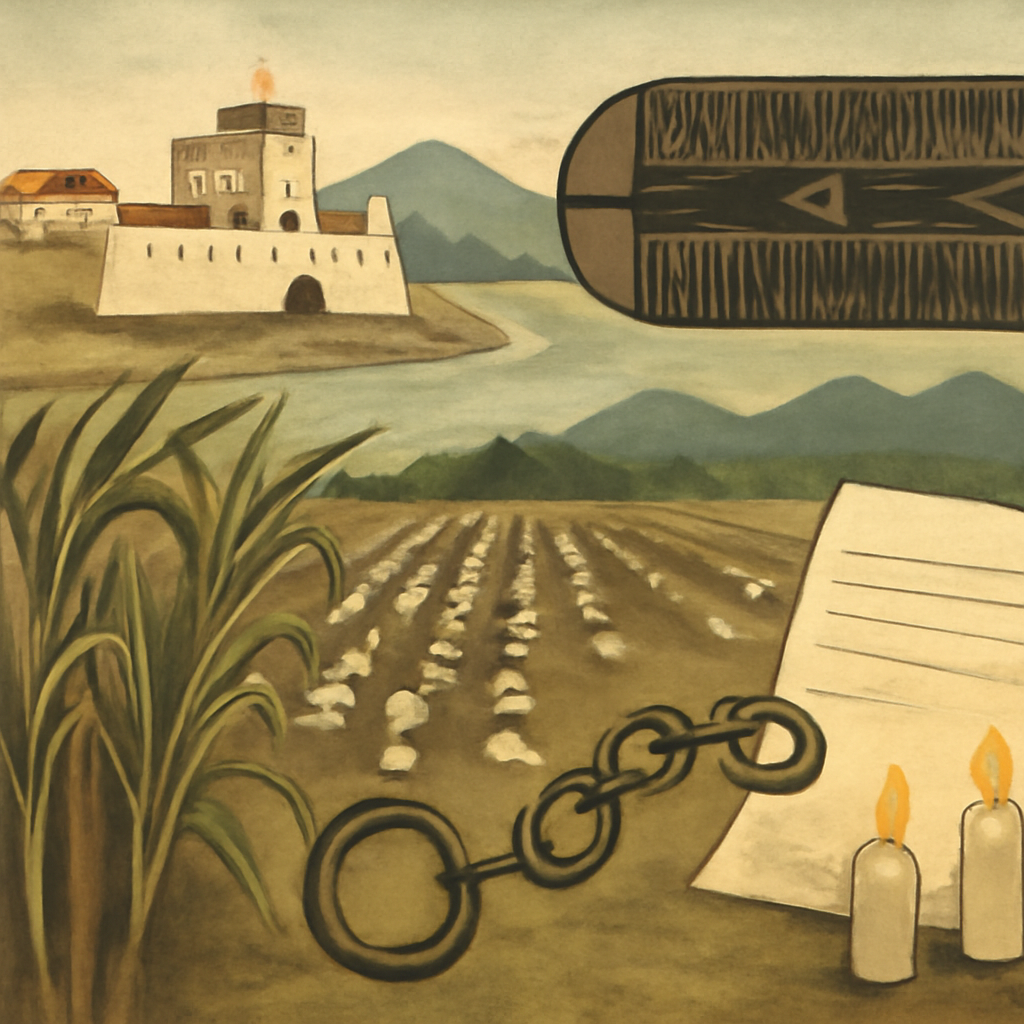
A route through Atlantic forts, forced migration, resistance, legal cases, Haiti, abolition laws, emancipation, Brazil, and international anti-slavery law.
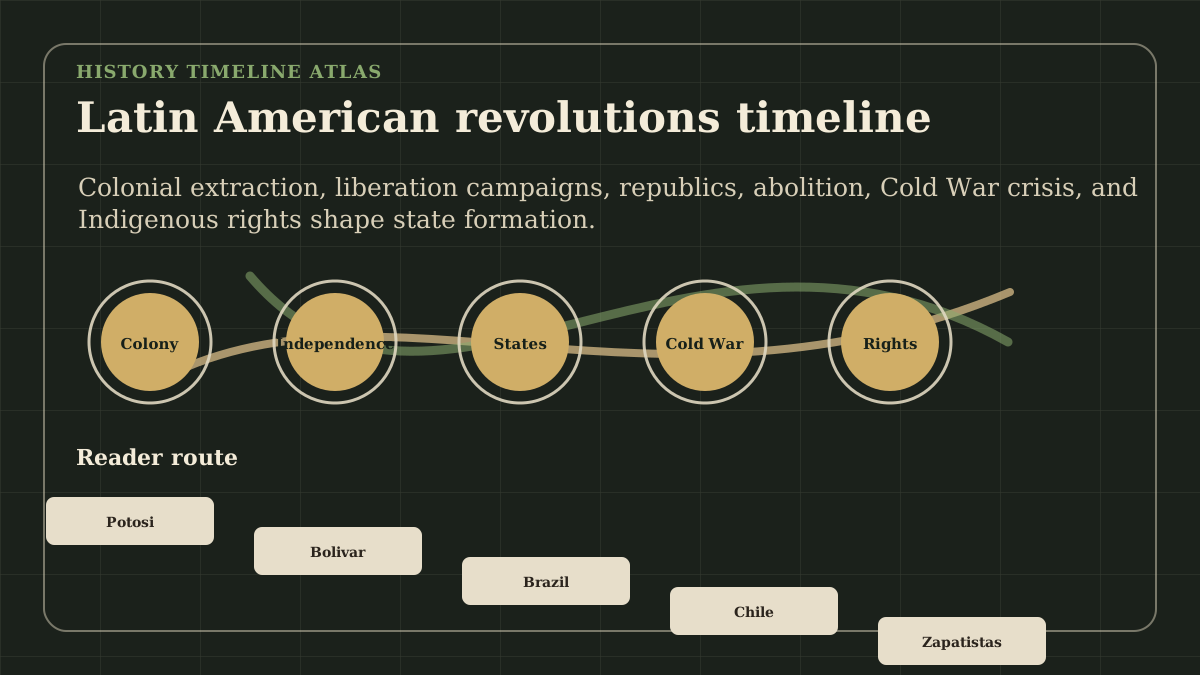
A route through conquest, silver, independence wars, new republics, abolition, regional wars, revolution, Cold War coups, democracy, trade, and Indigenous rights.
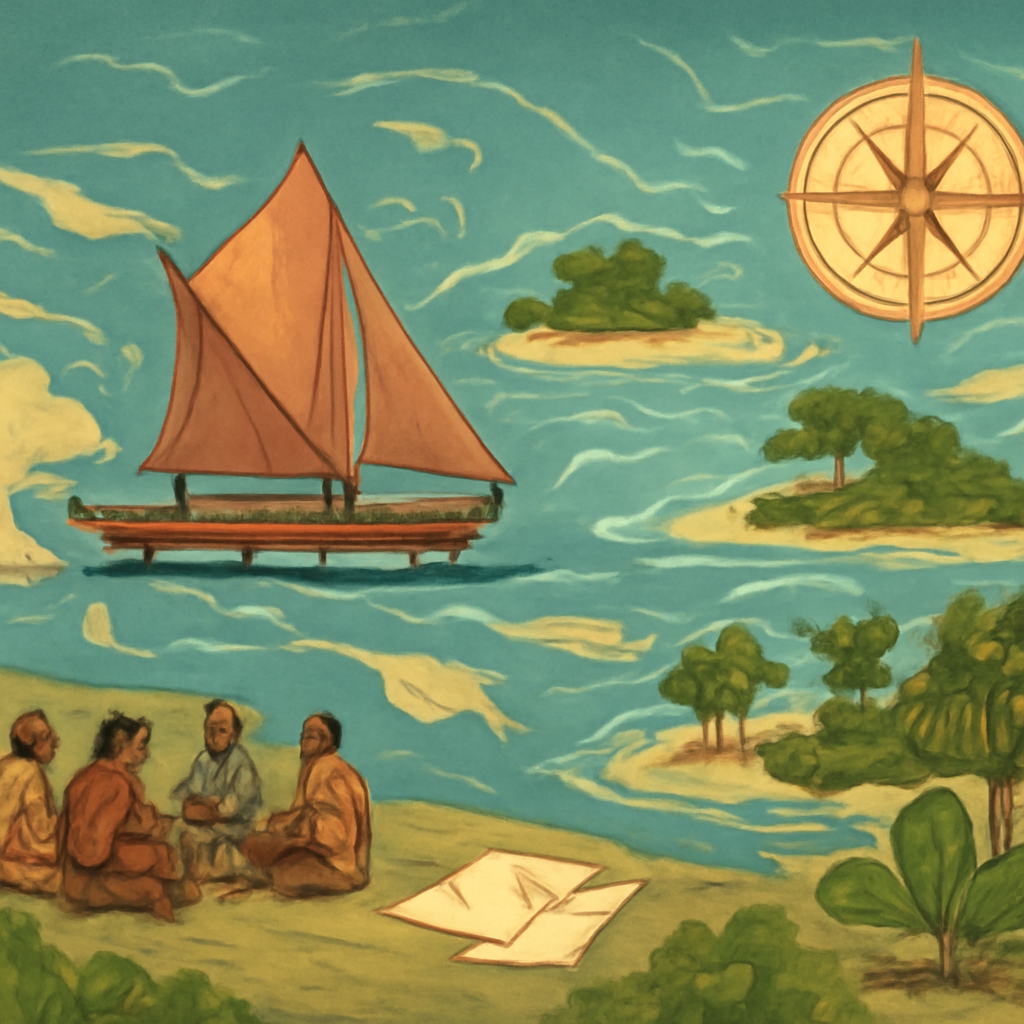
A route through Polynesian settlement, Pacific chiefdoms, Rapa Nui, Australia, Hawaii, Waitangi, Maori politics, nuclear testing, decolonization, and climate diplomacy.
A route through Sui reunification, Tang and Song state formation, Japan and Korea, Mongol and Ming transitions, Qing conquest, treaty ports, war, revolution, reform, and Hong Kong.
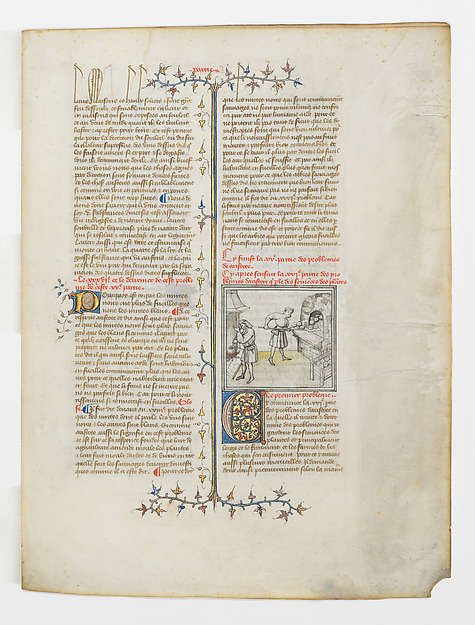
A cross-regional route through late antique religion, Islamic expansion, imperial courts, African and Asian trade states, charters, conquest, plague, and early modern religious conflict.
A long route from Atlantic crossings and Indian Ocean pressure to slavery, conquest, chartered companies, imperial infrastructure, anti-colonial resistance, and late imperial handovers.