Historical Role
Alexander's page begins most usefully with inheritance before conquest. Philip II had already transformed Macedon through army reform, diplomacy, hostage politics, aristocratic management, and intervention in Greek affairs. Alexander inherited that machinery, then drove it beyond the scale Philip had planned.
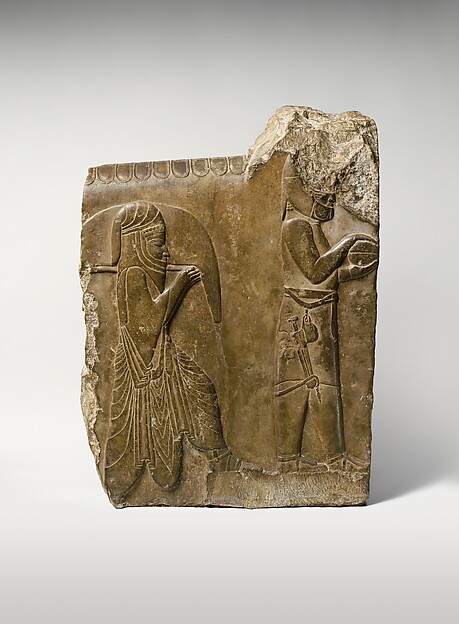
Gaugamela gives the biography its military pivot, but the larger story is imperial transfer. Alexander defeated Darius III and took over parts of the Achaemenid imperial world: roads, treasuries, capitals, satrapies, court ceremony, and claims to universal rule. Conquest did not create power from empty space; it seized and adapted a working imperial geography.
The Hellenistic afterlife makes Alexander more than a battlefield commander. Greek-speaking cities, royal courts, coinage, military colonies, philosophical schools, Egyptian kingship, Near Eastern administration, and Central Asian marriage diplomacy all became part of the world his campaigns opened. The empire fragmented after his death, but the cultural and political consequences did not vanish with the map.
A careful biography also marks violence and instability. Sieges, massacres, forced movement, elite executions, mutinies, and succession war sit behind the romance of speed and genius. Alexander's charisma could hold an army in motion, but it did not solve the institutional problem of how such a vast conquest would be governed after one king died.
The most useful reader path treats Alexander as a comparison point for empire. Persia shows durable administration before him; Rome shows a later Mediterranean imperial system; Maurya and Han show other ways to bind large territories. Alexander's importance lies in the shock of conquest and the mixed inheritance that followed.
Cities and garrisons make that inheritance visible. Alexandria in Egypt is the famous example, but the wider pattern included settlements, veterans, local elites, new coinage, Greek administrative language, and court cultures that outlived the single army that created them. The biography becomes clearer when readers see conquest turning into institutions, marriages, disputes, and successor kingdoms.
Alexander the Great helps connect individual action with wider historical change in Macedon. The biography works best when it keeps the surrounding world visible: authority, conflict, belief, reform, or discovery moved through decisions made under pressure.
The related events show how roles such as Macedonian king, Conqueror can be read through dates, places, institutions, and consequences rather than through reputation alone. The biography explains why this person matters, while the linked events explain what changed around them.
A richer reading starts with the limits around the person. Some figures acted through offices, armies, courts, laboratories, churches, parties, ships, trade networks, or protest movements; others became important because later communities turned their lives into symbols. The page therefore asks what this person could actually change, what was already moving before them, and which consequences later readers attached to the name.
Read the biography against absence as well. Many lives around Alexander the Great are less visible in the record: opponents, collaborators, family members, workers, soldiers, students, subjects, victims, translators, scribes, or local communities. Keeping those surrounding people in view makes the page less like a name card and more like an entry point into historical systems.
Alexander the Great also works as a navigation point. Open the linked event pages to see where the biography becomes chronology, then use the topic routes to test whether the same pattern appears beyond one life. That extra step matters because historical importance is rarely contained inside a single decision; it usually spreads through institutions, witnesses, opponents, imitators, and later arguments over memory.
Sources and Method
Source trail: read Alexander through Gaugamela, Britannica, Achaemenid Persia, Greek city-states, and Hellenistic routes. The page separates campaign narrative from the harder questions of administration, succession, cultural exchange, and violence.
Why This Person Matters
Alexander the Great matters because the connected events make a larger historical pattern easier to follow. The page links biography to consequences so readers can move from a life story into the wider atlas, compare the person with contemporaries, and understand why later memory kept returning to this figure. Alexander the Great matters because his campaigns turned a Macedonian monarchy into a force that broke the Achaemenid Empire and reshaped Afro-Eurasian political geography. The biography helps readers connect battle, imperial inheritance, cultural exchange, and the fragility of rule built too quickly around one person.
What did Alexander actually create: an empire, a military passage through older empires, or the conditions for a new Hellenistic world after his death?
How to Read This Life
Alexander the Great is easiest to understand when the biography is read beside Battle of Gaugamela. Those events show the historical setting in motion: dates, places, institutions, conflict, and consequences give the life a structure that a short biography alone cannot provide.
The surrounding route crosses Classical Antiquity and locations such as Gaugamela. That matters because influence rarely stays inside one person. It moves through offices, armies, movements, laws, texts, speeches, institutions, and later memory.
A useful reading path starts with the role labels, then opens the event pages to see what changed, and finally compares this person with other actors facing similar pressures.
For readers who arrive on a biography first, this page is meant to become a doorway rather than a stop. Read one paragraph for the answer, then use the turning points, topic routes, and event links to test whether the person's reputation matches the wider evidence.
Read Alexander beside the Battle of Gaugamela, Achaemenid Persia, Greek city-states, Maurya, Rome, and Hellenistic-world routes. The sequence keeps conquest tied to the systems it captured and the successor states it produced.
Then compare him with Cyrus, Qin Shi Huang, Caesar, and Ashoka where available. The comparison asks when conquest becomes administration, memory, law, or moral transformation.
Read Alexander the Great through the roles of Macedonian king, Conqueror rather than as reputation alone.
Place the biography inside Macedon and the wider events linked below.
Ask which choices were personal and which were constrained by institutions or crisis.
Follow how later memory simplified, contested, or reused this person's role.
Look for Macedonian reforms and Achaemenid institutions before calling the conquest sudden.
Ask why military brilliance did not produce a stable political settlement after Alexander died.
Follow Greek, Egyptian, Persian, Central Asian, and Indian settings as interacting worlds rather than a single cultural spread.
Legacy, Limits, and Memory
A useful biography keeps scale in view. Alexander the Great mattered because individual choices met a wider structure: institutions, enemies, allies, audiences, technologies, beliefs, and inherited conflicts. The related event pages help separate personal agency from conditions that no single person controlled.
Memory is part of the biography too. Later readers often simplify a figure into a hero, villain, founder, reformer, conqueror, prophet, scientist, or symbol. Those labels can be helpful, but they become misleading when they hide conflict, compromise, exclusion, uncertainty, or the experiences of people outside the main biography.
For the next step, compare this life with a topic route rather than stopping at the name. If the same pattern appears across several figures, the reader has found a historical structure; if this person breaks the pattern, the contrast is usually where the most interesting question begins.
The biggest risk is the great-man shortcut. Alexander's decisions mattered, but Macedonian army reform, Persian infrastructure, Greek political divisions, local elites, and successor generals made the outcome historical rather than purely personal.
Another risk is treating Hellenization as a one-way spread of Greek culture. The more accurate reading follows exchange, adaptation, hierarchy, resistance, and local survival across many regions.
Turning Points to Read Next
Battle of Gaugamela
Alexander the Great defeated Darius III at Gaugamela, breaking Persian imperial power and opening the way to Macedonian control over the empire.
Related Timeline
- 331 BCEBattle of Gaugamela
Alexander the Great defeated Darius III at Gaugamela, breaking Persian imperial power and opening the way to Macedonian control over the empire.
References
Where to Check the Facts
- Encyclopaedia Britannica: Alexander the GreatBiographical reference for Alexander the Great's life dates, roles, institutions, and historical setting.
- Encyclopaedia BritannicaBackground reference for chronology, names, and historical context.
- WikidataStructured reference for dates, places, alternate names, and entity links.