At a Glance
The shape of the event
- Date
- November 11, 1918
- Place
- Compiegne
- Type
- Armistice
Germany signed an armistice with the Allies, ending the fighting on the Western Front after four years of industrialized warfare.
November 11, 1918; place the event in Compiegne before comparing causes or consequences.
The armistice ended battlefield fighting while opening disputes over responsibility, reparations, borders, and the meaning of victory.
Ferdinand Foch / Matthias Erzberger are the first names or groups to compare before widening the story.
Combat stopped, but the political settlement remained unresolved until the peace negotiations that followed.
Combat stopped, but the political settlement remained unresolved until the peace negotiations that followed.
The armistice ended battlefield fighting while opening disputes over responsibility, reparations, borders, and the meaning of victory.
The armistice ended the shooting but not the crisis.
Background
Four years of industrialized warfare had exhausted armies, economies and societies across Europe. The Western Front had become a test of sustained material capacity as much as battlefield skill: coal, food, munitions and manpower all shaped the limits of action. By late 1918 those material limits intersected with political strains inside nations and diplomatic isolation for defeated governments. Military setbacks, weariness among troops and the strain on civilian populations gave urgency to negotiations: not a single cause, but a cluster of pressures, pushed leaders toward an accommodation. Into that pressure-cooker stepped the diplomatic machinery of the Allies and the delegation from Germany.
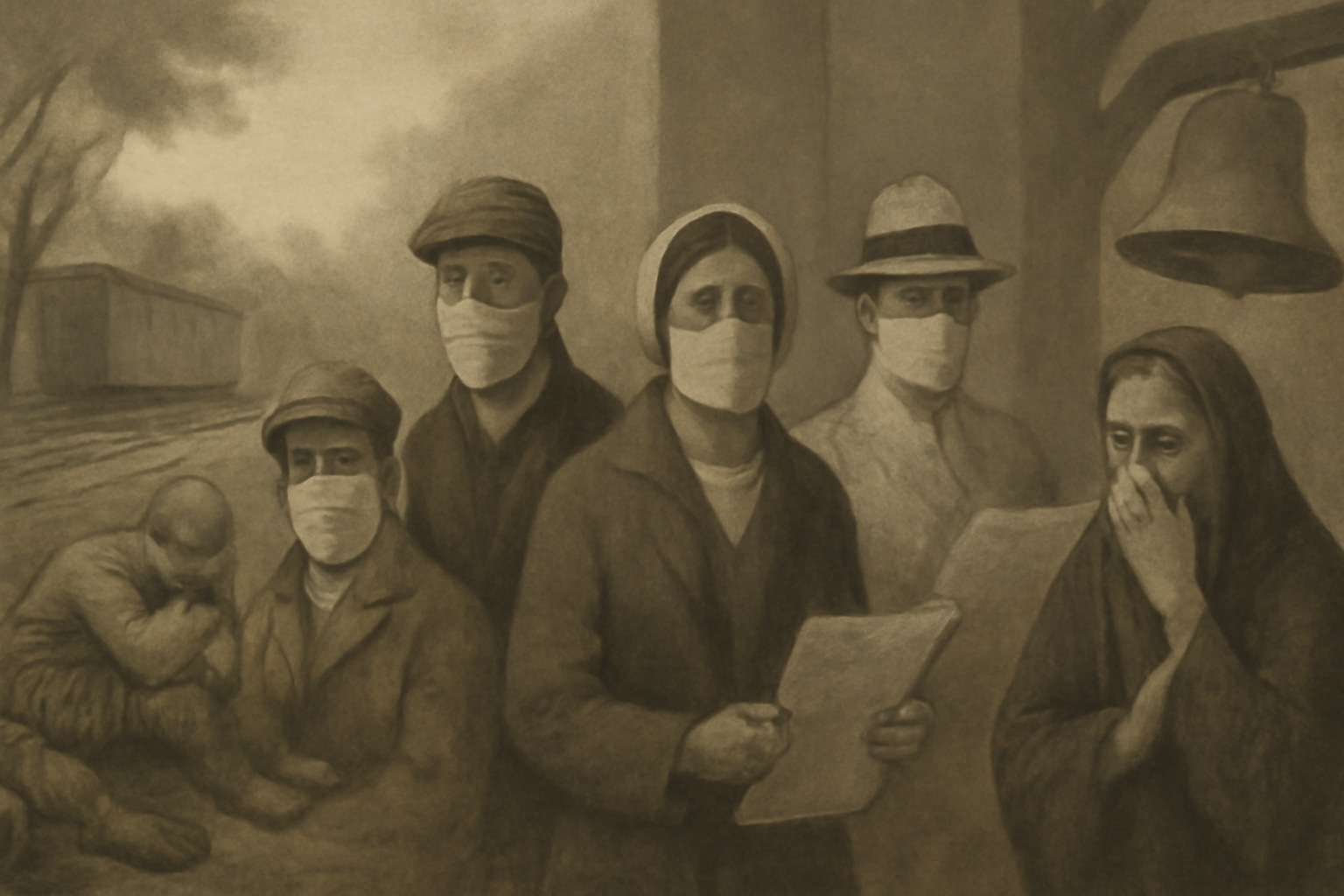
The armistice was not a sudden miracle; it was the product of military exhaustion, strategic reversals and political calculation. Yet it was also a negotiated instrument—a pause imposed and accepted at a particular time and place—whose language and enforcement would shape the contours of the postwar order. The home front belongs in the explanation too. Food shortages, wartime censorship, influenza, strikes, bereavement, debt, and the return of disabled soldiers shaped how civilians understood the end of fighting. The armistice was signed by officials, but it was interpreted by families waiting at railway stations, nurses in crowded wards, workers facing demobilization, and governments trying to prevent unrest.
The Armistice of 1918 ended fighting on the Western Front, but it did not settle the war's meaning. Exhausted armies, revolution in Germany, Allied pressure, blockade, civilian suffering, and political collapse all shaped the agreement. The event is powerful because relief and uncertainty arrived together. Soldiers stopped firing, families mourned, empires had fallen, borders were unresolved, and diplomats still had to turn military defeat into peace terms.
The Turning Point
What changed on 11 November was both practical and symbolic. Combat operations that had ground on with attrition and periodic offensives were ordered to cease: the immediate arithmetic of casualties, trench lines and artillery barrages stopped shaping daily life on the Western Front. The concrete moment of signature in Compiègne crystallised that change. Allies were represented by Marshal Ferdinand Foch, whose authority as the Allied commander made him central to enforcing and explaining the terms. The German delegation, including Matthias Erzberger, carried the authority to accept those terms at home. Their choices were neither inevitable nor purely mechanical: German leaders judged that continued fighting would not produce a better outcome; Allied leaders insisted on conditions that would stop hostilities quickly.
The armistice thus reflects an intersection of agency and structure: individual negotiators made binding choices in response to strategic realities. The result was an abrupt end to active fighting on the Western Front while leaving the deeper diplomatic settlement to the conferences and negotiations that followed. Timing gave the day its force. The eleventh hour did not erase the months of bargaining, military collapse, and political fear that preceded it, but it gave millions of people a shared timestamp for transition. Orders moved through command structures, guns stopped, and soldiers who had lived by bombardment suddenly entered a different kind of uncertainty.
Consequences
In the immediate aftermath, the most obvious consequence was the cessation of battlefield killing on the Western Front. Soldiers who had endured years of front-line rotation, bombardment and counterattack found themselves confronted by silence and the logistical tasks of demobilisation, recovery and return. But the armistice also produced political consequences that unfolded over months and years. It postponed a final settlement rather than delivering one: the armistice’s terms and the fact of German acceptance raised urgent questions about culpability, compensation and territorial rearrangement that could only be addressed in later peace negotiations.
Those unresolved questions—who bore responsibility for the war, what reparations would be required, where borders should be drawn, and what victory would mean in political and moral terms—became focal points for diplomatic conflict and domestic politics. Historians continue to debate how much the armistice reflected irreversible collapse versus tactical decision-making by leaders; either way, the signing at Compiègne redirected the conflict from trenches to conference tables, with consequences that shaped the fragile postwar order. The armistice also created a memory problem. Victory celebrations, mourning rituals, veterans memories, German arguments about defeat, and Allied expectations of justice all began before Versailles was signed.
Those competing memories shaped how the peace settlement would be received and how later movements would explain what had been lost or betrayed. The consequences included demobilization, occupation, the Paris Peace Conference, Versailles, memory rituals, and arguments over defeat that later became politically explosive. The armistice matters because silence on the battlefield opened a louder struggle over peace.
Interpretation Notes
Armistice of 1918 can look simple when reduced to one date, but the evidence usually points to a wider setting. The useful debate is which part mattered most: leadership, logistics, belief, social pressure, or the institutions that survived afterward.
Why Keep Reading
The armistice ended the shooting but not the crisis. Follow the next chapters to see how negotiators turned military cessation into formal peace, how claims for reparations and territorial settlement were argued, and how societies coped with demobilisation and political upheaval. Reading the subsequent timelines of peace conferences and domestic political change reveals how the choices made in November 1918 set the parameters for the immediate postwar years—and why debates begun then continued to reverberate across the twentieth century. Follow the page into Versailles, influenza, Wilsonian language, revolution in central Europe, and memorial culture. The route shows why the end of shooting was also the beginning of disputes over grief, guilt, borders, and public memory.
Continue to Versailles, 1919, League of Nations, interwar Europe, and World War II routes.
Reading Path
Follow the story without losing the thread
Before This
- Spanish Flu Pandemic1918-1919
- Russian Revolution1917 CE
- Zimmermann TelegramJanuary 1917
After This
- Treaty of VersaillesJune 28, 1919
- League of Nations FoundedJanuary 10, 1920
- Munich AgreementSeptember 1938
Same Period
- First Battle of the MarneSeptember 1914
- Gallipoli Campaign1915-1916
- Battle of VerdunFebruary-December 1916
Wider Timeline
Mind Map
How to think about Armistice of 1918
Military exhaustion
Sustained industrialized warfare depleted manpower and materiel, creating urgency for a halt to fighting.
Map Layer
Where this event sits geographically
Gold pins mark the approximate locations of published event pages. This is a schematic locator map, not a historical border map.
Coordinates are approximate and are used to help readers orient themselves before opening a full event page.
References
Where to Check the Facts
- National WWI Museum and Memorial: All About WWIMuseum reference hub for World War I chronology, maps, articles, and educational context.
- U.S. National Archives: World War I CentennialArchive reference hub for World War I records, photographs, documents, and educational resources.
- United Nations: History of the United NationsOfficial institutional reference for United Nations founding, charter drafting, and postwar aims.