At a Glance
The shape of the event
- Date
- 1511 CE
- Place
- Malacca
- Type
- Port conquest
Portuguese forces captured Malacca, a major Malay entrepot, placing European military power inside one of the key choke points of Asian maritime trade.
1511 CE; place the event in Malacca before comparing causes or consequences.
The event connects Southeast Asian port politics to Portuguese armed trade and the wider shift in early modern oceanic power.
Afonso de Albuquerque / Mahmud Shah are the first names or groups to compare before widening the story.
The Malacca sultanate lost its capital, while Portuguese power gained a strategic port on the route between the Indian Ocean and South China Sea.
The Malacca sultanate lost its capital, while Portuguese power gained a strategic port on the route between the Indian Ocean and South China Sea.
The event connects Southeast Asian port politics to Portuguese armed trade and the wider shift in early modern oceanic power.
Follow the aftershocks to see how a single port influenced wider maritime history.
Background
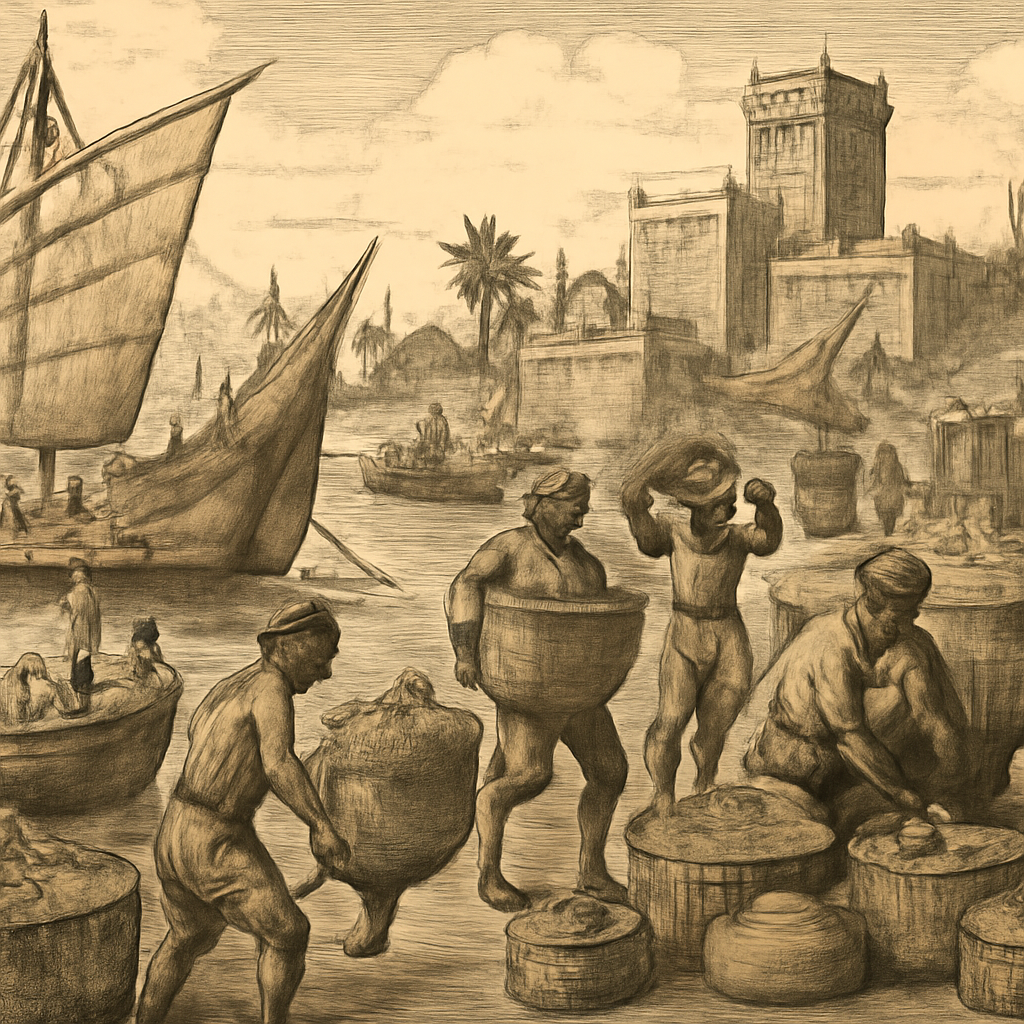
Malacca sat at a geographic hinge: narrow seas linking the Indian Ocean with the South China Sea, where Malay, Arab, Indian, Chinese and other merchants converged. By the early sixteenth century it had developed as an entrepot — a place where goods were trans-shipped, credit arrangements were negotiated, and diplomatic ties were maintained. Those functions depended on a mix of local authority, commercial networks, and seasonal navigation. Into this layered system arrived a new European actor, the Portuguese Empire, pursuing armed trade as a project of state power in the Indian Ocean. Afonso de Albuquerque, one of the Portuguese commanders, carried instructions and ambition to secure bases that would let oceanic force back up commercial aims.
At the same time, the Malacca sultanate under Mahmud Shah presided over a polity whose capital concentrated political and economic legitimacy. The scene was not static: competing ports, shifting alliances, and the growing willingness of some European commanders to combine cannon, ships and garrisoned ports were pressuring existing arrangements. These pressures help explain why a Portuguese assault on a trading city could have such outsized consequences. The fall of Malacca to the Portuguese was not only a European breakthrough. It was a violent disruption of a port city that had organized Malay politics, Islamic networks, Chinese diplomatic memory, and Indian Ocean trade through the narrow strait.
The conquest shows how cannon, ships, fortification, local rivalries, and commercial ambition could be joined. Portuguese control aimed to tax and redirect trade, but Asian merchants and rulers adapted by moving routes, building new ports, and resisting monopoly claims.
The Turning Point
What changed in 1511 was not merely a transfer of walls and wharves; it was a decisive insertion of European armed power into the mechanics of Asian maritime exchange. Portuguese forces under Afonso de Albuquerque mounted an operation that resulted in the capture of Malacca, and with that act the Portuguese crown acquired direct control of a vital port. For Mahmud Shah and his court the loss meant the sultanate had been stripped of its capital, with immediate effects on authority and the administration of trade that had once flowed through the city.
The Portuguese choice to seize and hold a key entrepot represented a different logic from earlier, largely mercantile interactions: rather than relying on seasonal visits or trading partnerships alone, the Portuguese used permanent presence and military capability to secure access and influence. The capture interrupted established networks — it constrained how merchants could navigate rights, tariffs and protections, and demonstrated a willingness to reshape regional patterns by armed occupation. In short, the turning point was the operational decision to anchor European military force at a chokepoint in Asian waters, transforming a commercial hub into a strategic asset of an expanding overseas empire.
Consequences
In the near term, the most visible consequence was political and geographic: the Malacca sultanate lost its capital, while the Portuguese gained a strategic harbor on the route between the Indian Ocean and the South China Sea. That shift altered who controlled access and what kinds of authority regulated maritime traffic. For local and long-distance merchants the change introduced new certainties and new frictions — a different authority now determined tariffs, security arrangements and the presence of foreign garrisons. Over the longer term, the fall of Malacca helped connect Southeast Asian port politics to Portuguese patterns of armed trade and contributed to broader changes in early modern oceanic power.
It is one node in a larger story of how coastal fortifications, naval patrols and colonial bases gradually reshaped trade routes, diplomatic networks and the balance among regional states. The event also entered later memories and state-building narratives: subsequent rulers, diasporic merchant communities, and colonial administrations would all recall or repurpose the fall of Malacca in different ways. Reading the capture as both immediate action and a sign of deeper change helps keep sight of the communities affected and the ways the event was remembered and used in years that followed. The consequences included Portuguese fortress rule, shifts in Malay political centers, wider conflict in the strait, and a new phase of European armed presence in Asian trade.
Malacca's fall matters because it changed routes without ending Asian maritime agency.
Interpretation Notes
Malacca Falls to the Portuguese is easy to flatten into one dramatic date. A stronger reading separates immediate action from deeper causes, affected communities, and the memory later states or movements built around the event.
Why Keep Reading
Follow the aftershocks to see how a single port influenced wider maritime history. Trace where Mahmud Shah and his followers went next, how merchant networks adapted, and how the Portuguese used Malacca as a base for further operations across the Indian Ocean. Comparing the fall of Malacca with other early modern port conquests clarifies what was novel — permanent European military presence inside Asian choke points — and what remained continuous — the resilience of regional trade and diplomatic bargaining. Maps, timelines and first-hand travelers’ accounts will show the practical consequences for navigation, taxation and everyday commerce, and will reveal how a localized event rippled through a seaborne world.
Read this event with the rise of Malacca, Portuguese Indian Ocean voyages, VOC, Islam in Southeast Asia, and maritime trade routes.
Reading Path
Follow the story without losing the thread
Before This
After This
Same Period
Wider Timeline
Mind Map
How to think about Malacca Falls to the Portuguese
strategic location
Malacca occupied the sea lane between the Indian Ocean and the South China Sea, making it a choke point for regional trade.
Map Layer
Where this event sits geographically
Gold pins mark the approximate locations of published event pages. This is a schematic locator map, not a historical border map.
Coordinates are approximate and are used to help readers orient themselves before opening a full event page.
References
Where to Check the Facts
- Encyclopaedia Britannica: Southeast Asian historyReference for regional chronology, maritime exchange, colonial rule, nationalism, and modern state formation.
- Encyclopaedia Britannica: Sultanate of MalaccaReference for Malacca as a major Malay port-polity and commercial center before Portuguese conquest.
- Official UNESCO World Heritage Centre: AngkorInstitutional reference for the Angkor landscape, Khmer capitals, reservoirs, temples, and regional setting.
- Official ASEAN: About ASEANOfficial institutional reference for ASEAN's 1967 founding and regional-cooperation frame.
- Encyclopaedia Britannica: Afonso de AlbuquerqueReference for Albuquerque's conquest of Melaka and strategic role.